

The Ultimate Reykjavik Travel Guide
Overview
A land of natural wonders, ancient tales of Vikings, fantastic national infrastructure, and famously friendly locals, Reykjavik has been a bucket list trip of mine for years.
My expectations were extremely high when I finally arrived at Keflavík Airport (KEF) in winter of 2026. I’m delighted to report that aside from some quashed dreams of seeing the Northern Lights in all their glory (at least on this trip!), Reykjavik and the whole of Iceland were as remarkable as I’d imagined.
That said, I do feel it’s my duty to be honest that while Iceland is an incredible, wonderful country, it is also very expensive. As someone who travels/lives on a budget regularly in some of the most expensive cities in the world (re: Paris), I was astonished at how impossible it was to find anything at what I considered a ‘low’ price. This was true even in grocery stores. (Though mostly I’m referring to food, I noticed it for clothing and other goods as well).
I don’t say that to discourage anyone from going, but more to give a valid disclaimer for anyone hoping to travel to Reykjavik on a budget. Maybe it can be done, but it certainly wasn’t done by me.
History
The city of Reykjavik was founded in the 9th century by Norse settler Ingólfur Arnarson. Its name means “the Smoky Bay,” in reference to the geothermal steam (which heats buildings and supplies hot water to the entire city).
For 900 years, Reykjavik was made up of several isolated farms, and didn’t become an official town until 1786. In 1798, the Icelandic parliament was relocated to Reykjavik, helping establish Reykjavik as Iceland’s administrative center. Eventually, Reykjavik would grow into the cultural and political heart of Iceland that it is today.
For a more complete, in-depth look at the history of the city, I thought Guide to Iceland’s article was both engaging and informative.
Culture
Icelandic people generally are very proud of their history, heritage, and their country. And they have plenty of reasons to be. The nation is consistently ranked among the happiest in the world and also ranks highly for safety, quality of living, gender equality, and LGBTQ+ rights. People also tend to be friendly and welcoming to strangers, and you’ll find many have a quick wit and sharp tongue once you get to know them (with a dry humor to rival the British).
My favorite part of Icelandic culture is the love of a good story. Many tour guides during my trip told epic tales (perhaps somewhat exaggerated, but delightful nonetheless) about Iceland’s extraordinary history and society today. Listening to a good story or three is also a great way to pass the time on some of the longer bus trips around Iceland.
Language
The official language of Iceland is Icelandic. Additionally, a vast majority of the population speaks English. Danish is also fairly common as it’s taught in schools.
Food + Drink
I have to be honest, within the international food scene, Icelandic cuisine doesn’t tend to be among the favorites. Perhaps it gets such a bad rap for its globally reviled traditional dish, Hákarl (fermented shark), which is in fact one of the foulest foods I’ve ever tasted.
That said, I was surprised to find that Icelandic dishes far exceeded my expectations (rotted shark excepted), and were generally high-quality local ingredients turned into hearty comfort meals that helped cut through the bitter winter cold.
I’m certainly missing a few staples (honorable mentions to skyr and lava bread for their deliciousness, and ice cream for Icelanders’ unseasonal obsession with it), but here are some of the most memorable dishes and drinks to seek out during your time in Reykjavik.
Must‑Try Dishes
Icelandic Lamb
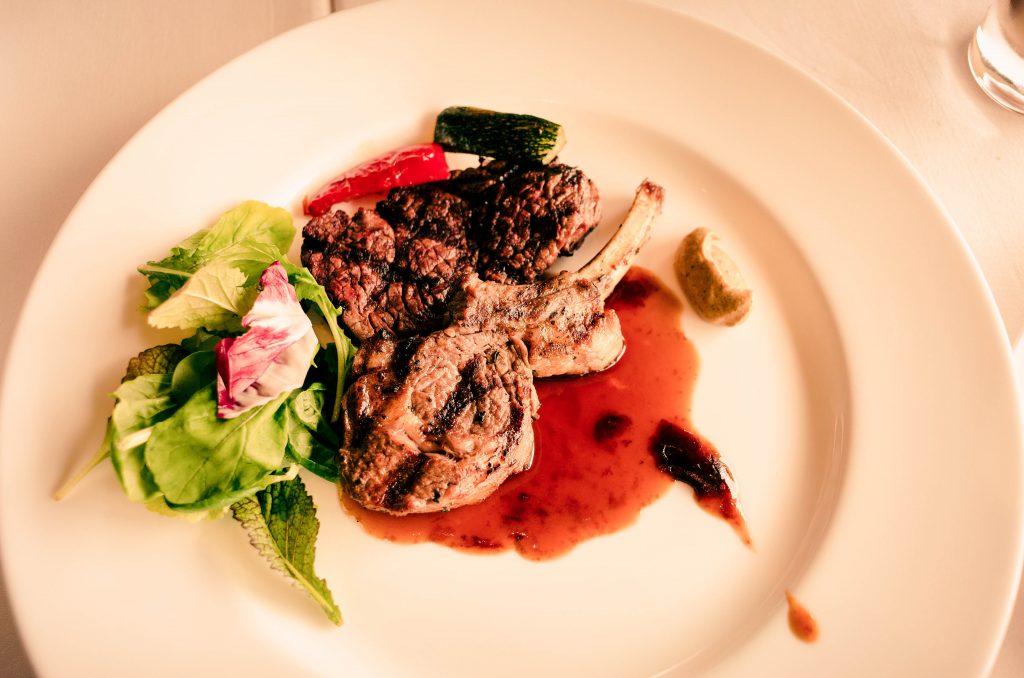
Praised for its tenderness and uniquely delicate flavor and texture, Icelandic lamb is excellent, and it is a popular ingredient in Icelandic cooking.
I personally recommend trying lamb ribeye or lamb shank. If you’re looking for more traditional cuisine, there’s also Kjötsúpa, Icelandic Lamb Soup, which is a lovely, comforting meal to brace yourself against a cold day in Reykjavik.
Fish and Chips
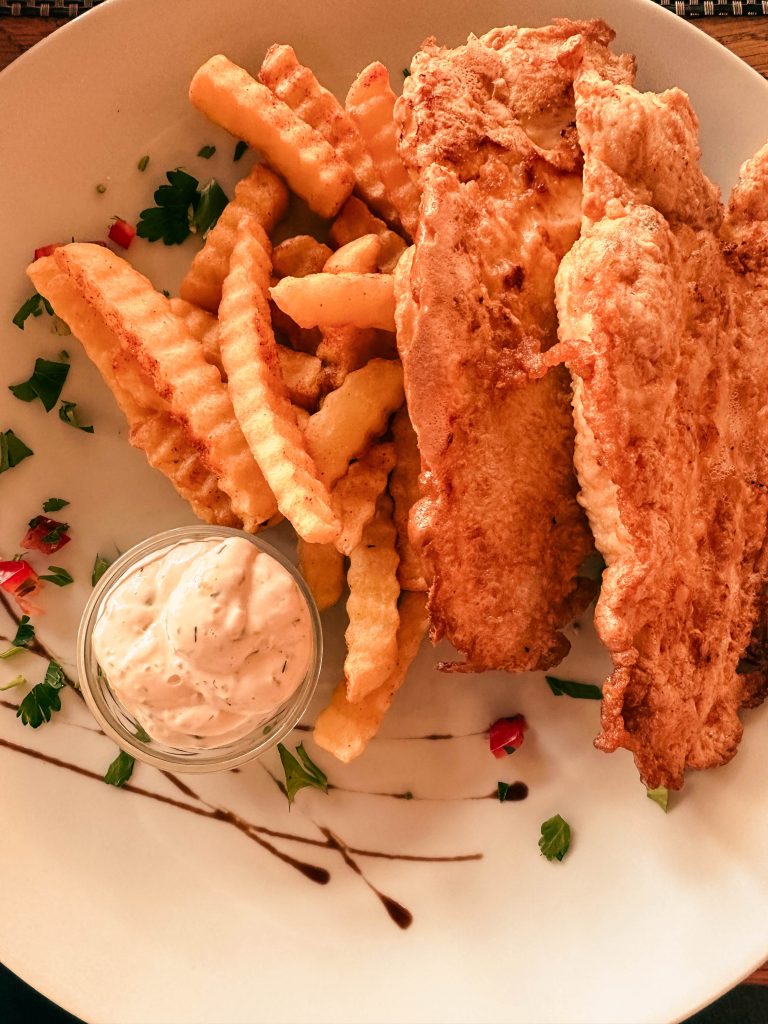
Multiple locals told me that I had to try fish and chips before I left Iceland, and who was I to argue? Reykjavik-style fish and chips (most famously enjoyed at Fish and Chips Vagninn) strangely seems to involve mushy peas as a necessary side dish. Yet in spite of this abominable vegetable puree (or perhaps because of it?), I very much enjoyed the Icelandic take on the classic fast food.

Pylsa (the famous Icelandic hot dog)
Frankly (pun intended) I’d never heard of Iceland’s famed hot dog before my trip, and then I never stopped hearing about it. Made primarily of Icelandic lamb, the pylsa (or sometimes spelled ‘pulsa’) is widely revered in Reykjavik, especially those from the original shop. Order it with everything (raw onions, crispy fried onions, ketchup, sweet mustard, and a white herb remoulade), it’s delightful.
Kleina (Icelandic donut)
A kleina is a traditional Icelandic twisted fried pastry that looks like a small, braided doughnut. They’re crispy on the outside, soft and doughy on the inside, and usually flavored with cardamom and nutmeg. Kleinur may look plain, but they are as delicious as they are simple. Best to enjoy one with a hot cup of coffee.
Pönnufiskur (Arctic Char Fish Pan from Messinn)
This isn’t necessarily traditional Icelandic cuisine, but it was my favorite dish in Reykjavik, and it features arctic char, which is common in Iceland’s waters. The arctic char fish pan is cooked with almonds, butter, and honey, which makes for an exquisite balance of sweet and savory. It’s a beautifully plated, well-balanced meal, and my only regret is that I didn’t have it a second time on my trip.
Drinks
Along with a strong cup of coffee to start the morning, Reykjavik has a number of drinks worth sampling before you leave Iceland.
Brennivín
The national spirit is Brennivín, an “aquavit” (clear, unsweetened schnapps) flavored with caraway seeds and angelica root. Famously nicknamed “the Black Death” for its iconic black label and notorious strength, it’s a strong spirit (approximately 37.5% ABV) usually served ice cold and, if you’re feeling self-loathing, alongside cubes of fermented shark (it acts as a strong palate cleanser, which is highly necessary).
Icelandic Craft Beer
The craft beer game in Iceland is top-notch, which is hilarious and predictable for a country that had banned beer until 1989. There’s even a national beer day in Iceland (Bjórdagur) to commemorate when the ban was lifted. You’ll find plenty of microbreweries and brew pubs in the city, many with flights available so you can try a bunch of different beers.

Safety Info
Reykjavik is widely considered one of the safest cities in the world, with an extremely low violent crime rate. Petty theft is also rare. In terms of safety, the weather is often a bigger hazard than possible crime. If you’re traveling outside of Reykjavik, I recommend using Safetravel’s app or website to monitor weather and road conditions.
Within Reykjavik, exercise normal city precautions, and be aware of your surroundings and belongings, but personally, I’ve never felt safer in a capital city than I did here. I often walked around late at night and found it lively, safe, and well-lit. One of my favorite tour guide jokes was when they remarked that Iceland statistically has one murder per year, “so until it happens, you better watch out.”
The all-purpose emergency number is 112, with English-speaking operators available. There’s also a 112 app, which was designed for anyone who needs to access emergency services without calling/talking. The 112 website has more information about available services.
LGBTQIA+ Info
A breath of fresh air to be able to say without caveat that Reykjavik is safe for LGBTQIA+ folks. It’s ranked highly on lists of the world’s most LGBTQIA+-friendly cities and has full legal protections for queer folks.
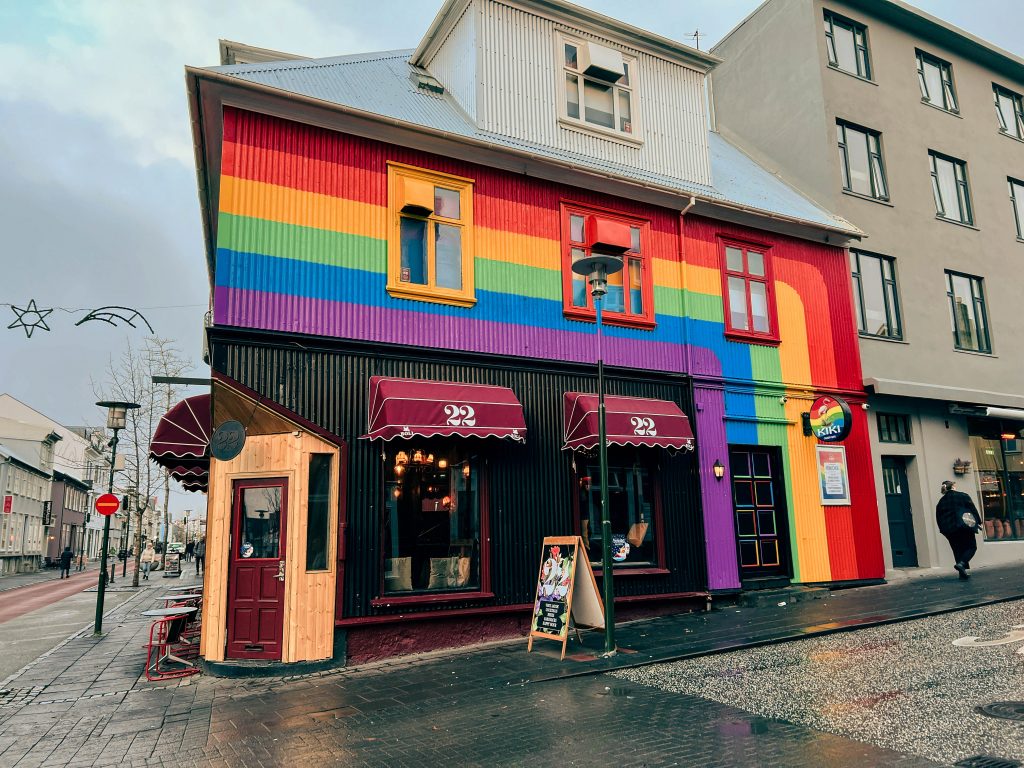
Since Reykjavik is small and widely accepting, there aren’t really any designated queer areas/neighborhoods like other major cities. However, there are queer spaces like Kiki Queer Bar and festivals/events throughout the year celebrating queer community members. You can read more about queer history and events in this article by Guide to Iceland.
Attractions
Reykjavik is an interesting case because while there’s plenty to see and do in the city, Iceland is a natural wonder, and as such you often have to leave the city to see the best parts.
So this list of attractions includes both places within the city and my favorite day trips I took from the city to the greater Iceland area. If you’re going to Reykjavik, I highly recommend going outside the city while you’re there.
Geothermal Baths
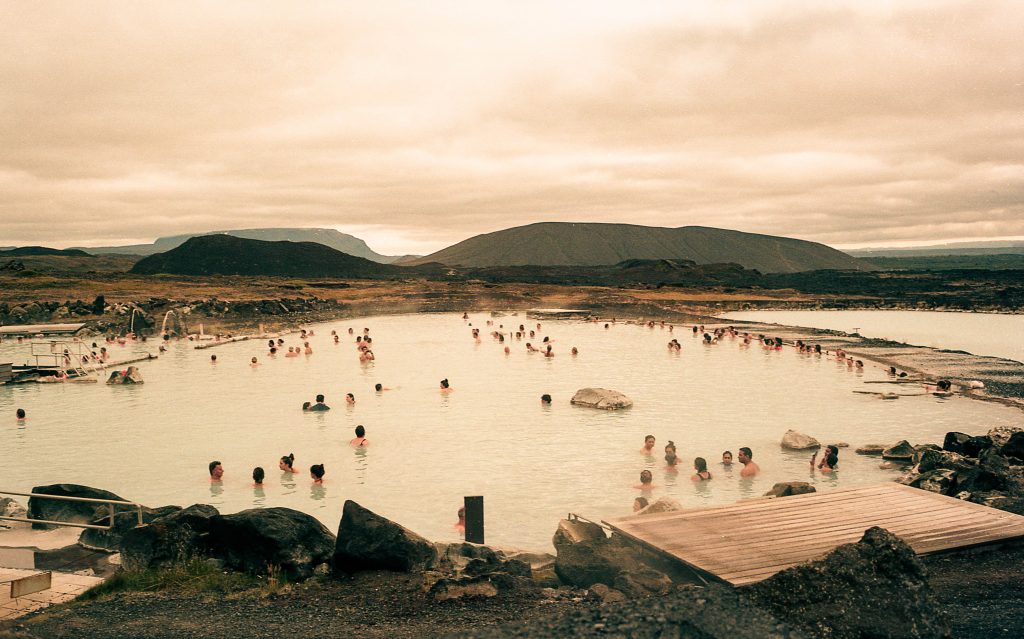
There are geothermal bath spas all around the island. The most famous is the Blue Lagoon, which despite claims of it being overhyped, I found luxurious and lovely, even in the snow.
You can book tickets in advance (highly recommend) or upon arrival. There’s also an option to take a direct airport transfer to or from the Blue Lagoon. I did this so that when I arrived in Iceland, I went directly to the Blue Lagoon to refresh after my flight. It was wonderful but just be aware that the Blue Lagoon shuttle runs less frequently than others (about every hour and a half), so if you miss a bus, you’ll have to wait awhile for the next one.
There are also geothermal baths and spas all over the country. Sky Lagoon is another popular one for tourists that’s closer to the Reykjavik city center. I didn’t go here personally, but I have friends that swear by it and say it’s far nicer and less crowded than the Blue Lagoon.
Food Walking Tour
There are a ton of food tours and tasting menus in Reykjavik, and I highly recommend trying one. If you’re only in Iceland for a few days, it’s a great way to get to sample the island’s cuisine without breaking the bank or hurting your stomach.
The food tour I took was booked through Viator, but it’s run by the Reykjavik Food Walk. The tour runs about 3 hours and goes all through the city, covering classic restaurants like Messinn and Cafe Loki as well as the famous original Icelandic hot dog stand. (As a note, the food is paid for, but drinks are an additional cost.) Our tour guide, Stevie, was an incredible storyteller, and he did an awesome job not only sharing about Icelandic cuisine but also the culture and history of the city.
I highly recommend a walking food tour if you have the time. There are also variations like beer and tapas tastings in breweries if you’d prefer to stay in one place or are more interested in the Icelandic craft beer scene than the cuisine.
The Golden Circle
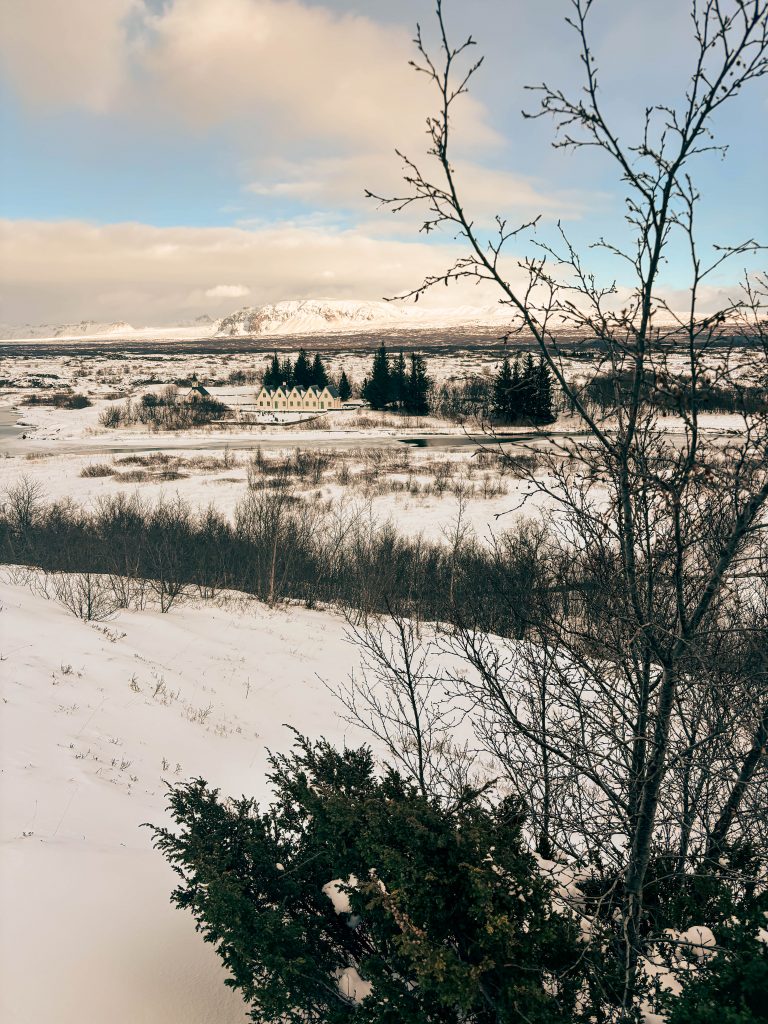
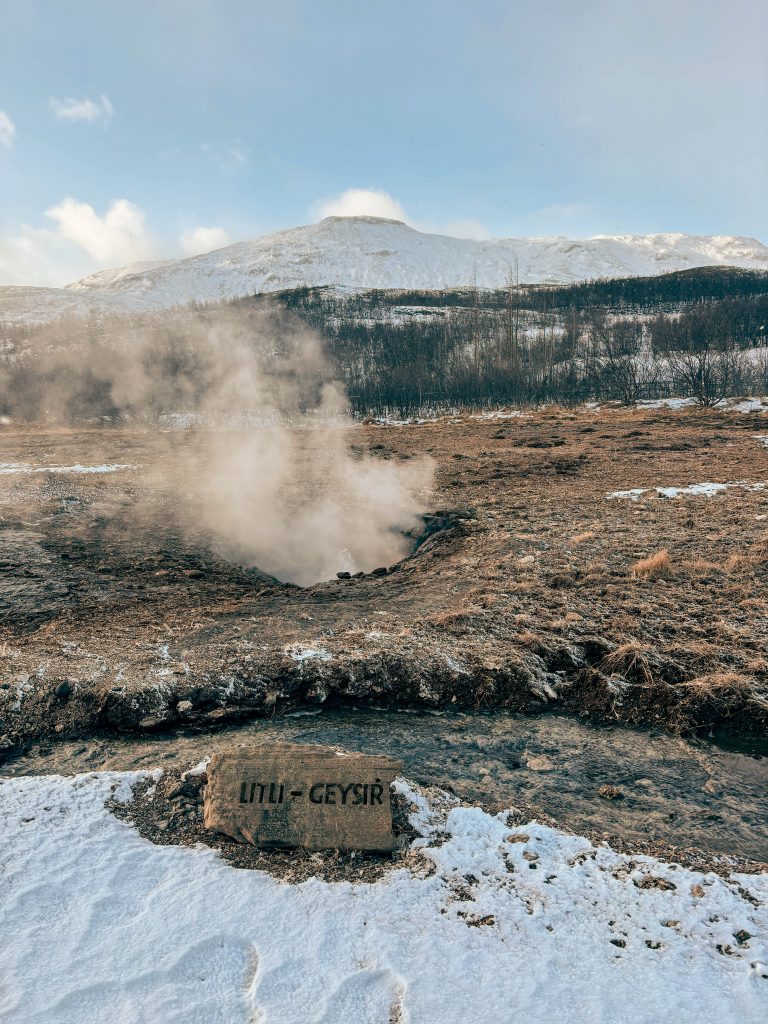
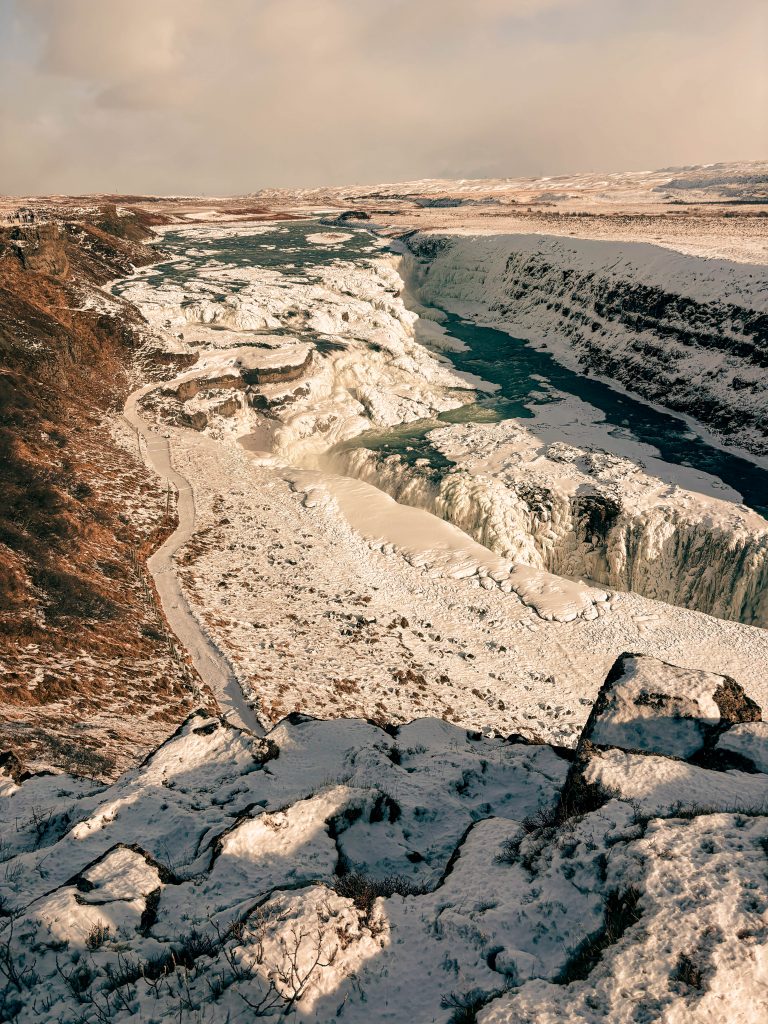
Possibly the most popular nature excursion in Iceland. The ‘Golden Circle’ is the name for the road in Iceland that travels through a number of natural wonders, including Þingvellir National Park, where you can see the North American and Eurasian tectonic plates, the iconic Gullfoss Waterfall, and Haukadalur Geothermal Valley, home of the Great Geysir and where the highly-active Strokkur geysir lives and erupts roughly every 5-10 minutes.
Some travelers rent a car to travel the Circle at their own pace, but there are also many guided tours and day trips available. These tours offer a variety of additional stops. Popular tours include visits to the Secret Lagoon, a Lava Tunnel, and Friðheimar Tomato Farm.
I booked the tour with the Friðheimar Tomato Farm visit. This included a guided tour of the greenhouse, a demonstration of their Icelandic horses, and lunch (paid separately from the tour). The tour was great, and as a non-horse girl, I was surprised that the Icelandic horse demonstration was the highlight! They have a fascinating history I highly recommend learning about while you’re visiting.
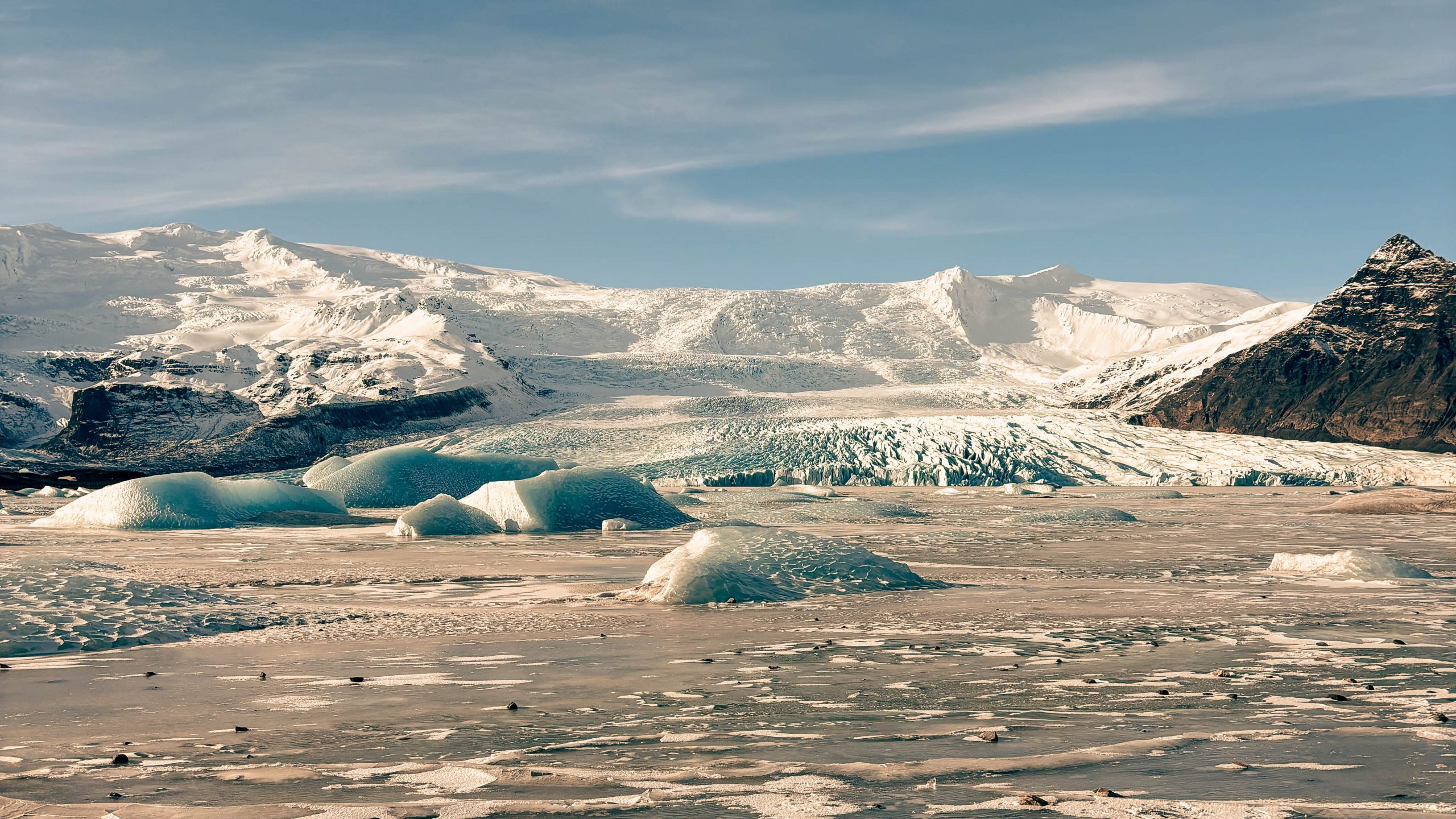
South Iceland and Jökulsárlón Glacier Lagoon
Another trip outside of Reykjavik, there is are South Iceland day trips available, though only a few of them go to Jökulsárlón, as it makes for a 14-hour trip, if not longer.
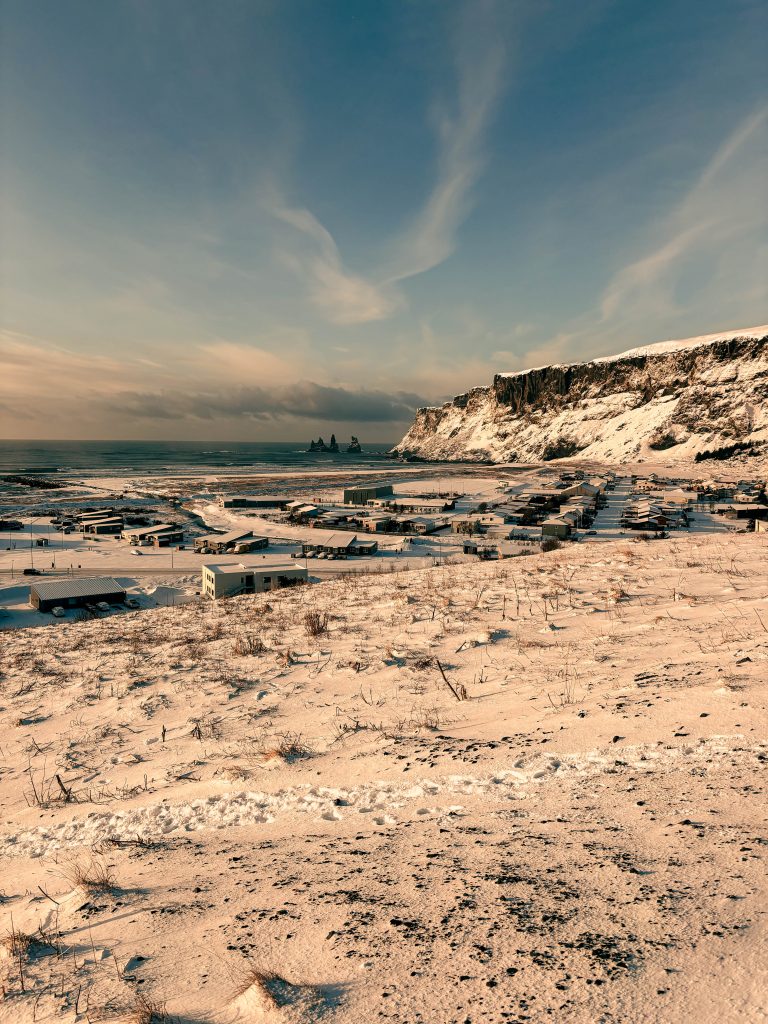
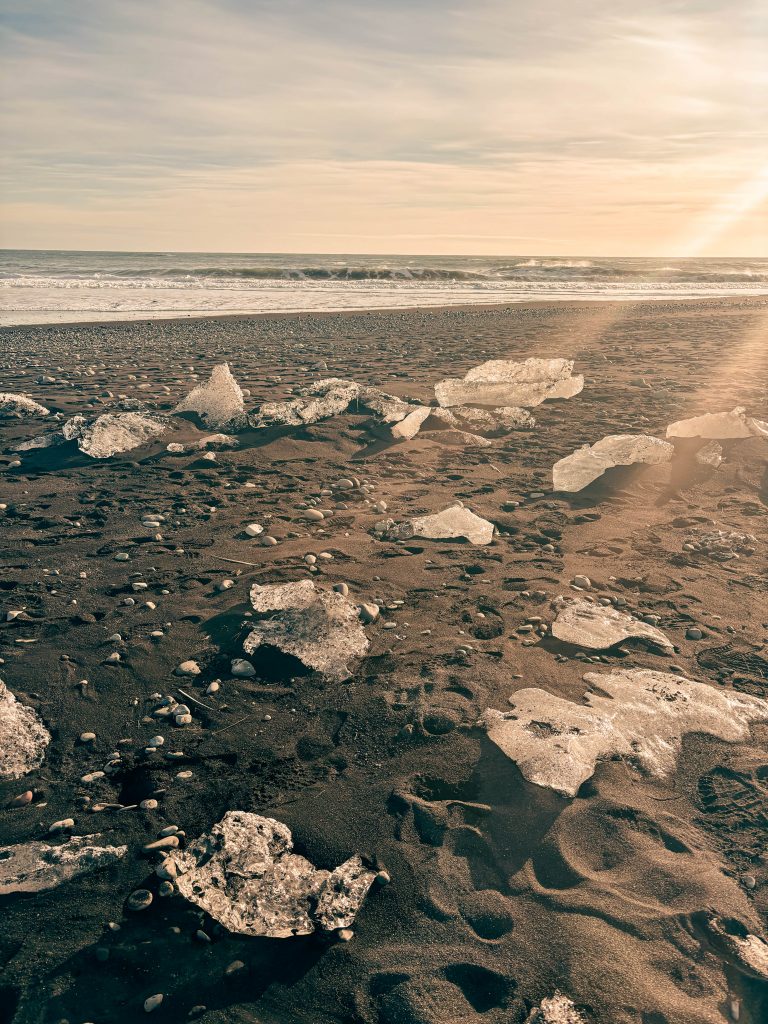
It’s certainly a long-haul day trip, but you get to see some of the most stunning places in Iceland, like Diamond Beach, the Black Sand Beaches in Vík, and, of course, the Jökulsárlón Glacier Lagoon, which is breathtaking.
There are also short stops at waterfalls along the way, and weather-permitting a second glacier lagoon. In the May-Oct season, you can also book a boat tour in the Jökulsárlón lagoon.
Lava Show
One of the natural wonders of Iceland is its volcano system, the Reykjanes Peninsula. There are tours where you can hike solidified fields from previous eruptions, and if there is an active eruption, you can hike to marked trails about 45 minutes outside of Reykjavik.
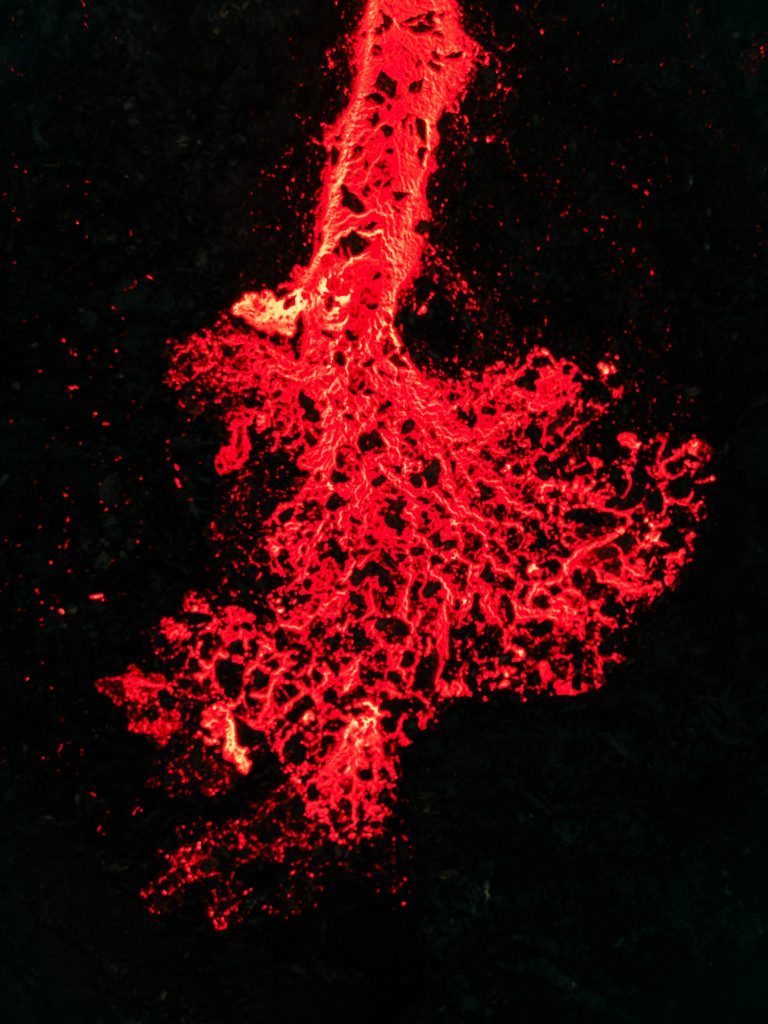
If there aren’t any active eruptions but you want to see some molten lava flow, I highly recommend the lava show, located in either Reykjavik or Vik. It’s an indoor show with real lava manipulated by a ‘lava master.’ It’s a neat spectacle and the show gives an interesting overview of the history of volcanic activity in Iceland and the world.
More importantly to me, when I went, there was a malfunction with the furnace so that less lava flowed than usual. As a result, the show was deemed unsuccessful, though the lava master still showed off some cool tricks with the lava. Everyone in the show was given a full refund or the opportunity to reschedule, plus free souvenirs as an apology. It was the best customer service I’ve ever seen, and that alone I think deserves a huge shoutout.
Northern lights Hunting
My original bucket list item for my Reykjavik trip was to see the Northern Lights. As someone who really hates taking pictures, I booked a small group tour with professional photography included. That way, in theory, I could enjoy the lights without worrying about having souvenirs for later.
We didn’t see the lights on our first night, so we rebooked. Most tours have a stipulation that if you don’t see the lights on your first outing, you can rebook for free. What they don’t tell you is that rebooking is for the regular bus tour, even if you paid for premium bookings like the photography package or a small group. Also, unless there’s inclement weather, they will run the tour even on days where the chances of a sighting are minimal. Therefore, I wouldn’t bother spending money on the premium tours, to be honest. The lights and Iceland’s weather (the infamous cloud cover) are too unpredictable.
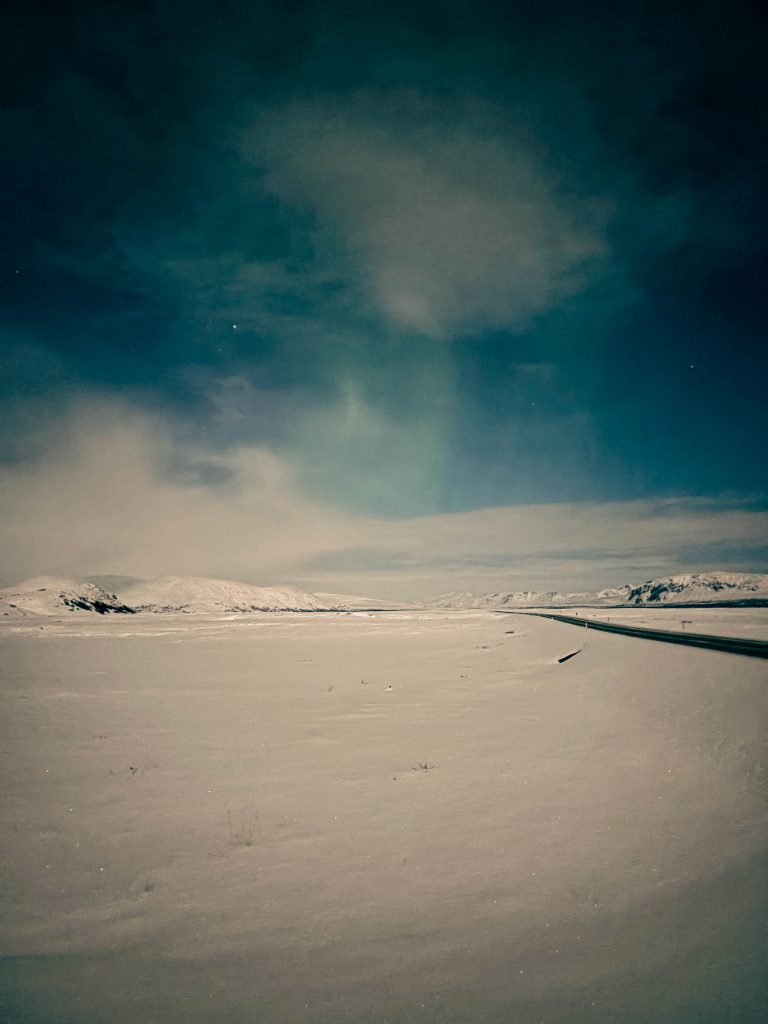
Another thing to note is that peak Northern Lights season, September-April, is cold. Tours typically start at 9pm or 10pm and often go as late as 2am, so make sure you layer up as much as possible, and be prepared to be shivering and tired.
If you’re not up for a night of driving around hunting the aurora, there is also the option of traveling to stay in more remote areas of Iceland for a better possibility of a sighting. There is also always a chance that the lights will be active enough to reach Reykjavik, in which case on a clear night, you can see them without leaving your hotel street.
Restaurants
As I’ve said, I surprised myself with how much I enjoyed the Icelandic food scene. Nearly every restaurant I tried I would whole-heartedly recommend to anyone visiting the Smoky Bay. There’s also a vibrant nightlife scene, though worth noting it’s mainly confined to Friday and Saturday nights. Below is a list of my favorites for different occasions.
Lunch/Dinner
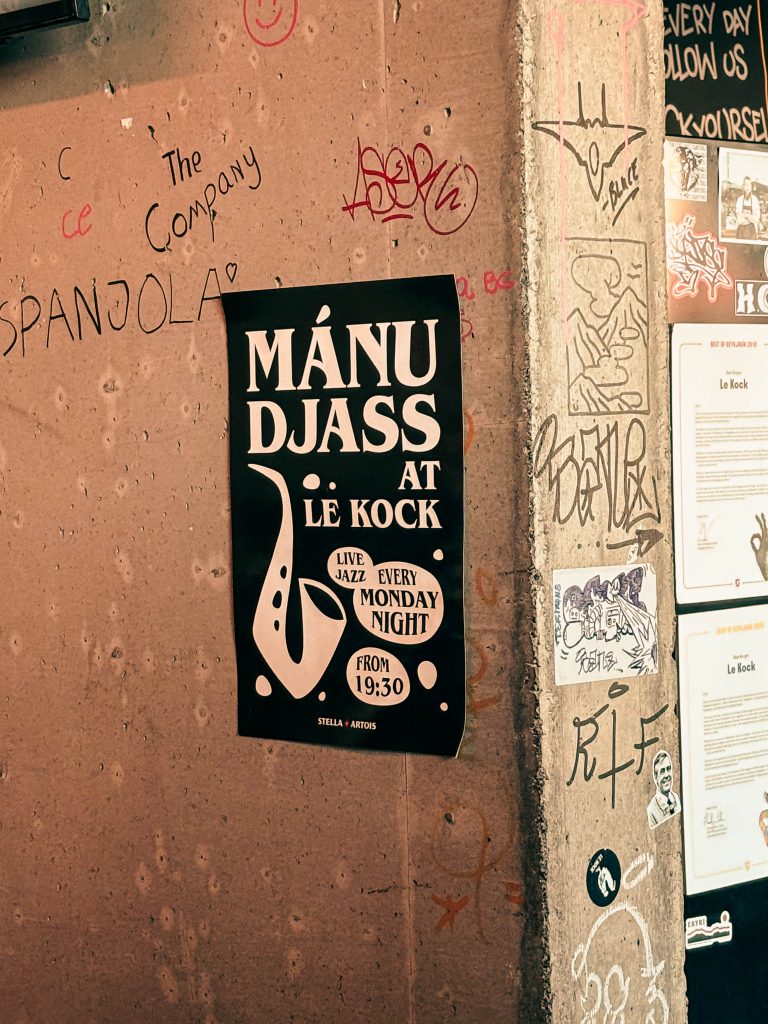
- DEIG workshop: Good for breakfast, lunch, dinner, and a nightcap, DEIG is home to the iconic crème brûlée donuts (complete with blowtorching on the spot). After breakfast, they shift service to their restaurant Le Kock, a burger joint with good beer and good vibes. (Pro tip: DEIG sells their leftover donuts for half-price at Le Kock –they keep quite well!)
- Messinn: This is a common stop on walking food tours, and for good reason. Messinn is a highly related restaurant serving traditional Icelandic dishes as well as their popular pönnufiskur (fish pans). I rave over their arctic char fish pan, but they’re a great option overall for Icelandic cuisine.
- Hraðlestin: An Indian restaurant tucked away in the north of the city, if you’re looking for a break from Icelandic food, I recommend it. The food is flavorful and comforting and the restaurant has a nice cozy feel. It’s also near the Lava Show and a few other museums, so it’s a good place to stop and refuel.
Breakfast/coffee
- Sandholt: Right around the corner from the Insta-famous Brauð & Co and their famous cinnamon rolls, Sandholt is a bakery and a full-service restaurant. They have great breakfast options, and when you’re done, you can order some kleinur or a Danish pastry to go (both are fabulous).
- Grái kötturinn: This translates to ‘Gray Cat’ based on an old story shared on the diner’s menu. They have a retro diner vibe and all the classic diner food, including pancakes made from scratch. Personally, I was a big fan of their bagels and their croque madame.
- The Laundromat Cafe: A local favorite, this is an all-day, no-frills diner. Fun fact, you can in fact do laundry downstairs here if you need it.

Bars
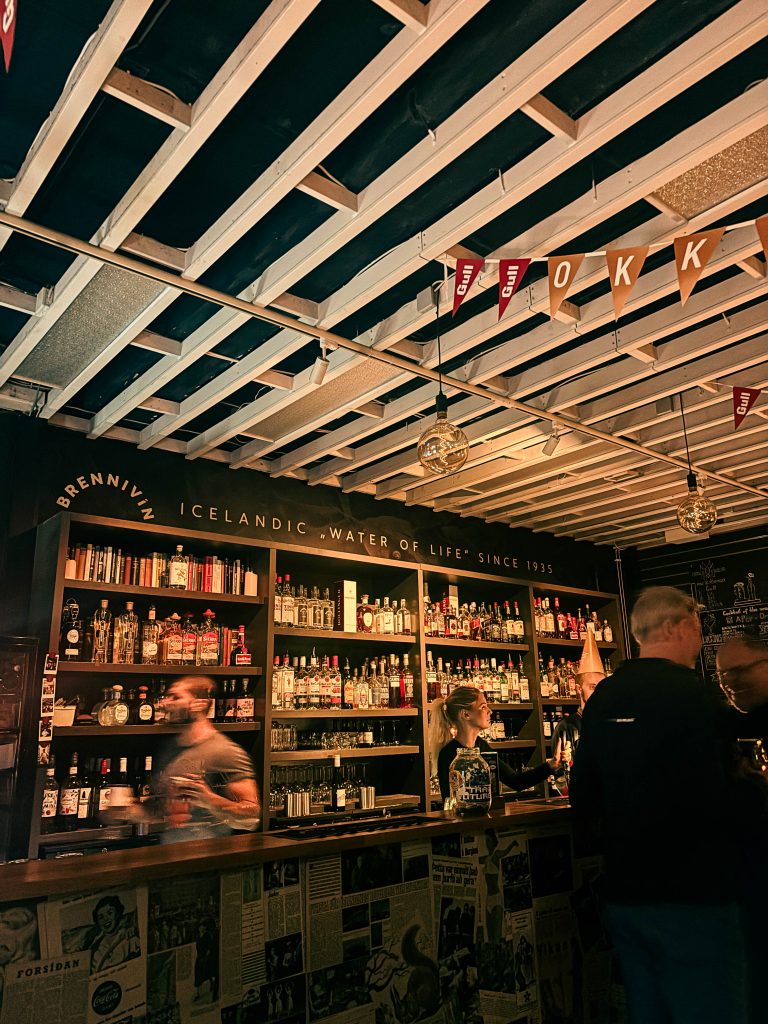
- Hús máls og menningar: My favorite bar in the city is also a fully-functioning bookstore that plays live music every night. The vibes here are immaculate, and the bands often run on requests, so lots of crowd-pleaser songs to sing along to and enjoy.
- ÆGIR 101 Bar – Taproom: One of the many breweries in Reykjavik, I liked ÆGIR because they had a beer flight and board games available, making it a very chill place to pass a couple of hours.
- Íslenski Barinn: This was the stop on the food tour where I tried the horrifying fermented shark, but I don’t hold that against the place. It’s a gastropub with craft beers and is a good place to try Iceland’s signature drink, Brennivín.
Fast‑Food / Takeout Options
- Shawarma and Falafel: Exactly what the name implies, they have great Middle Eastern food that provides a sometimes much-needed break from local cuisine, and was conveniently right beside my hotel. The shawarma plate is delicious, and I was particularly obsessed with their hummus.
- Fish and Chips Vagninn: I was told by multiple locals that this was the place for Reykjavik-style fish and chips. I’m not a huge fried fish lover, so I was surprised by how much I liked this dish. They also offer an array of dipping sauces to try (I recommend the remoulade).
- Bæjarins Beztu Pylsur: The original Icelandic hot dog stand. You may have to wait in a long line if you catch them at a peak hour, but it’s one of those places you can’t leave Reykjavik without trying (unless of course, you’re vegetarian). It’s also a great place to grab a bite after a long night of chasing Northern Lights or club-hopping, as it’s opened until 6am on the weekends.
How To Reach Reykjavik
Usually in these guides I try to cover all the major modes of transportation someone could potentially use when traveling into the city. The lovely thing about Reykjavik is unless you’re already in Iceland, your arrival locations are either the Keflavík International Airport (KEF) or, if arriving by sea, one of two sea ports (Skarfabakki Harbour or Miðbakki Pier).
Note that if you’re traveling from mainland Europe on the Smyril Line, the ferry dock is in Seyðisfjörður, which is in east Iceland and is a 7-8 hour drive from Reykjavik. (If you are bringing your own car from Europe, this is the line you would take.)
By Air
Keflavík International Airport (KEF)
95% of international travelers to Iceland arrive via air travel, and KEF is the primary international airport on the island. It’s about 50 minutes (50km) outside of Reykjavik, and there are plenty of options for getting to and from the airport and the city center.
Direct Bus Shuttles
This is probably the most popular option for tourists. It’s a direct bus to/from KEF to the city center, and the trip takes approximately 50 minutes. Direct bus companies like Flybus and Airport Direct coordinate with flight arrivals and will drop you off either at BSI Bus Terminal or (for an additional fee) in front of your hotel or the nearest tourist bus stop.
You can book your tickets in advance on the official sites or third party vendors like GetYourGuide and Viator, and they usually have flexible departures times to account for flight delays/getting through border control. You can also purchase tickets at the airport when you arrive at the same price.
Public Bus
Strætó (the public bus system) operates Line 55 from KEF to central Reykjavík. It takes about 1 1/2 hours and terminates at BSI Bus Terminal (you will have to walk or transfer from there to your accommodations). You can pay by card upon entering the bus.
Note that while about half the price of the direct airport shuttles at the time of writing, riding the public bus does come at the cost of convenience. The bus runs less frequently than the shuttles and as it is a public bus, there is no designated place for luggage.
Private Transfer/Taxi
I did not personally use a private transfer, but if you’re looking for the most direct and convenient way to get from the airport to your accommodations, you can book private taxis/cars. If you reserve in advance, you can give the driver your flight details so they will be waiting for you at the terminal once you arrive. You can also hire a taxi/driver at the airport terminal. Just note this is by far the most expensive option.
Car Rental
Renting a car is popular in Iceland, especially in the warmer months, in order to explore the whole island at your leisure. I did not personally rent a car, so I can’t speak to this experience. You can book a rental car in advance, and there are also rental cars available when you arrive in KEF.
By Sea
The official Visit Reykjavik site has an excellent breakdown of the travel options from the different sea ports into the Reykjavik city center for people arriving by cruise ship or ferry, including from Hafnarfjörður port, which is in the city of Hafnarfjörður, 12 km from Reykjavik.
Skarfabakki Harbour
The Skarfabakki Cruise Terminal is located about 4 km outside of downtown Reykjavik. You can reach the city on foot (about 50 minutes), rent a Hopp electric scooter, or hire a taxi. Public transportation is also available via Bus 16, which has a stop near the cruise terminal. While there are no car rental offices located directly at Skarfabakki, many rental companies provide shuttle or pick-up service from the port.
Miðbakki Pier
Miðbakki is located in Reykjavik’s Old Harbour, right in the city center, so it’s in easy walking distance of most places in the city, or you can hire a taxi, rent a scooter, or take a public bus to other further destinations. Although there are no car rental offices at the Miðbakki cruise terminal, most major rental companies offer pick-up service from downtown Reykjavik.
Where to Stay in Reykjavik
Reykjavik is a fairly small city, and as such, you can pretty much stay anywhere in the city center and be set for success during your trip. I stayed at 101 Guesthouse, which was a budget-friendly accommodation with shared bathrooms. No complaints from me.
My recommendation is to book a hotel that’s near one of the tour bus stops if you’re taking any trips outside of the city. It makes it easier when booking tours and more convenient for you if you don’t have to go far from your hotel to get picked up.
You can view the list of pick up stops and corresponding hotels on the Reykjavik Excursions site.
Note that tours usually charge extra for certain stops versus meeting at BSI Bus Terminal. Bus Stop #12, however, was available at no additional cost and was only a 10 minute walk from my hotel.
Getting Around Reykjavik
Public Transport
Outside of hiring private cars or rental cars, Reykjavik can be traversed either on foot or by bus (or bikes/e-scooters in good weather). There aren’t any train or metro systems in Reykjavik.
Buses
Public buses are called Strætó in Icelandic. At the time of writing, single, one-way standard fare within the city cost 690 kr, with discounts for minors, elderly, and differently-abled riders. You can pay either with card (via tap-to-pay), a refillable Klapp card, or the Klappið app (note if you travel outside the city center, you may only pay with card, cash, or a bus card).
Fares vary depending on how many zones you pass through outside of the city center. For example, the trip from Reykjavik to KEF-airport goes through 4 payzones, so the price at the time of writing is 2,400 kr.
Most routes start at 6:30am/7am and can run until midnight, though half of routes stop earlier in the evening and some don’t run on the weekends.
Tourist Bus System
Reykjavik has a unique infrastructure for its tourist traveling, in that there are designated ‘tourist’ bus stops throughout the city where tour bus companies will pick-up and drop-off passengers for day trips and other excursions.
Worth noting that these tour buses schedule pick-ups with a 30-minute window, so if your pick-up time is 7:30, you’re expected to be there 15 minutes early (7:15) for a pick-up as late as 8:00am. Expect to be freezing, and also since there are multiple tour companies and buses from the same companies running every day, you will find masses of people swarming to every bus that arrives to try and hear if their name is on the passenger list.
It can be disheartening and stressful if you’ve watched 20 groups get picked up before you in the 30-minute window, but the tour companies will call you first before leaving without you or declaring a no-show. So try not to worry too much about missing the bus if you’re at the stop at the designated time.
Walking
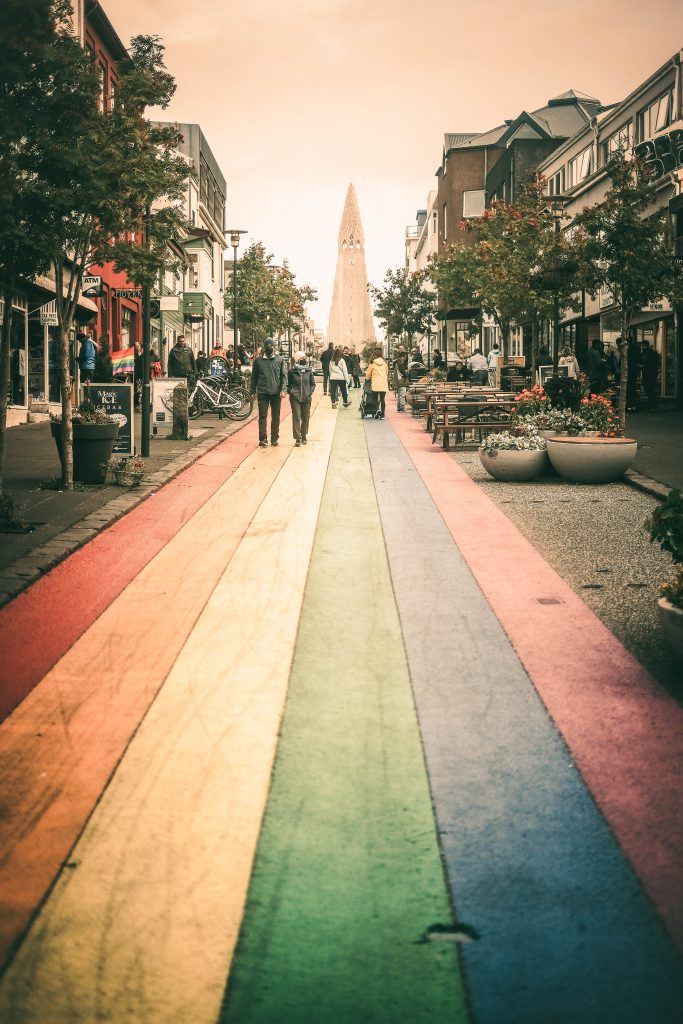
Good old reliable traveling on foot. Since Reykjavik is so small, most of the city is absolutely walkable, though with the caveat that if it snows while you’re there, it can make for some slippery paths and some embarrassing falls.
This is a warning for outside of the city, too, by the way. I visited the Kerið Crater the day after a snow storm and I, and multiple others, slipped on the same patch of ice and risked careening into the cliffside. (I was told to invest in crampons, which I decidedly did not do.)
Survival Language
Of all the places I’ve traveled, Reykjavik is unfortunately one of the few where I did not speak even a word of the local language (Icelandic) prior to my arrival. Nearly the entire country knows English, and you shouldn’t expect to have trouble navigating a language barrier in Reykjavik. That said, it’s always nice to have at least some greetings and polite phrases to show respect when you’re visiting a new country, so here’s a list of some Icelandic vocabulary (and pronunciation) to help on your visit.
Also, impress your friends by learning how to say Eyjafjallajökull (the volcano that erupted in 2010, causing mass travel disruptions across the world, which U.S. newscasters repeatedly failed to pronounce correctly and shortened to E-15).
The most accurate phonetic guide I found is EY-ya-fyat-lah-YOH-kuht. Try saying it 5 times fast.
| English Phrase | Icelandic Translation | Pronunciation |
|---|---|---|
| Hello | Halló | hah-LOH |
| Goodbye | Bless | bles |
| Yes | Já | yow (rhymes with cow) |
| No | Nei | nay |
| Thanks | Takk fyrir | tahk FIH-rir |
| Please | Vinsamlegast | VIN-sam-leh-gahst |
| Excuse me (to get someone’s attention) | Afsakið | AF-sah-kith |
| Excuse me (to apologize) | Fyrirgefðu | FEER-ir-gev-thu (the ð is the soft th in “this”) |
FAQs
When is the best time to visit Reykjavik?
Depends on your trip goals. The best Northern Lights season in Iceland is roughly November through February, which has the longest periods of darkness. However, it’s also the coldest, and Iceland winters can be brutal.
Puffin season is May to mid-August. The Midnight Sun is in June. If you’re looking for the nicest/warmest weather, plus whale-watching and the best Ring Road access, aim to visit May-August.
How much cash should I carry, and can I use cards?
The currency in Iceland is Icelandic króna (ISK), but Iceland is largely a cashless country. I did not use cash once during my entire stay there, and outside of perhaps a few remote spots/coin-run machines, I can’t imagine when you would need it. If you’re visiting as a tourist, it’s extremely likely you won’t ever need it.
What’s the best way to get around Reykjavik?
Reykjavik is a fairly small city, so for the most part, you can get around by walking. There are also city buses and tourist buses that can get you to and from the farther parts of the city, if need be. They are generally quite reliable (even in atrocious weather), though for public transport, bus tickets are quite expensive.
Can I drink tap water in Reykjavik?
Yes, and you absolutely should. Iceland’s water is sourced from its national springs, and it’s safe and refreshing. Just make sure you’re drinking cold tap water, as the heated water comes from geothermal sources, and it also has a distinct, sulfur-y smell.
What souvenirs are unique to Reykjavik?
Icelandic wool clothes are a popular option, as Lopi wool is considered extremely high quality. (Pro tip from a local: go to secondhand shops to find wool products, as they will retain their quality for years).
Other options include volcanic jewelry or artwork, food products like sea salt or chocolate (Omnom brand is famous), or skincare products from the Blue Lagoon (I will say, very touristy, but my skin never felt or looked better than post-Blue Lagoon).
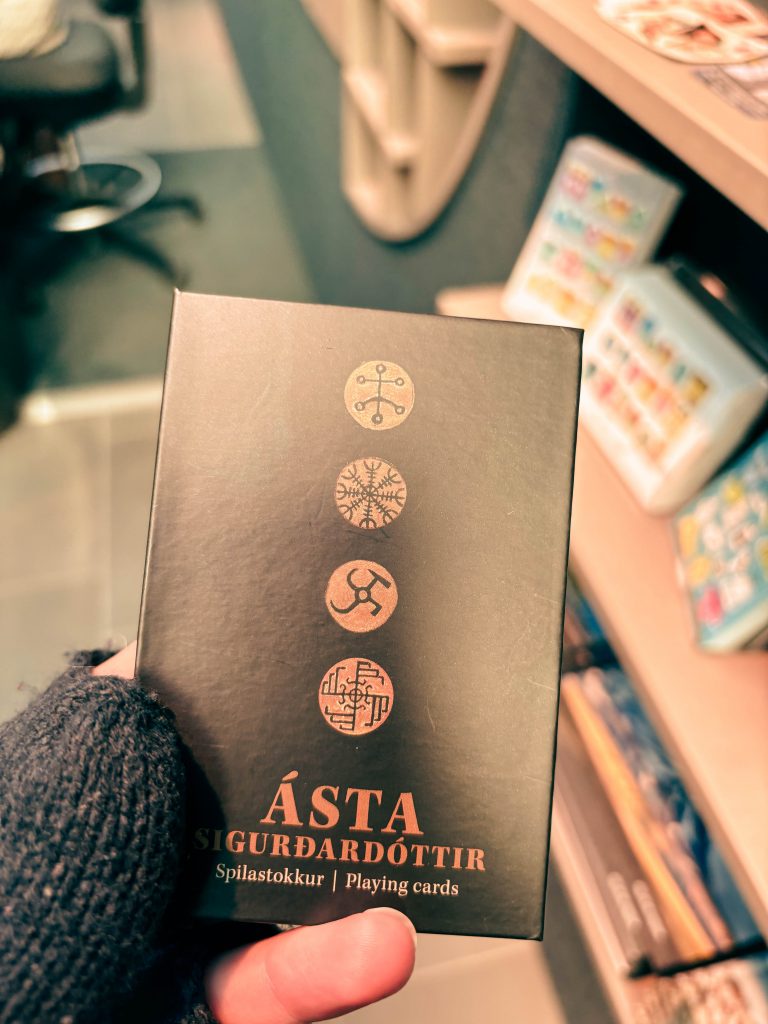
I personally bought a deck of cards designed by an Icelandic artist, but they’re so beautiful that they now live in the box completely unused.
Is tipping expected in restaurants or Tours?
Nope, not mandatory or expected. Some of the tours I went on indicated that tips would be appreciated, but every local that I’ve spoken to says tips are not part of the culture (even on tours) and no one expects them. If you see tip jars or a tip screen when paying while you’re in Reykjavik, the place is likely catering to foreign tourists who don’t know it’s not the norm.
Whoa!! Very comprehensive. I’ll pass on the shark, but the rest of the food sounds amazing. Hopefully you get to see the lights next time!