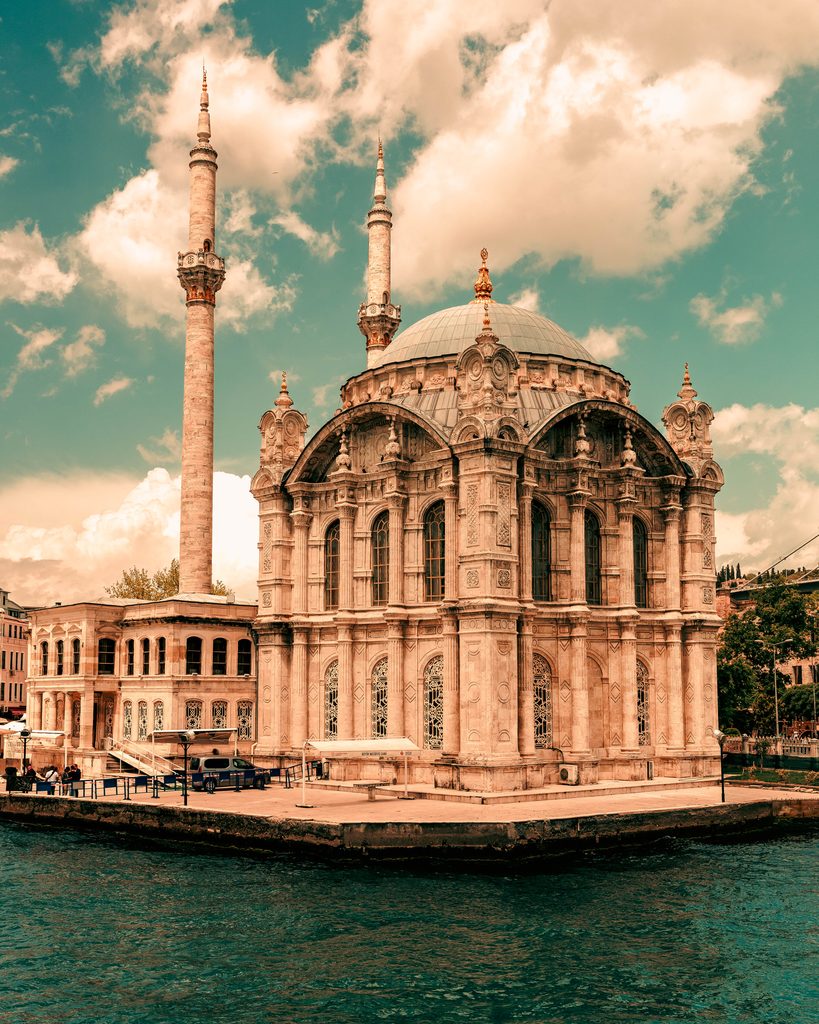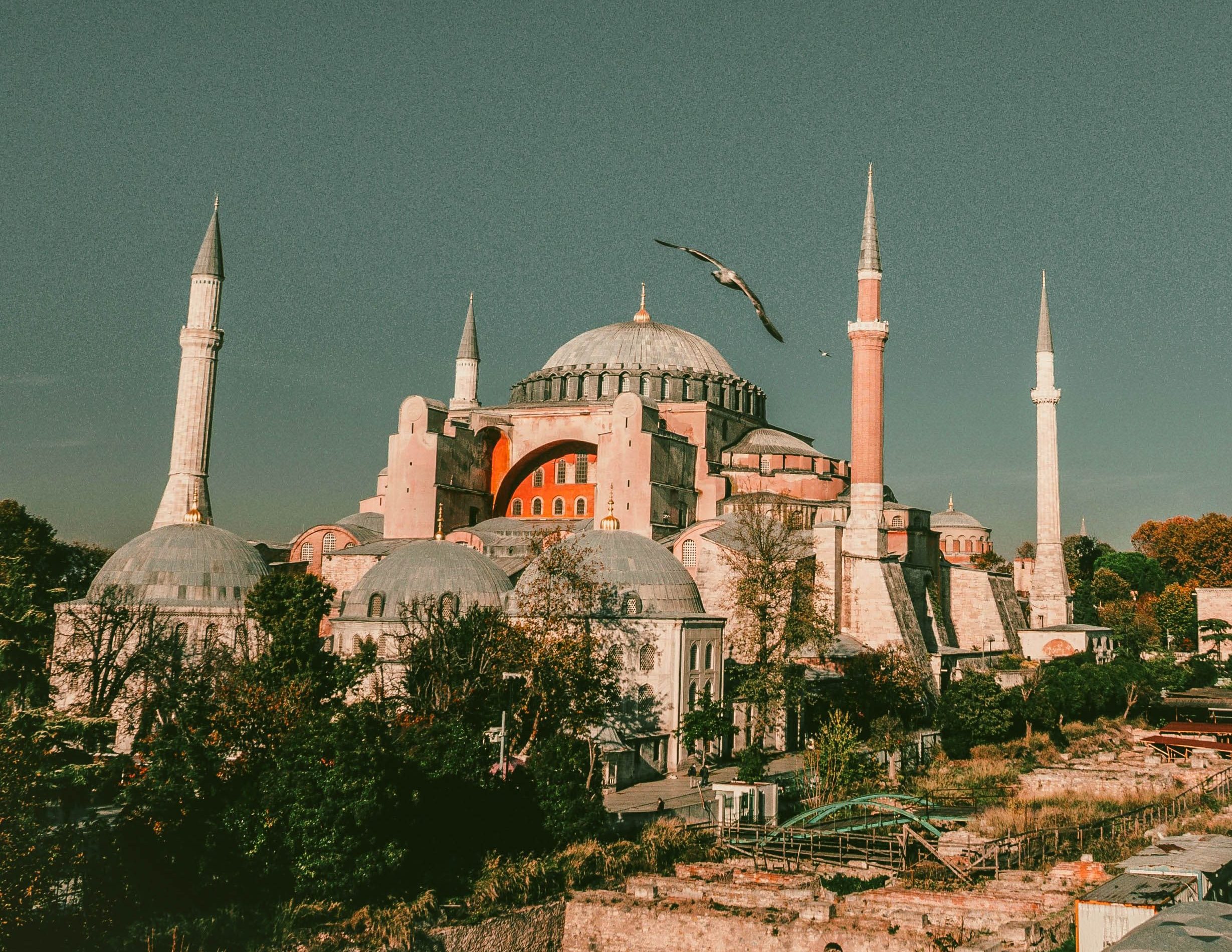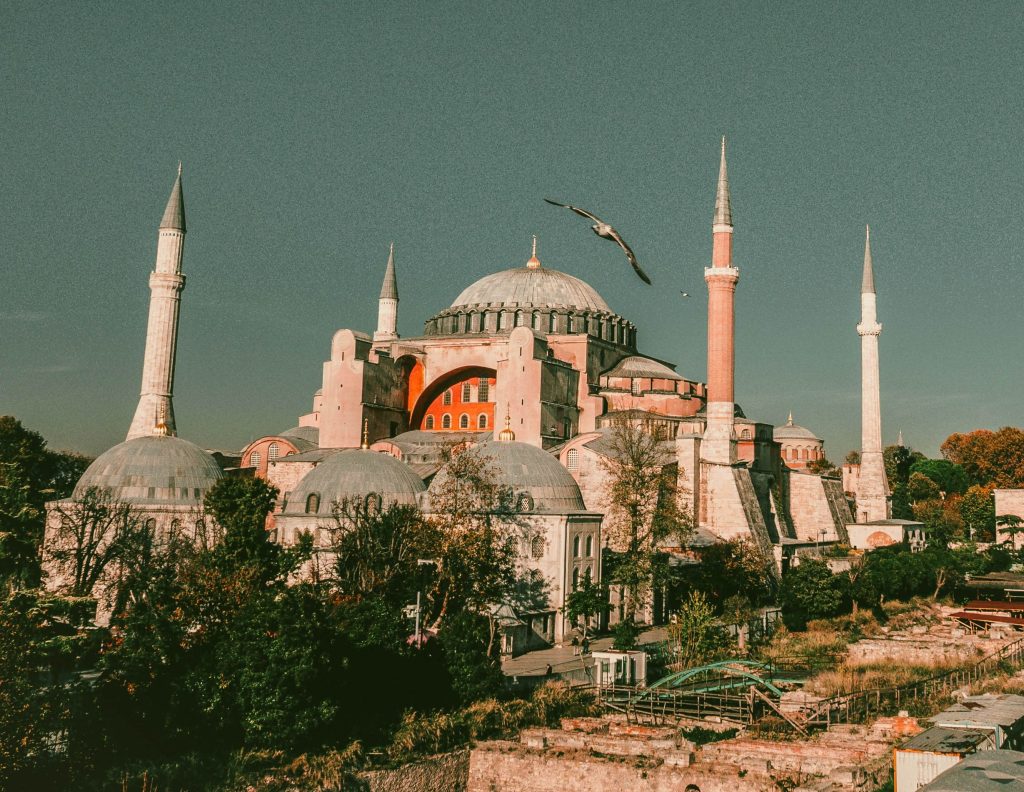
Bridge View of the Bosphorus in Istanbul

Middle East

Turkey

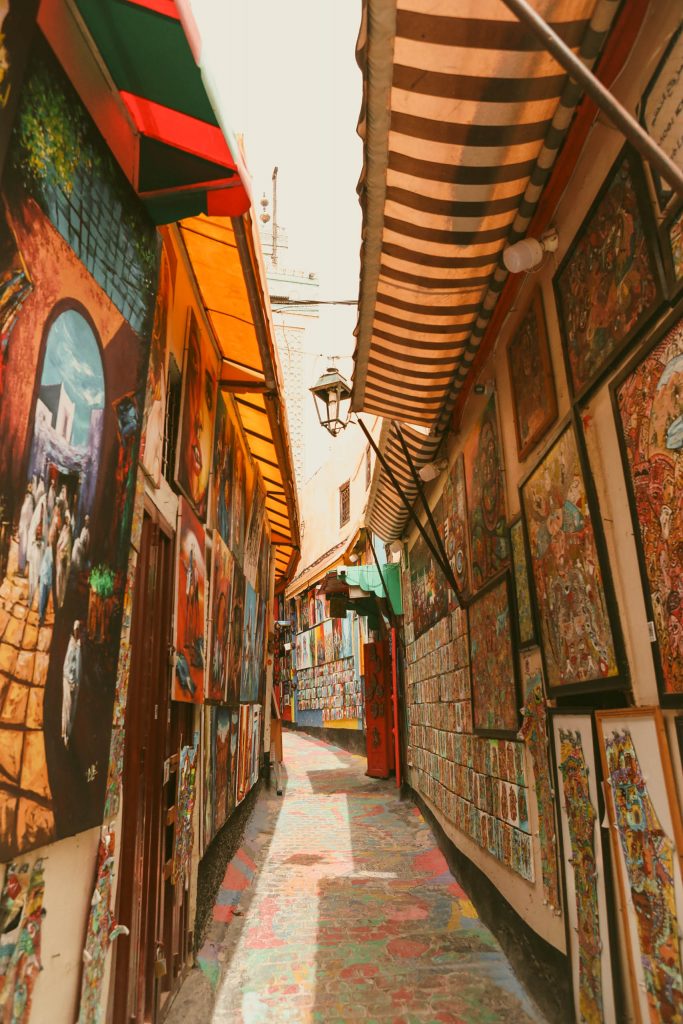
I admittedly was a little nervous to make the trek out to Turkey after my personal experience in Morocco. My expectations of a primarily Muslim-based culture were a little halting to say the least, but I was so surprised and warmed by the genuine beauty and kindness that I found in nearly everyone I met while visiting that I knew I had to go back to Turkey and experience it further.

Capital: Ankara

Currency: Turkish Lira (TRY)

Exchange Rate TRY: Tue, 2 Jun.

Languages:

Turkish (primary); Kurdish also widely spoken in some regions; English spoken in tourist areas of major cities

Time Zone: TRT (UTC+3)

  • Istanbul — largest city and cultural hub; historic sites, Bosphorus views, chaotic-but-beautiful energy, endless neighborhoods to explore
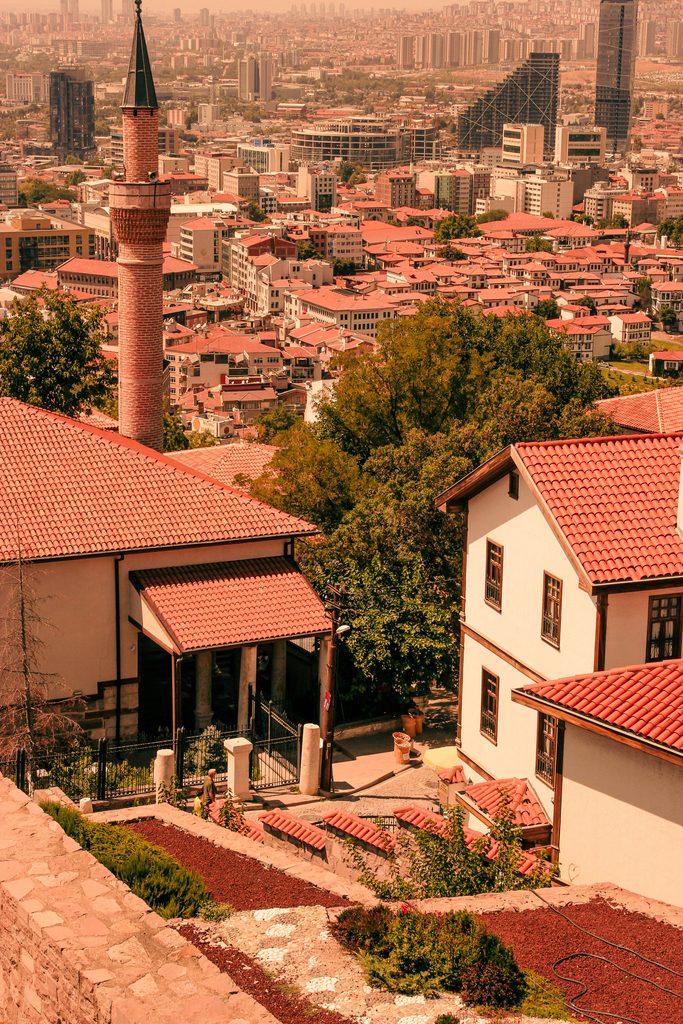
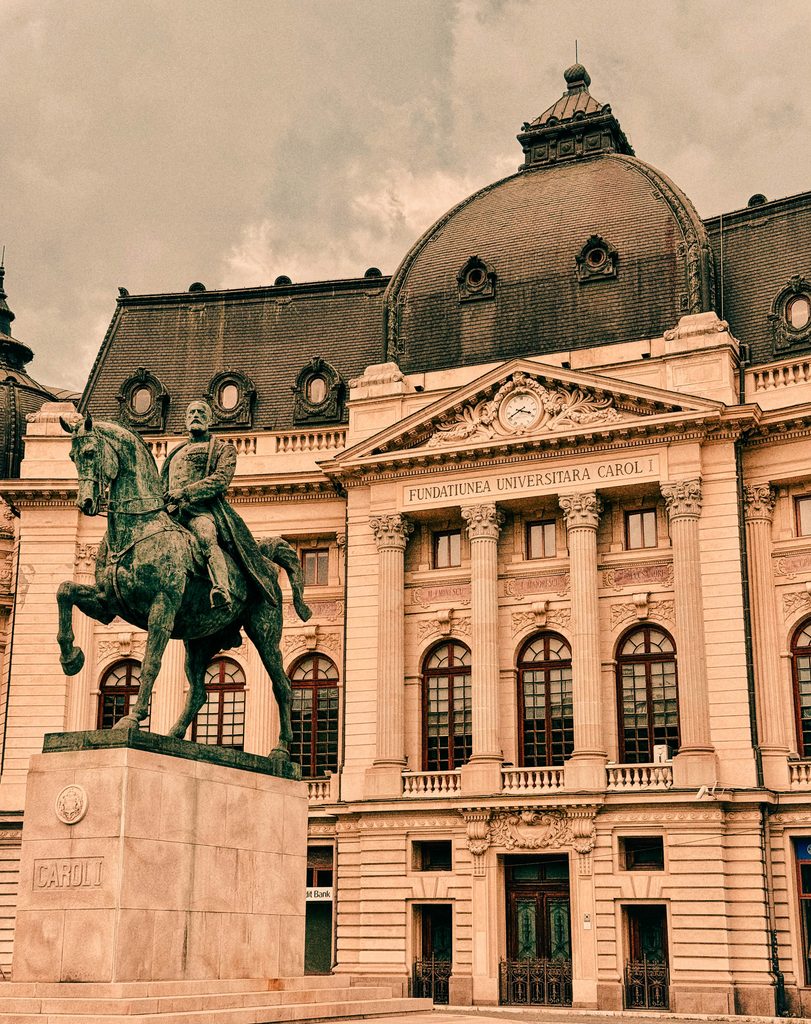
  • Ankara — capital city; more administrative and local, fewer tourists, political center
  • Izmir — coastal, relaxed, modern vibe with strong Aegean influence; good base for nearby ruins and beach towns
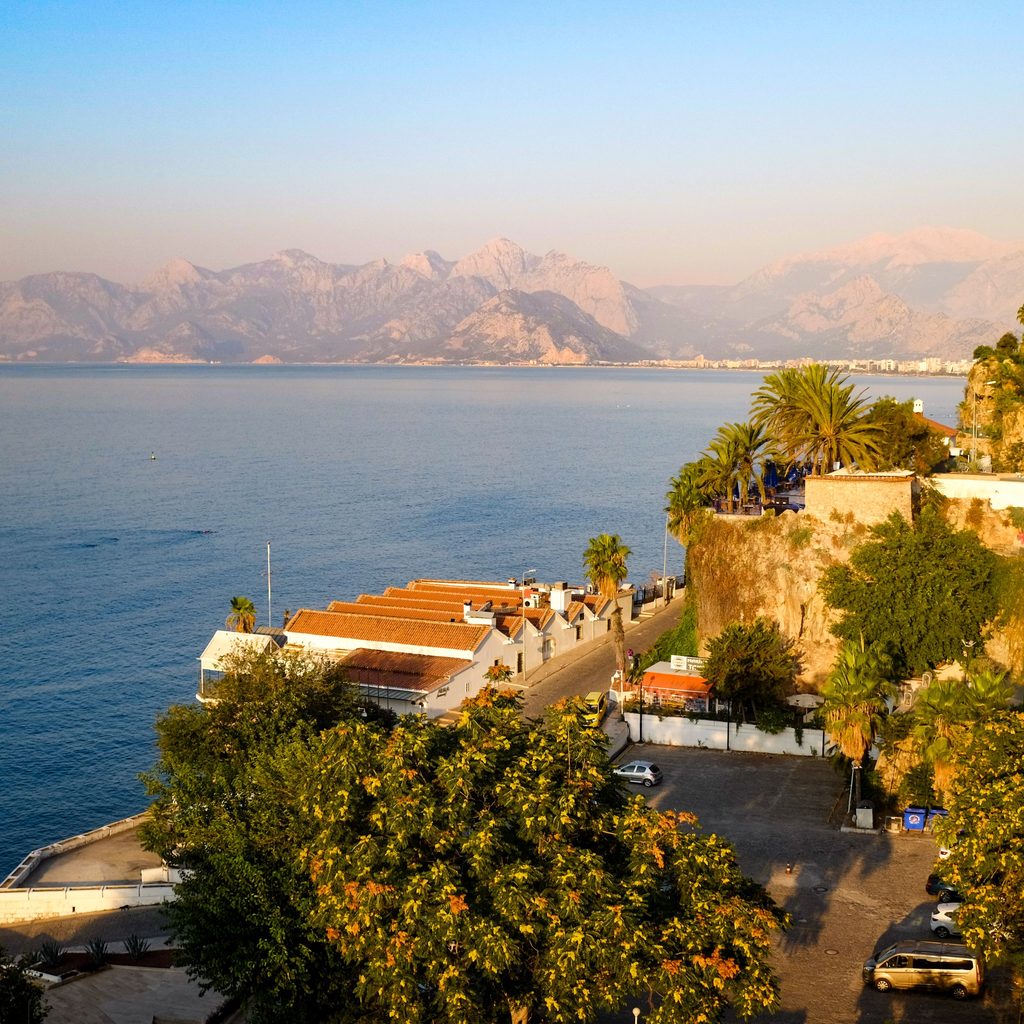
  • Antalya — Mediterranean resort city; beaches, tourism infrastructure, popular for all-inclusive stays

Itineraries, dining recs, travel tips, and more to come!


For Visa-Exempt Nationalities

Some nationalities (including most EU countries) can enter visa-free for short tourist stays. Duration varies by nationality (often 60–90 days).

For Visa-Required Nationalities

Many travelers (including U.S. citizens and several other nationalities) must obtain an eVisa online before arrival. This is usually a quick process, often approved within minutes to a few days. (Note: Turkey previously offered visas on arrival for some nationalities, but the current system relies on eVisas for eligible countries.)

Tourist Stay Length

Varies by nationality (commonly 30–90 days within a 180-day period)

Proof of Onward Travel Required?

Sometimes requested by airlines or border control. I’ve personally have not had this happen yet

Travel Insurance Needed?

Not required for entry but recommended

Cards vs Cash

Cards are widely accepted in cities and tourist areas, but cash is still important in markets, smaller towns, and for taxis. Plus, if you take the buses from the airports, paying in cash is cheaper

Tipping Culture

Common but not mandatory; small tips appreciated in restaurants and for service staff

ATM Access

Good in cities and towns; widely available

Overall Safety

Generally safe in tourist areas; normal caution recommended in crowded places due to petty theft risk

Solo Female Traveler Friendly?

Generally manageable, especially in tourist regions, but cultural awareness and caution in certain settings is recommended

LGBTQ+ Friendly?

Legally and socially mixed; major cities are more open, but overall social attitudes can be conservative. Some discretion is advised

Main Tourist Scams to Watch For

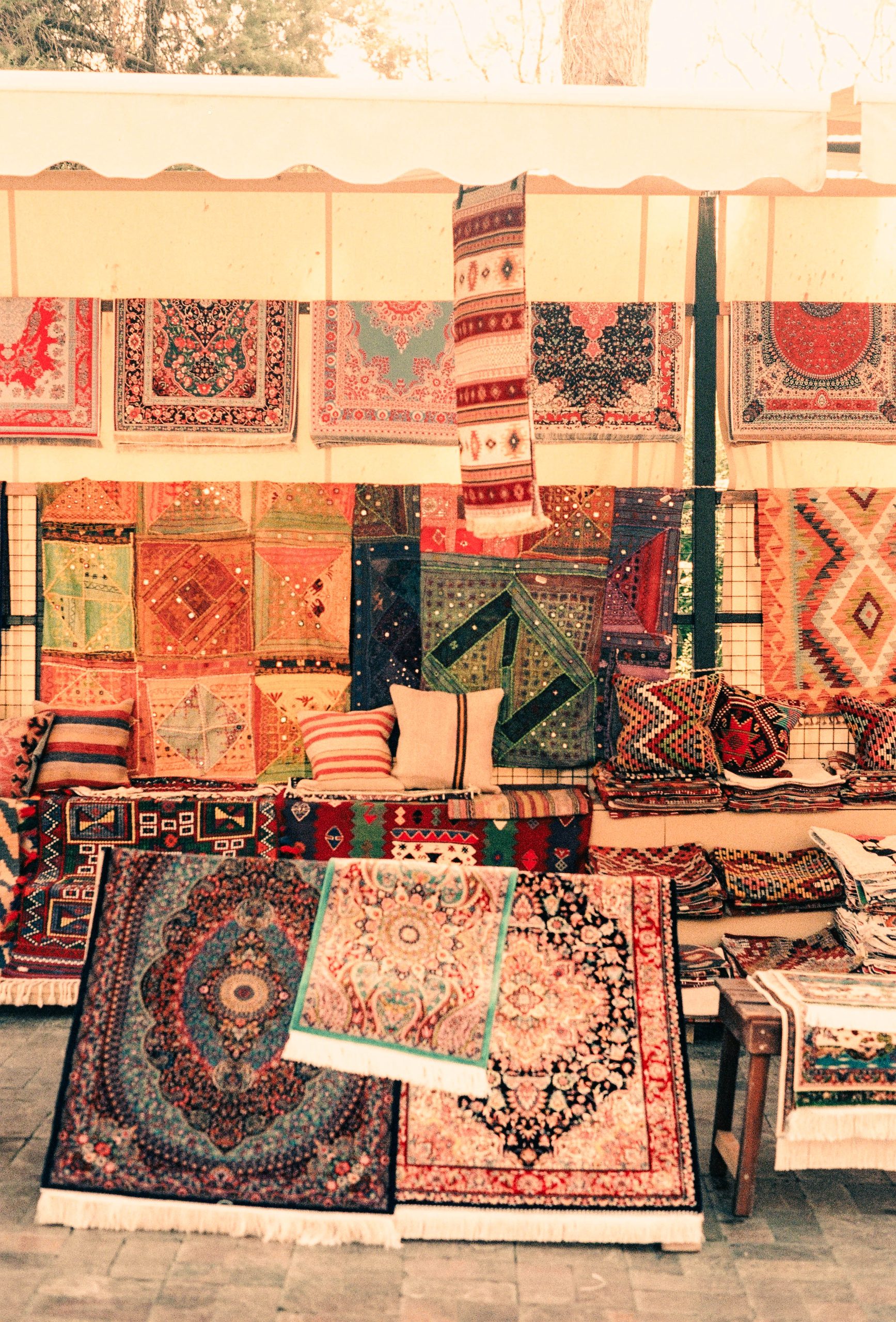
Overcharging in taxis, inflated prices in tourist areas, carpet/shop pressure sales, and unofficial guides

Emergency Numbers

112 (general emergency number)

English Spoken?

Moderate in tourist areas; less common outside major cities

Tap Water Safe?

Generally not recommended for drinking for most travelers; bottled water is widely used. Though tap water in the major cities is treated and considered safe, building pipes can vary and change the taste. Since it’s cheap and widely available, buying bottled water is highly recommended

Outlet Type + Voltage

Type C and F; 230V

Best Ride App

Uber (limited in some areas), local taxis widely used, and BiTaksi is mentioned (I have no personal experience with it)

Public Transport

Good and affordable in major cities (especially Istanbul); intercity buses are very common and reliable, domestic flights are also widely used

Best Months

April–June and September–October — mild temperatures, ideal for cities and coastal travel

Months to Avoid

July–August — especially in inland cities due to extreme heat and crowds in coastal areas

Scroll to Top