Quick Facts
Capital: Bucharest
Currency: Romanian Leu (RON)
Note: As part of the EU, sometimes vendors will accept payments in euros, though this is not widely practiced
Exchange Rate RON: Tue, 2 Jun.
Languages:
Romanian (primary); Hungarian widely spoken in parts of Transylvania, especially in the Székely region; Romani, German, and Ukrainian minority languages also present; English widely spoken among younger people and in tourist areas
Time Zone: EET (UTC+2) / EEST (UTC+3 in summer)
Major Cities
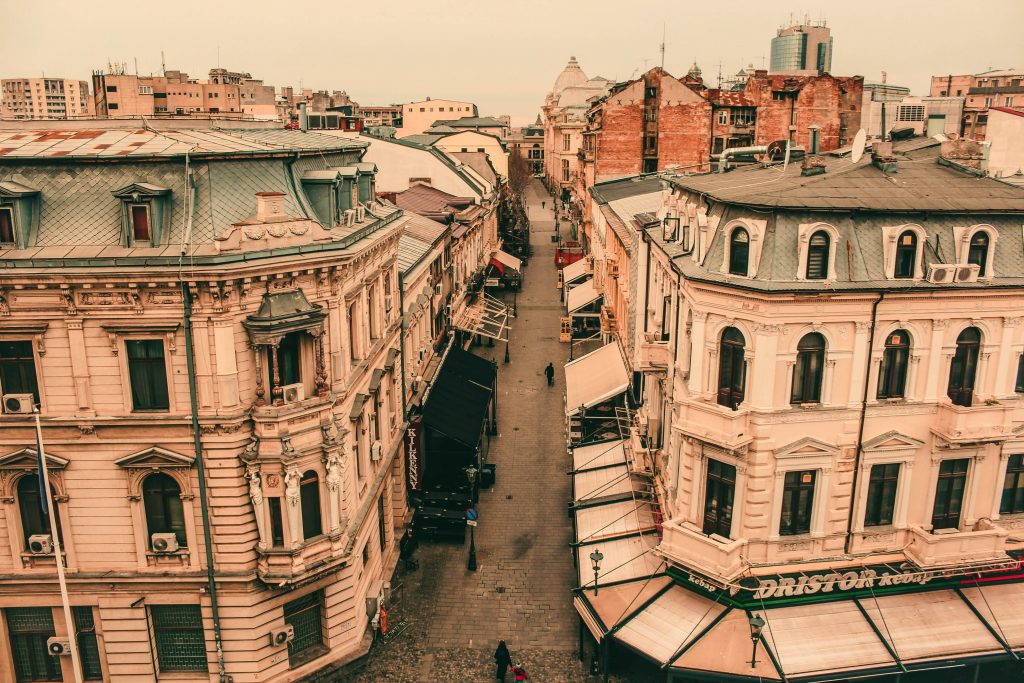
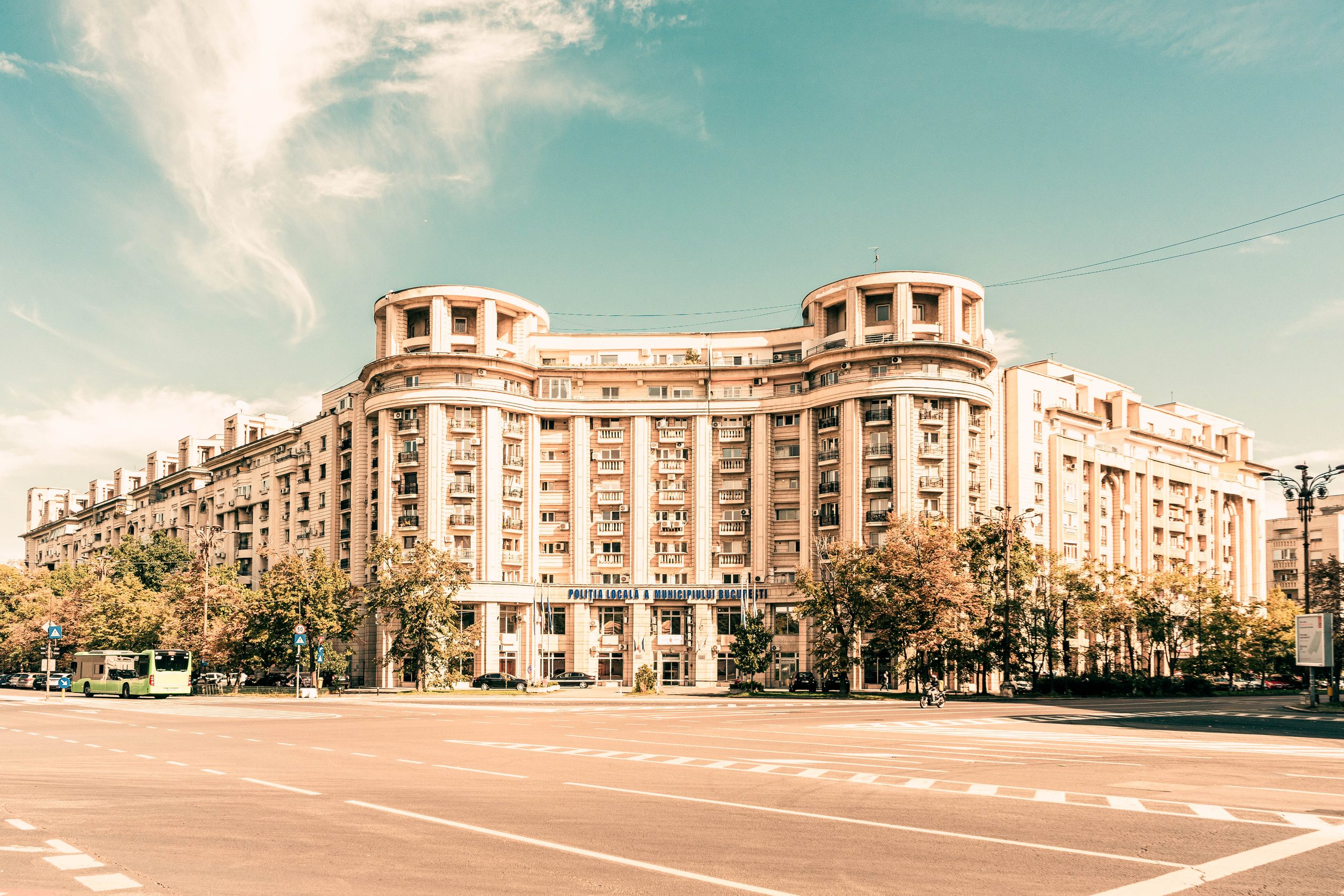
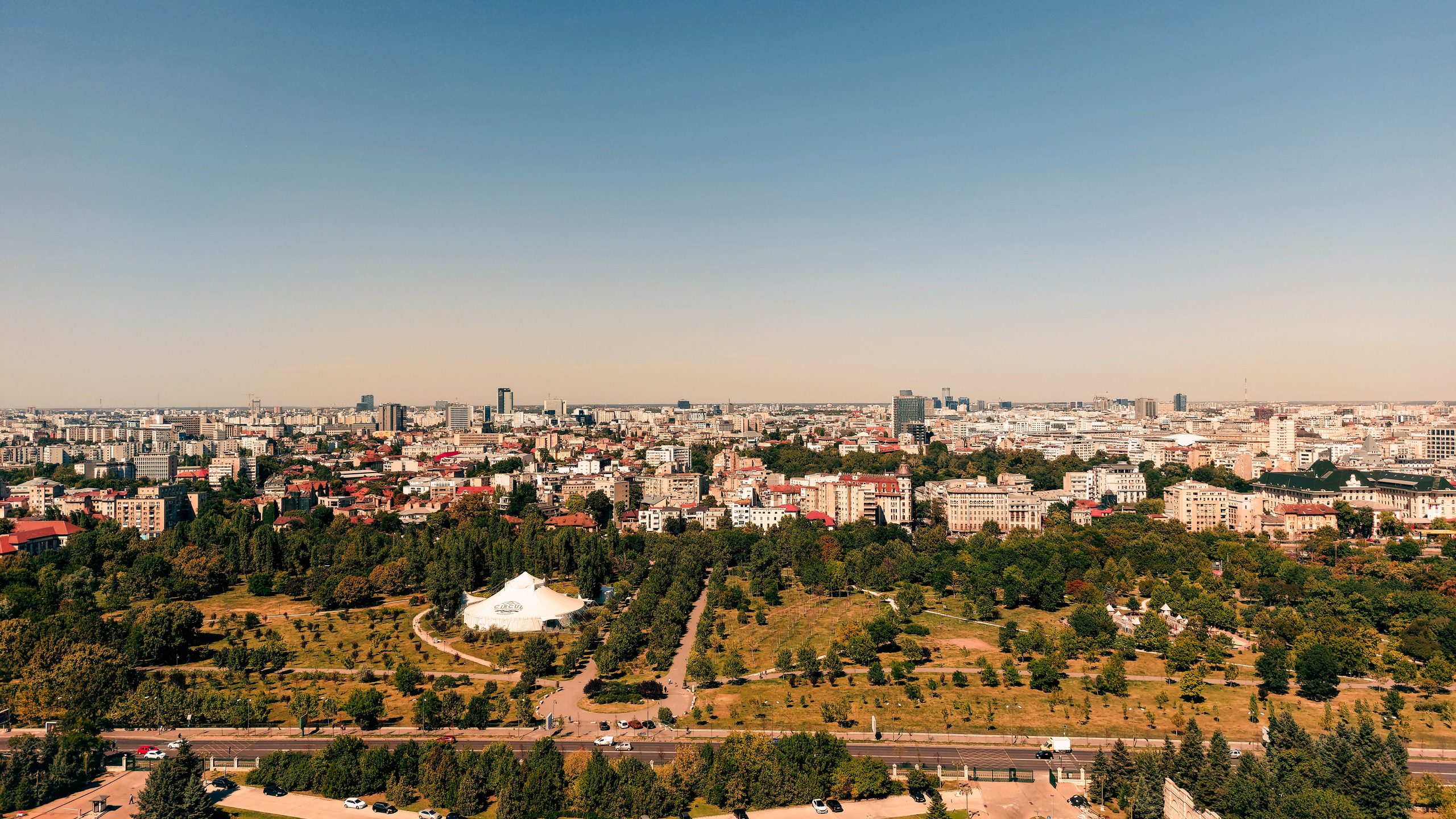
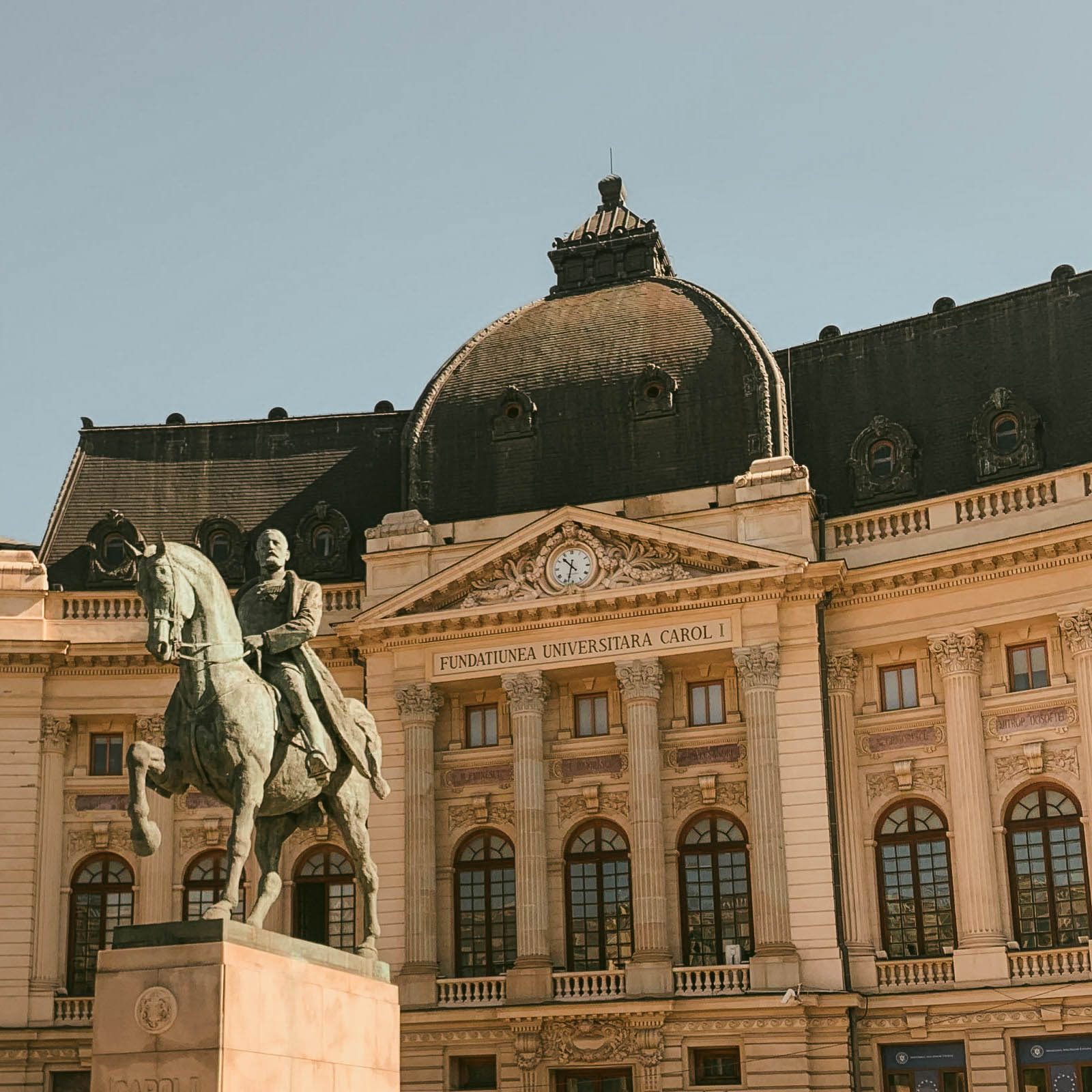
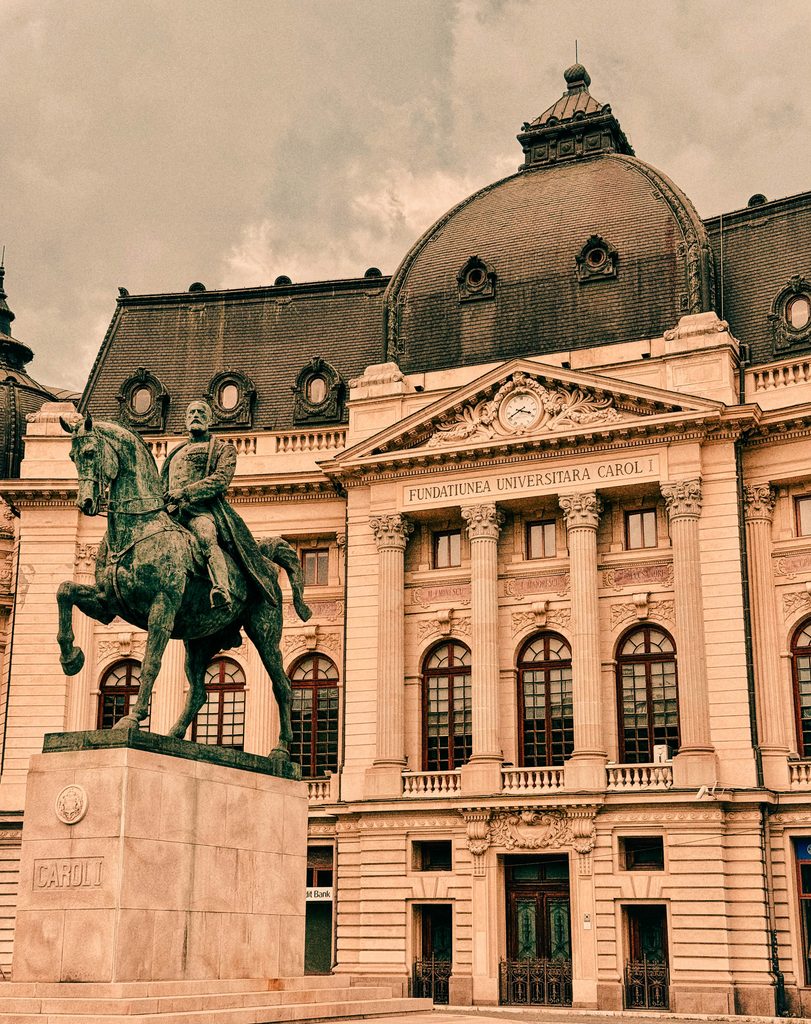
- Bucharest — energetic capital city; nightlife, café culture, large boulevards, and a mix of historic and communist-era architecture. Read all about it here!
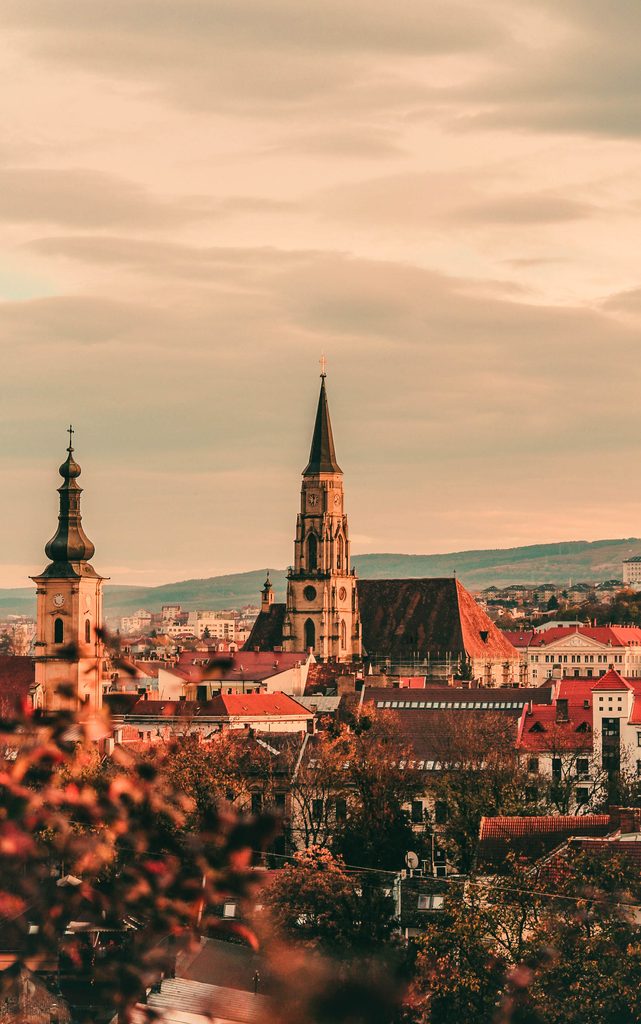
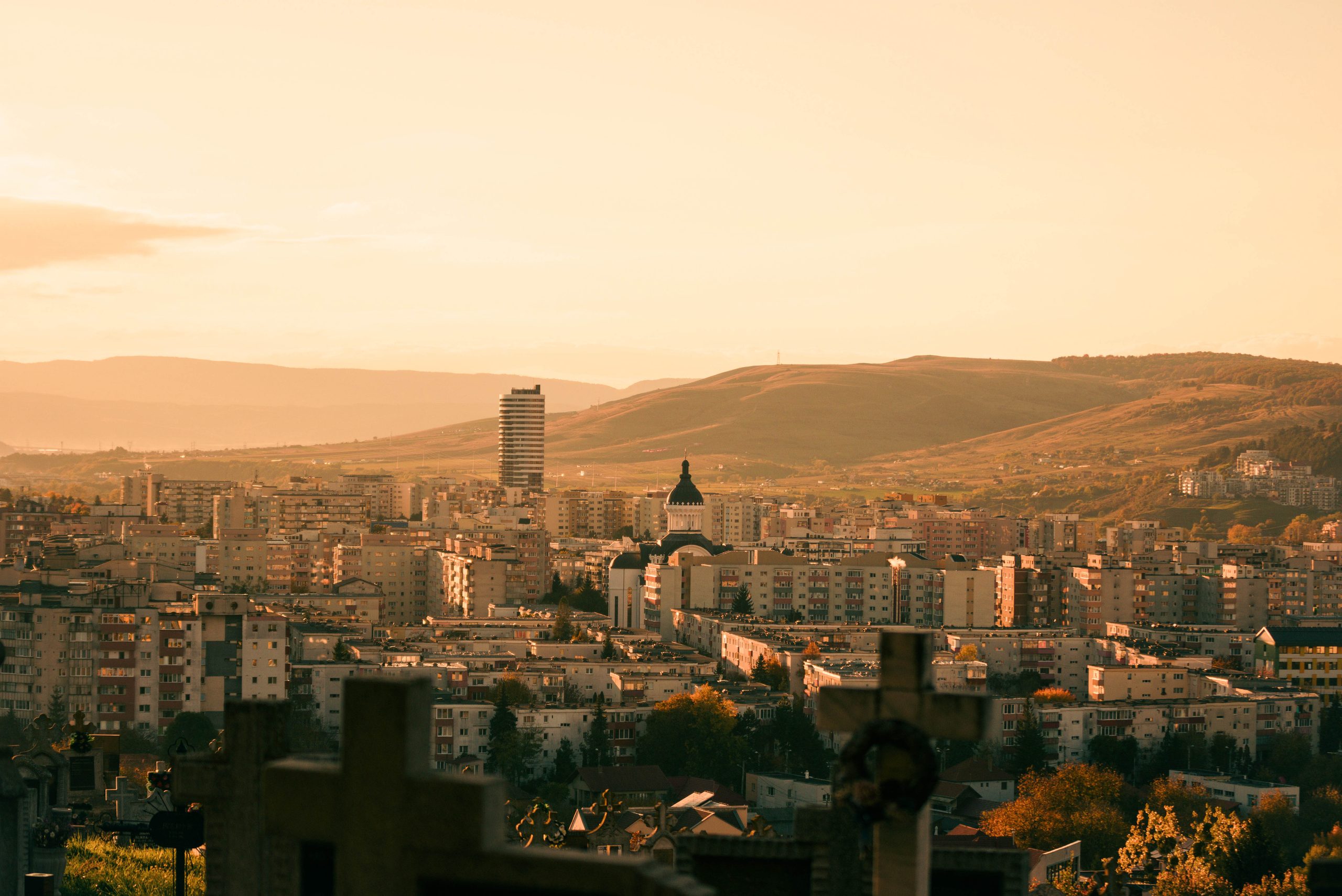
- Cluj-Napoca — modern student city; tech hub, arts scene, younger crowd, and one of the most livable cities in the country
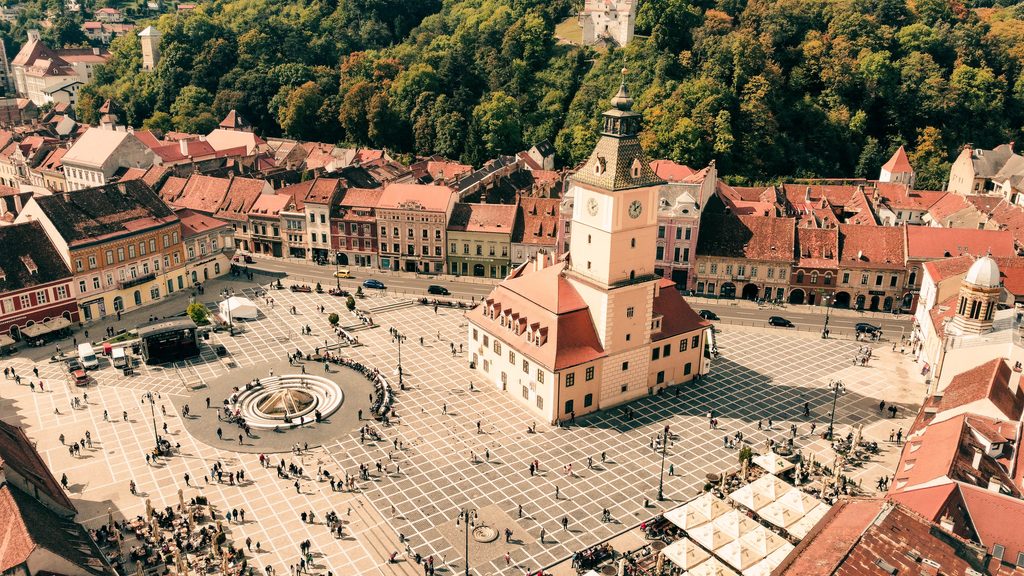
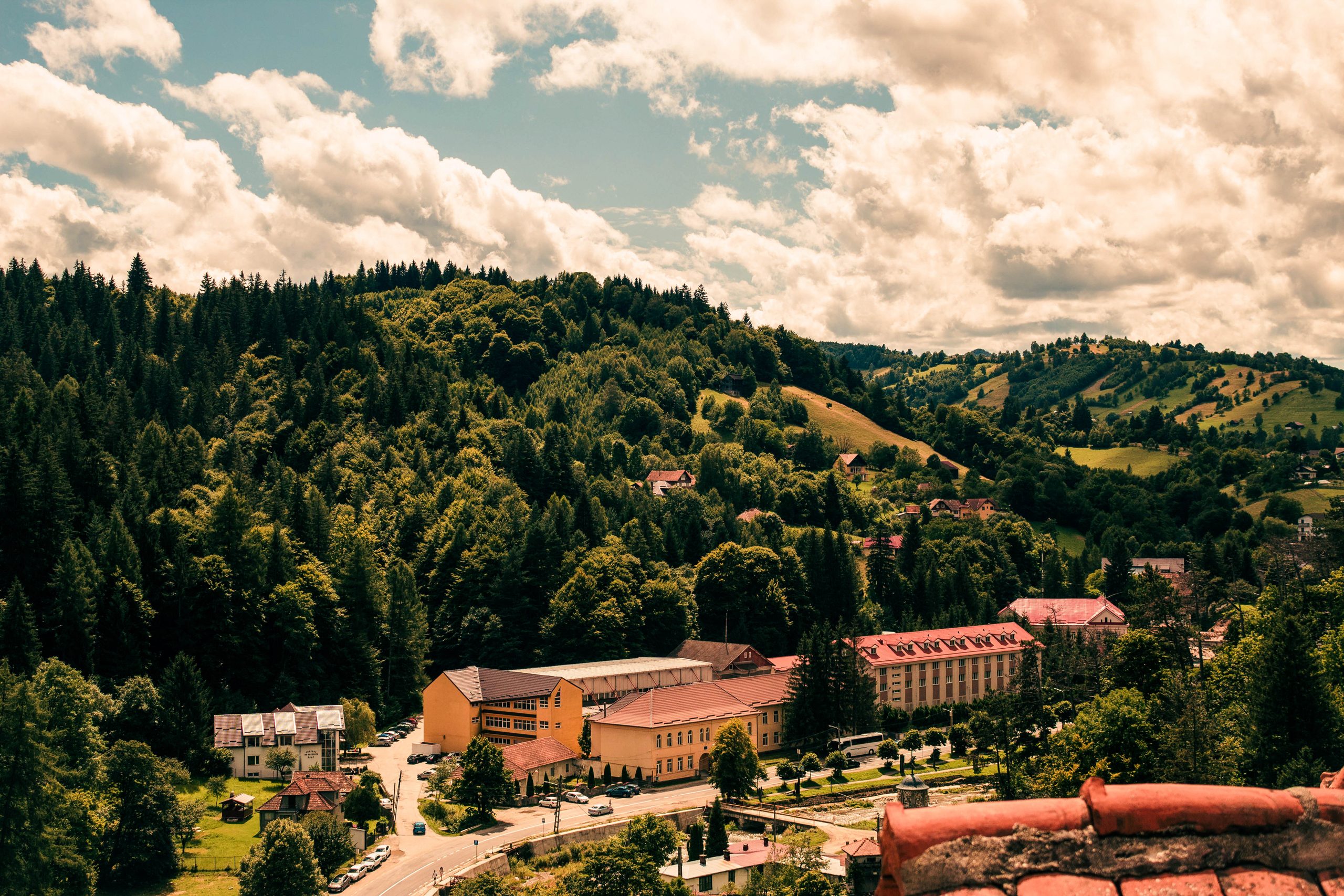
- Brașov — mountain city near Bran Castle; charming old town, hiking access, and strong tourist infrastructure
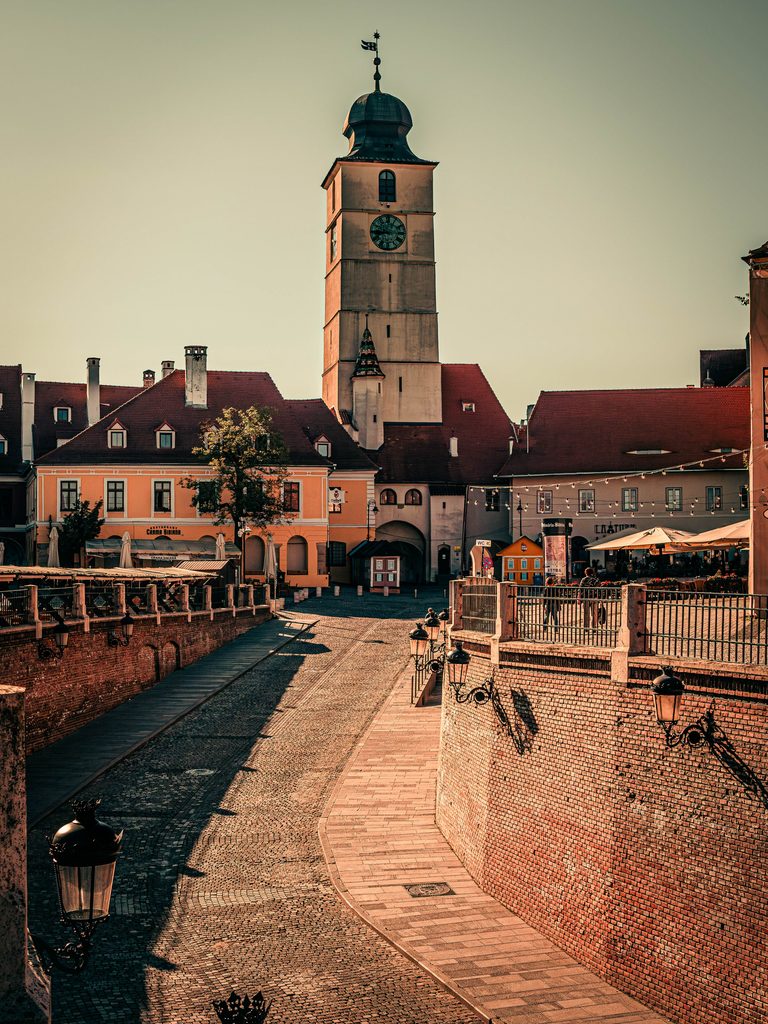
- Sibiu — picturesque Transylvanian city; slower pace, colorful architecture, and cultural festivals
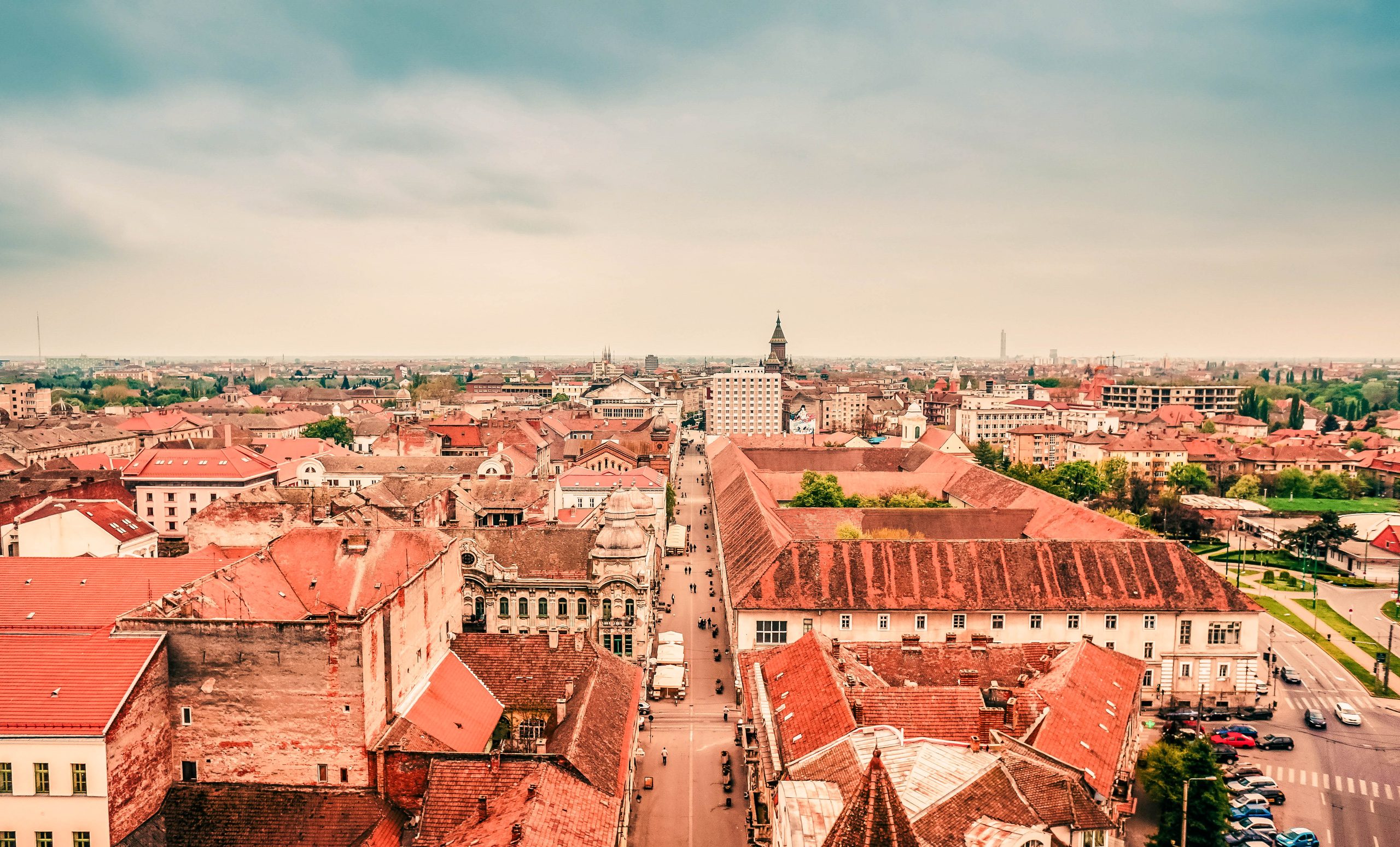
- Timișoara — western Romanian city with Austro-Hungarian influence; walkable, relaxed, and increasingly popular with digital nomads
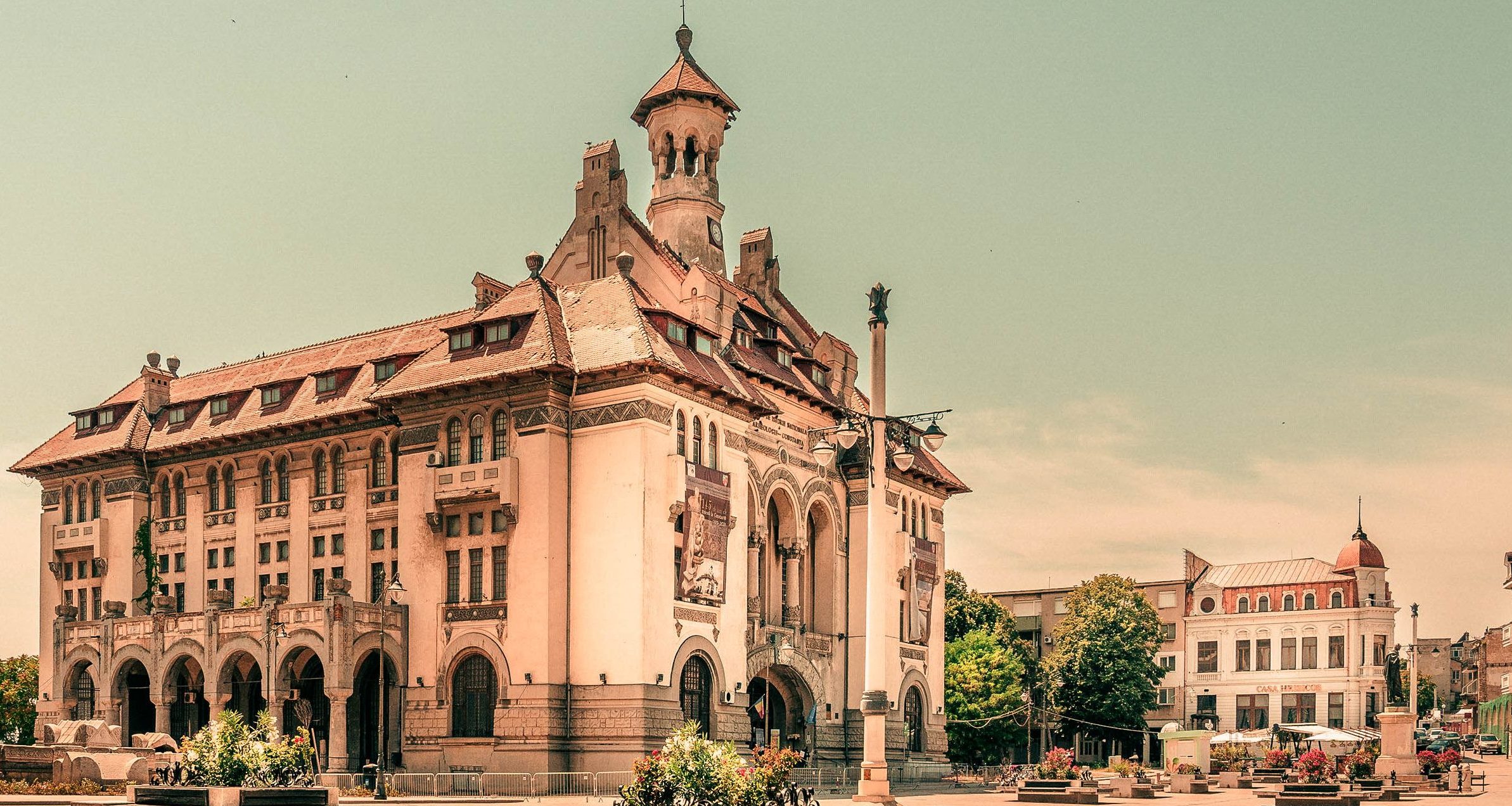
- Constanța — Black Sea coastal city; beaches, summer tourism, and resort access nearby
Articles
Itineraries, dining recs, travel tips, and more to come!
The Ultimate Bucharest Travel Guide
Overview A practical, first-time-friendly travel guide to Bucharest, Romania, whether you’re visiting for a weekend…
Entry Basics
For Visa-Exempt Nationalities
Many travelers (including U.S., UK, EU, Canada, Australia, and several others) can enter visa-free for short tourist stays, commonly up to 90 days within a 180-day period. No ETA is currently required for most of these nationalities, but the EU ETIAS travel authorization is planned to be introduced for visa exempt travelers, so always check current requirements before travel
For Visa-Required Nationalities
Some travelers must apply through a Romanian consulate or embassy for a traditional visa. Processing times vary depending on nationality and location
Tourist Stay Length
Commonly up to 90 days within a 180-day period (Schengen rule)
Proof of Onward Travel Required?
Sometimes requested by airlines or border control. I have not personally had this happen yet
Travel Insurance Needed?
Not required for many travelers, but recommended
Money + Payments
Cards vs Cash
Cards are widely accepted in cities and tourist areas, but cash is still useful in smaller towns, markets, and rural regions
Tipping Culture
Common in restaurants and cafés; around 10% is typical if service was good. In more tourist-heavy areas, you’ll occasionally see suggested tips set at 15%-20%
ATM Access
Good in cities and towns; widely available
Safety Info
Overall Safety
Generally considered one of the safer countries in Europe for travelers, with relatively low violent crime rates
Solo Female Traveler Friendly?
Generally yes, especially in major cities and tourist areas, with standard urban awareness recommended
LGBTQ+ Friendly?
Mixed socially; larger cities tend to be more open-minded, while more conservative attitudes are common in some rural areas
Main Tourist Scams to Watch For
Taxi overcharging, currency exchange scams, and occasional pickpocketing in crowded tourist areas
Emergency Numbers
112 (general emergency number)
Daily Logistics
English Spoken?
Fairly common among younger people and in tourism-related businesses; less common in rural areas
Tap Water Safe?
Generally safe to drink in cities
Outlet Type + Voltage
Type C and F; 230V
Best Ride App
Bolt and Uber are widely used in major cities
Public Transport
Good in larger cities; intercity trains are affordable but can be slow depending on the route
Best Time to Visit
Best Months
May–June and September–October — pleasant temperatures, fewer crowds, and good weather for cities and hiking
Months to Avoid
January–February — if you dislike cold weather or snow outside ski travel