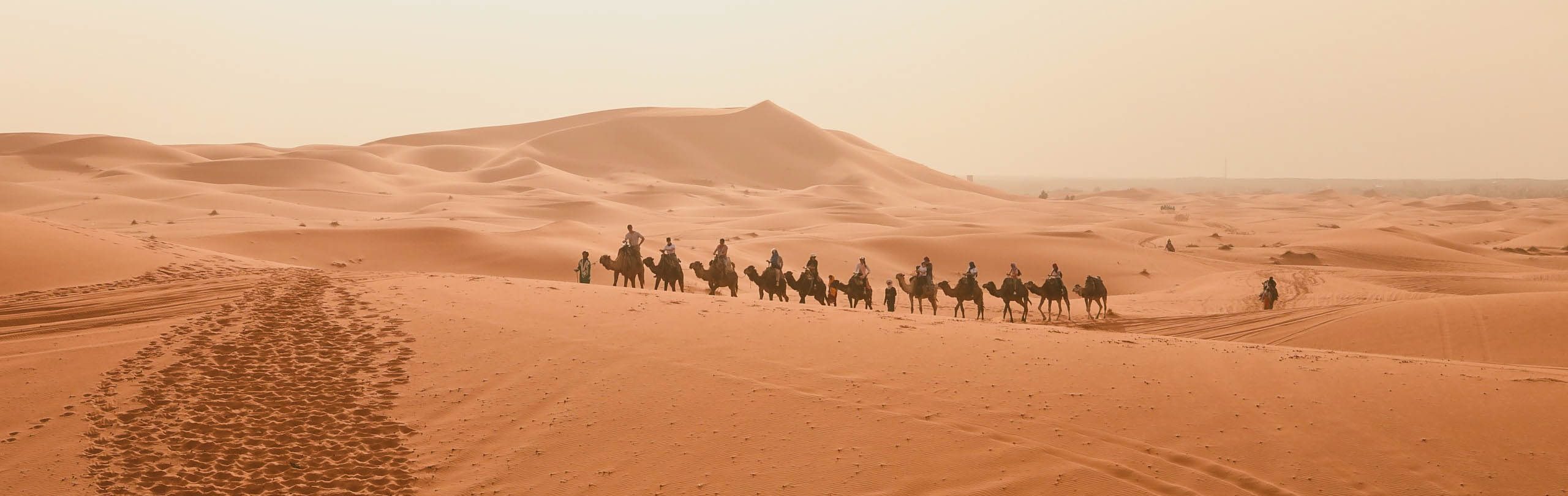
Camels Walking Through Desert

North Africa

Morocco

Having lived here for over 2 years, I had the time to explore much of what Morocco has to offer. Incredible natural beauty, exquisite food, a rich culture… Morocco will always hold a special place in my heart.
That said, it can have its challenges, especially as a solo female traveler.
Here you’ll find my guide to the many places in Morocco that I visited, along with some honest, transparent guides on what to expect in terms of safety and well-being.

Capital: Rabat

Currency: Moroccan Dirham (MAD)

Exchange Rate MAD: Tue, 2 Jun.

Languages:

Arabic, Darija (Moroccan Arabic), Amazigh (Berber), French widely used; Spanish more common in the north

Time Zone: GMT+1

Note: The time zone changes to GMT during Ramadan

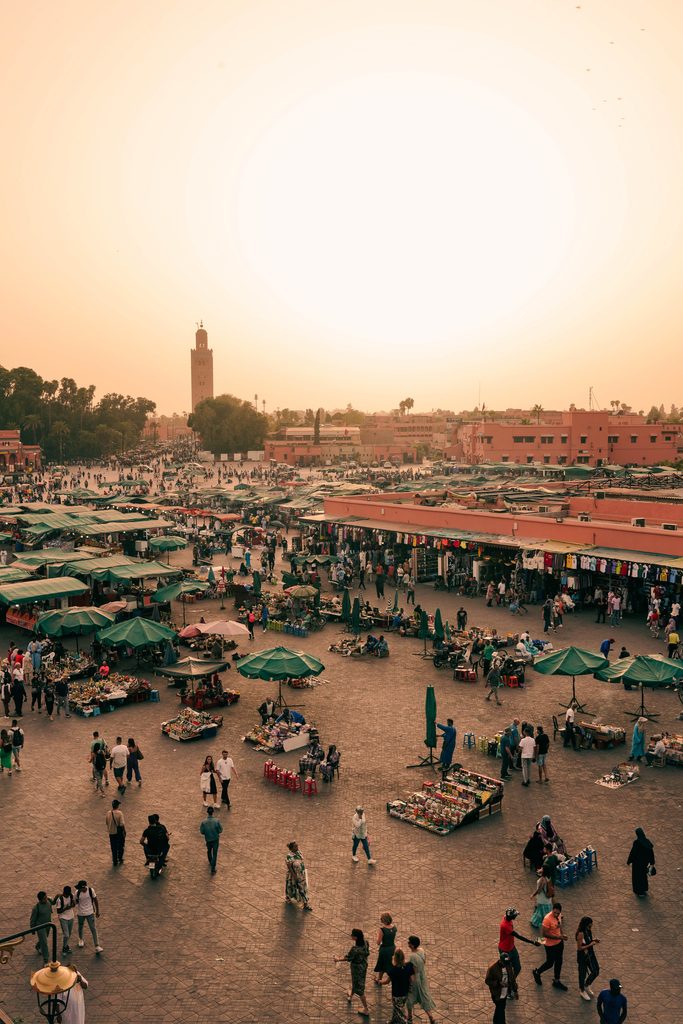
  • Marrakech — popular base camp for first-time visitors, desert tour launching point, luxury stays
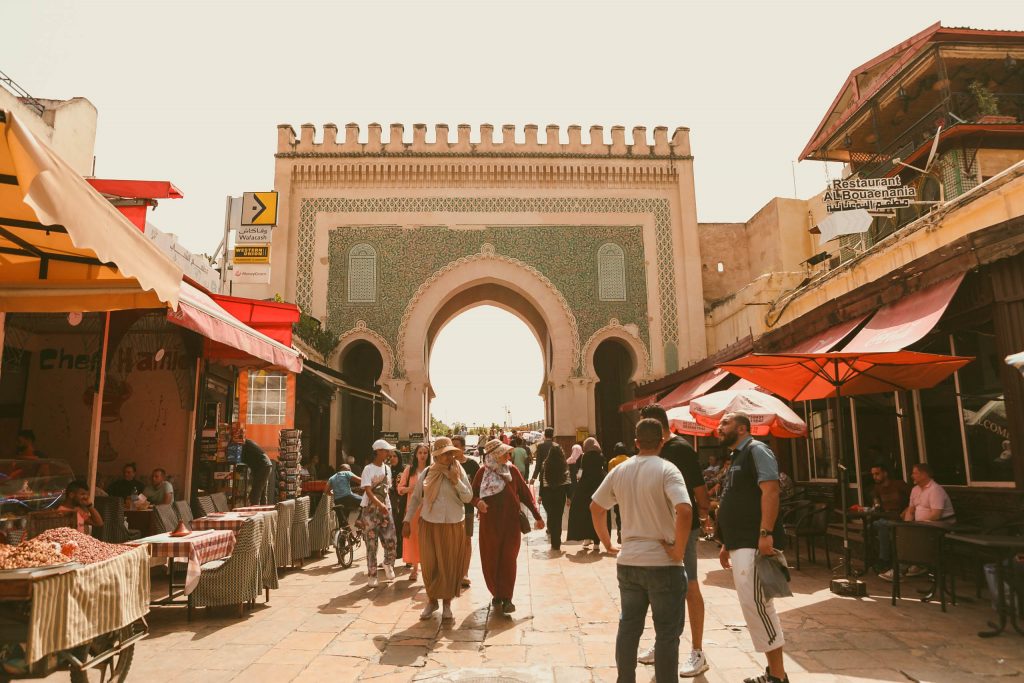
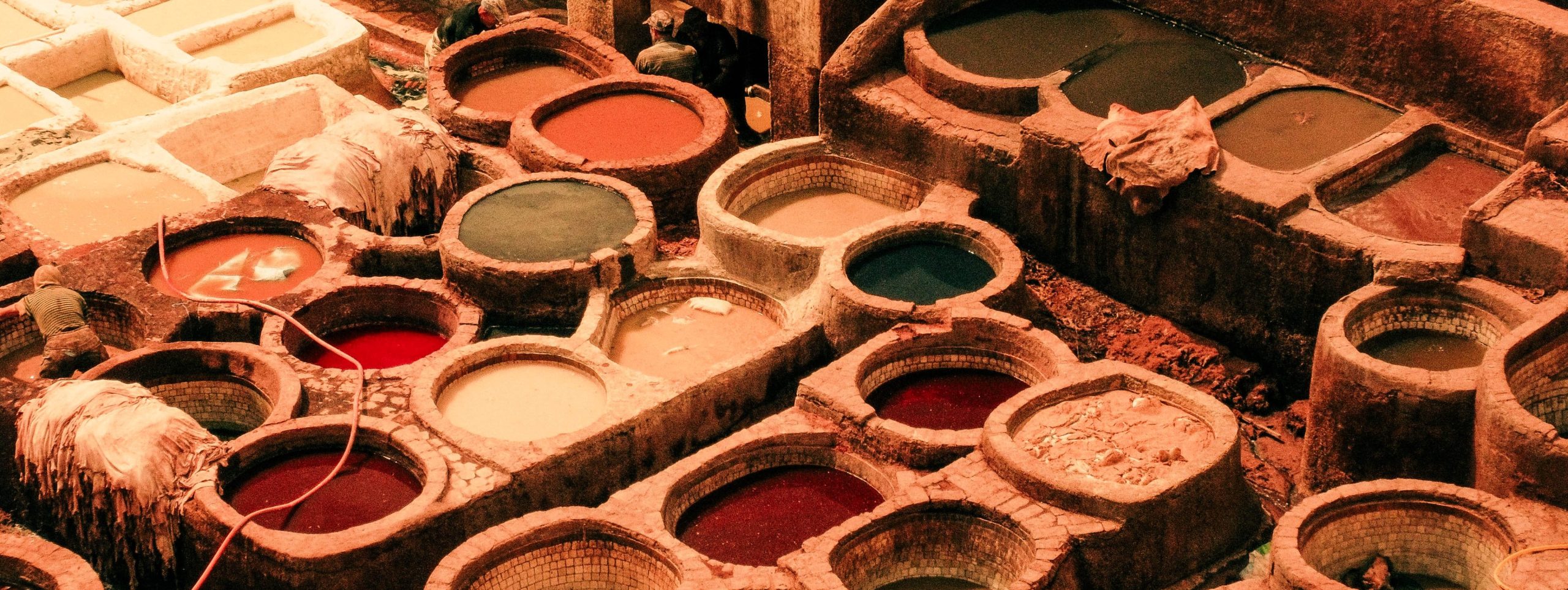
  • Fes — rich history, traditional medina experience, culture, old-world Morocco
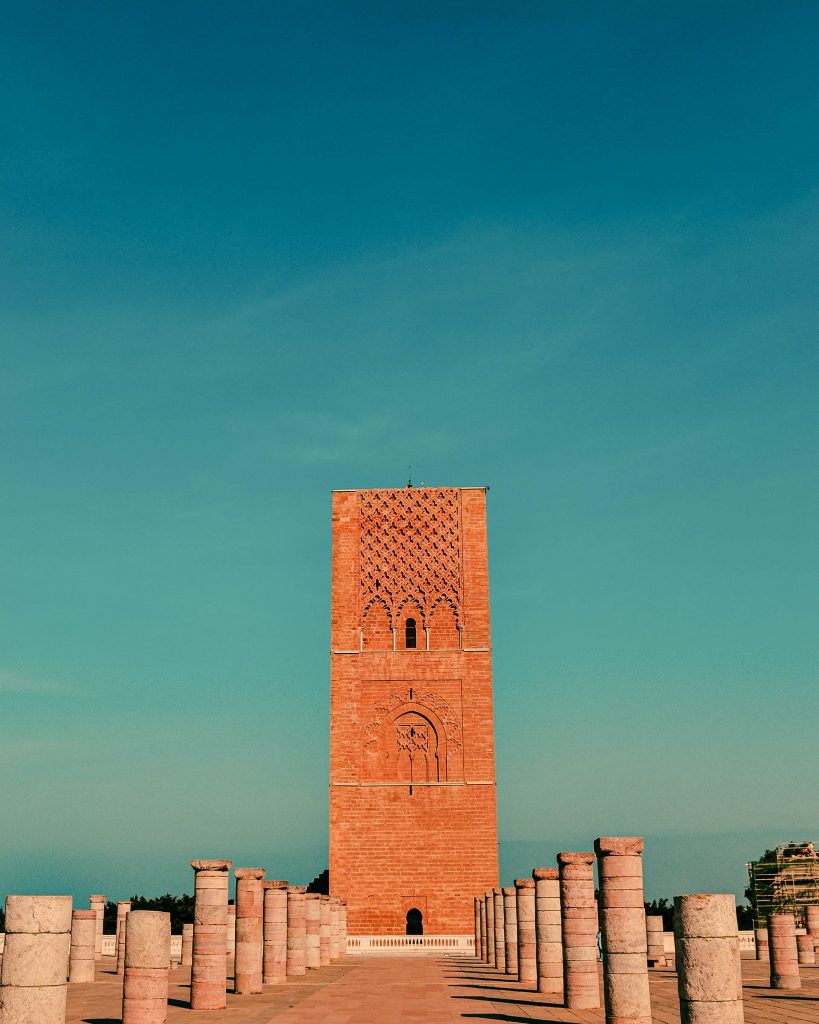
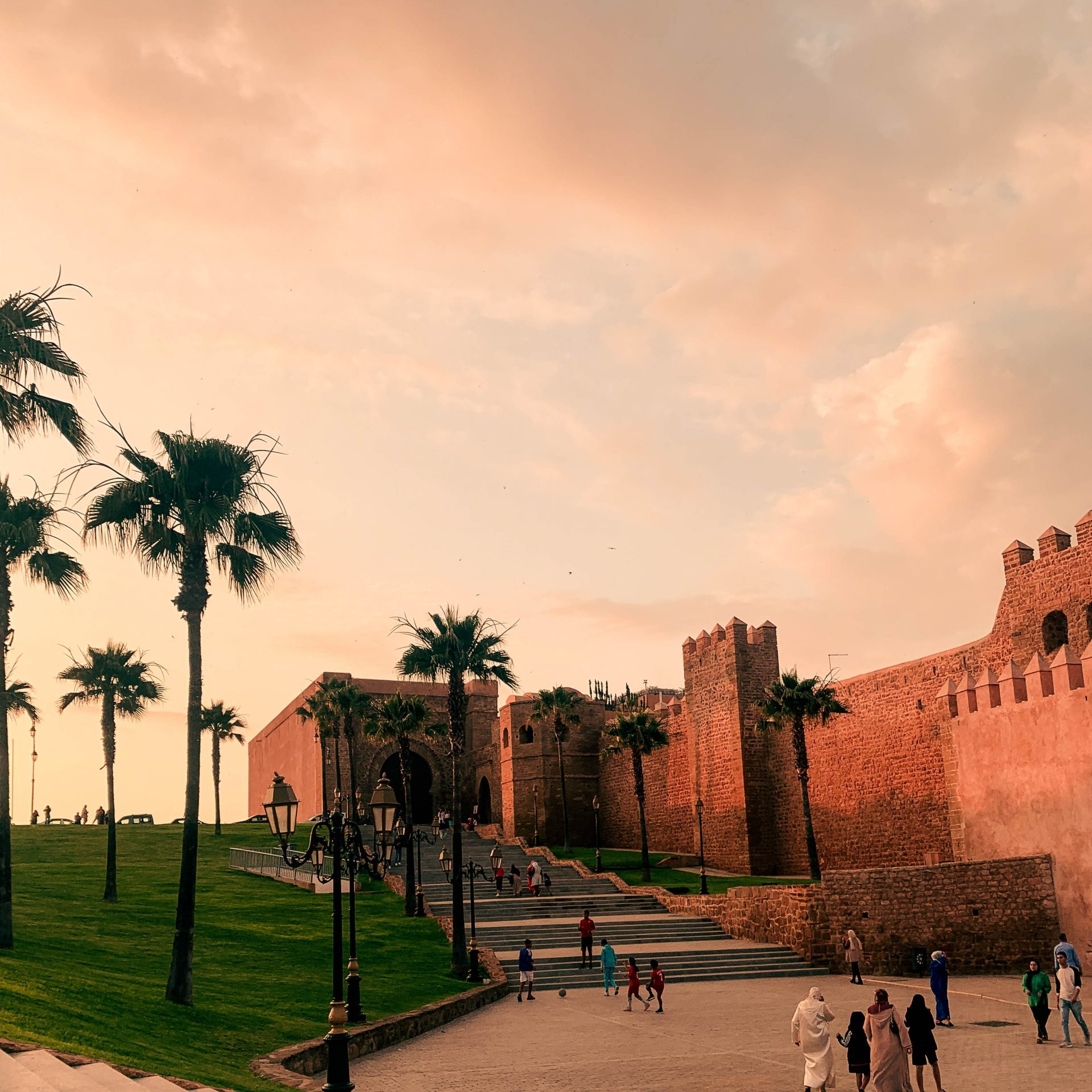
  • Rabat — calmer capital city, cleaner and more relaxed than Marrakech, great for slower travel and a more local feel (my personal favorite — read about it here!)
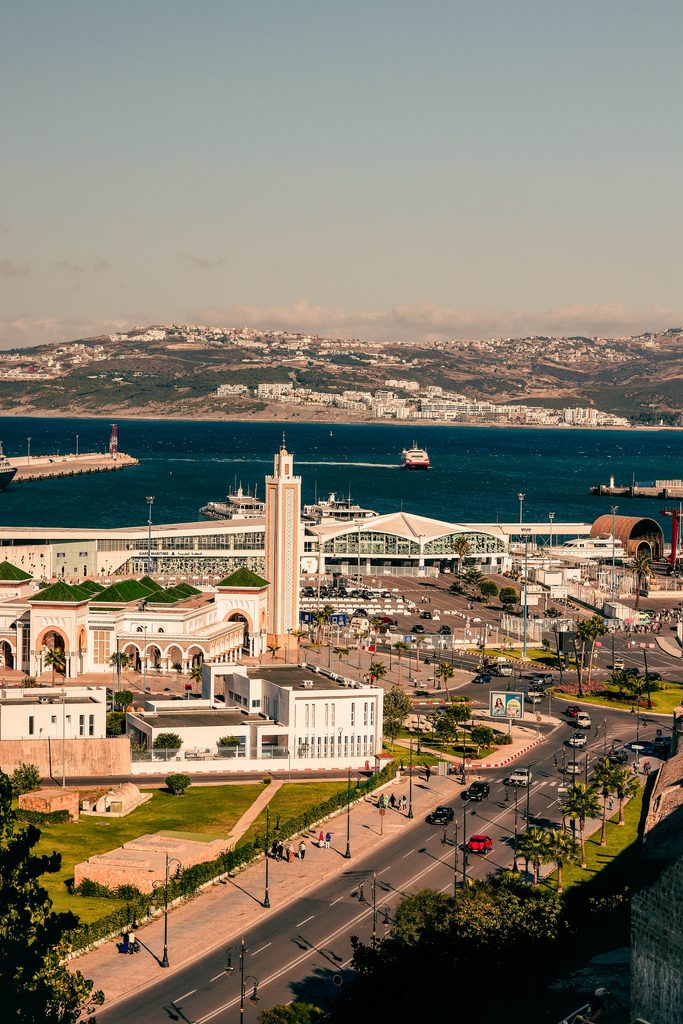
  • Tangier — coastal city, Europe access, Mediterranean vibe
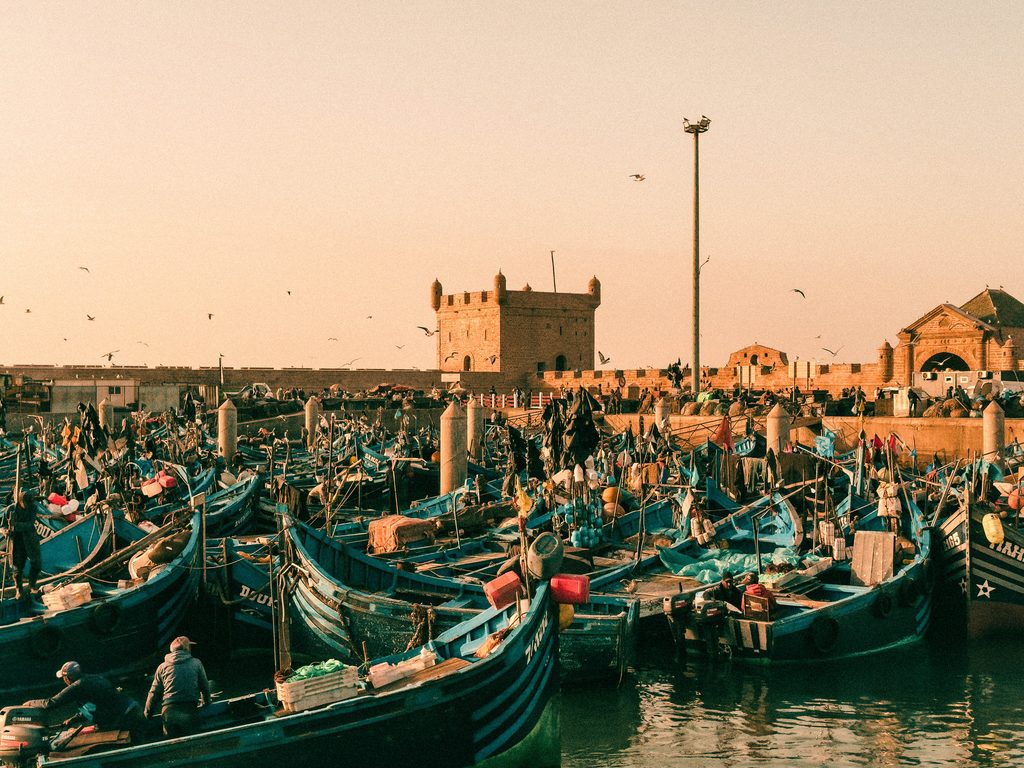
  • Essaouira — relaxed beach town, surfing, slower pace

Itineraries, dining recs, travel tips, and more to come!


For Visa-Exempt Nationalities

U.S. travelers and many nationalities (including much of Europe, the UK, Canada, Australia, and several Gulf countries) generally do not need a visa for short tourist stays, usually up to 90 days. No ETA is typically required—just a valid passport and sometimes proof of onward travel

For Visa-Required Nationalities

Some travelers must apply in advance either through Morocco’s eVisa system (available for certain eligible nationalities and some travelers with qualifying residence permits or visas) or through a Moroccan consulate or embassy for a traditional sticker visa. Morocco does not offer broad visa-on-arrival access, and ETA-style entry is limited. Processing can range from a few business days for eVisas to several weeks for consular visas, so checking your nationality early is important

Tourist Stay Length

Usually 90 days

Proof of Onward Travel Required?

Sometimes requested—best to have it

Travel Insurance Needed?

Not usually required for entry, but recommended

Cards vs Cash

Largely a cash-only country. Cards work in hotels, nicer restaurants, and larger businesses, but cash is used most often—especially for taxis, souks, smaller restaurants, tips, and smaller cities

Tipping Culture

Not common outside of tourist-heavy areas; small tips are normal for restaurants, guides, taxis, hotel staff, and porters, but not mandatory

ATM Access

Easy in major cities; smaller towns are less reliable

Overall Safety

Generally safe for tourists, but requires normal big-city awareness

Solo Female Traveler Friendly?

Manageable, but street harassment is very common

LGBTQ+ Friendly?

Conservative social norms; same-sex relations are criminalized under Moroccan law, so discretion is strongly advised

Main Tourist Scams to Watch For

“Helpful locals” leading you somewhere and then demanding money, fake guides, taxi overcharging, and aggressive market pricing

Emergency Numbers

Police: 19 (or 112 from mobile), Fire: 15, Ambulance: 150, Royal Gendarmerie: 177

English Spoken?

Somewhat—easy enough in tourism-heavy places, much less outside them. French helps a lot, and so does Modern Standard Arabic

Tap Water Safe?

Tap water is generally treated and considered safe in major cities, but many travelers still prefer bottled or filtered water—especially for short trips, sensitive stomachs, or in smaller towns and rural areas where quality can be less consistent

Outlet Type + Voltage

Type C and E plugs, 220V

Best Ride App

Petits taxis are common; rideshare availability is limited compared to Europe/LatAm; inDrive is used in major cities but it is technically illegal

Public Transport

Good trains between major cities, including the bullet train between Tangier and Casablanca; city transport varies widely by destination. Rabat and Marrakech have decent public transport systems, but they can be unreliable and unwieldy if you aren’t a local

Best Months

  • March–May — warm days, cooler nights, spring blooms, ideal for cities and desert trips
  • September–November — still sunny, less intense heat, great for coastal cities and walking-heavy trips

Months to Avoid

July–August if you hate extreme heat, especially inland. Marrakech in summer can be brutally hot, and air condition can be hard to find. Coastal cities like Essaouira and Tangier are much more comfortable in the summertime

Scroll to Top