The Ultimate New Orleans Travel Guide
Overview
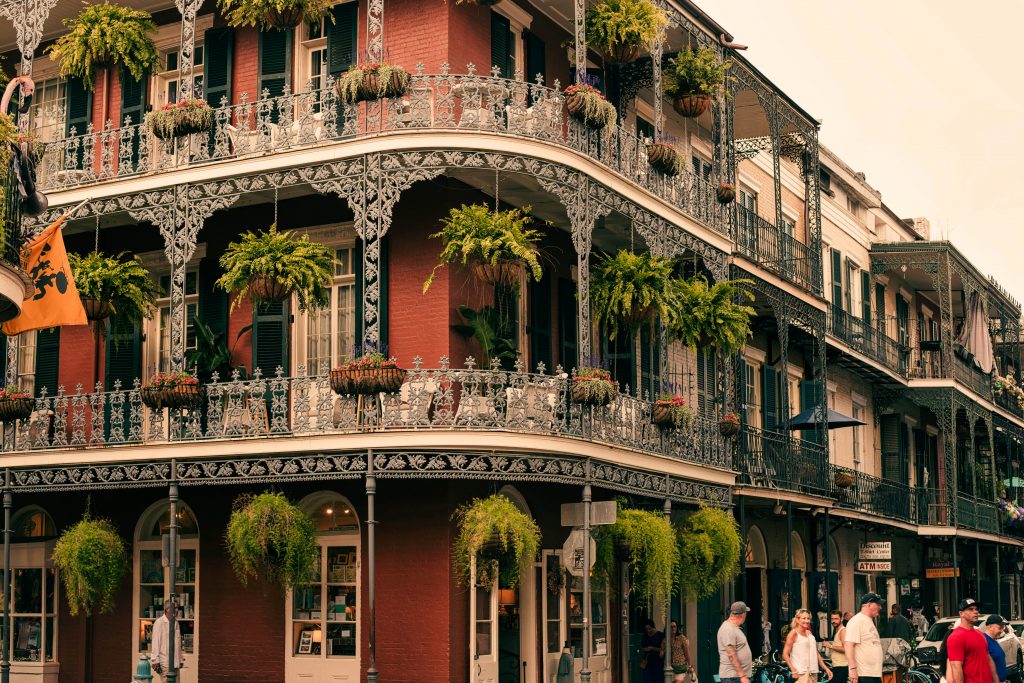
Known for its legendary Mardi Gras celebration, the festive, vibrant French Quarter, and the notorious party scene of Bourbon Street, New Orleans is a city rich in life and culture. I truly believe there’s something here for everyone. You just have to know where to look.
I lived here for a bit and got the chance to explore many of the sights the Big Easy has to offer. I created this guide as a resource for anyone visiting New Orleans—a one-stop guide to navigating the city and finding the best spots to explore.
History
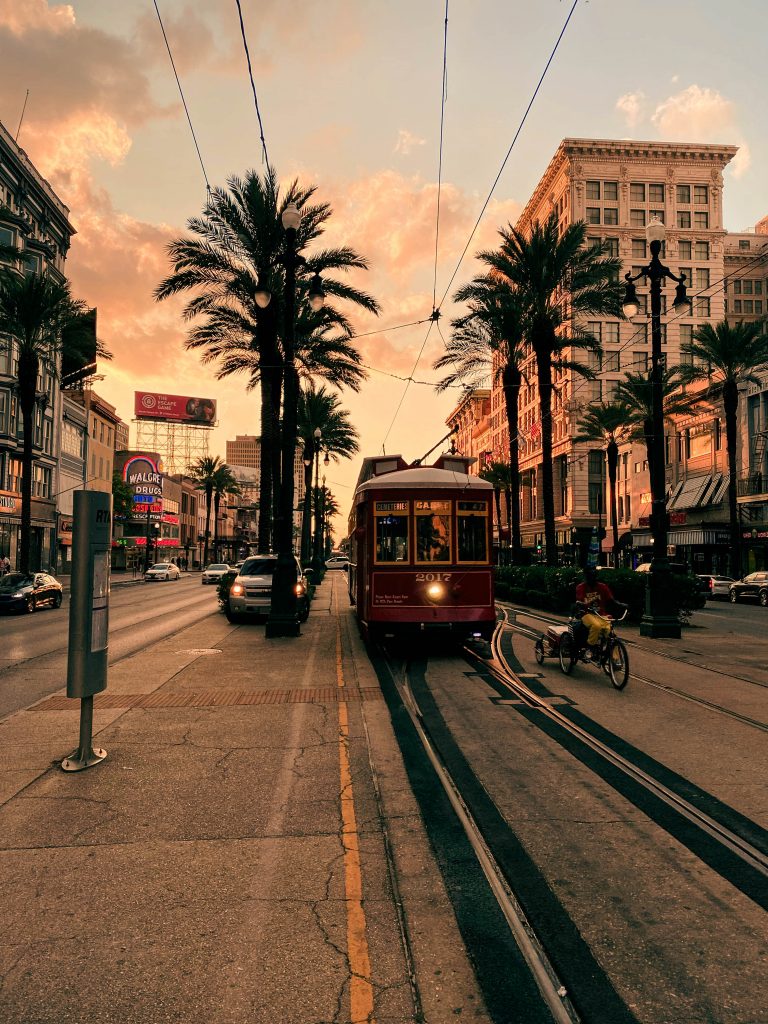
New Orleans was established as a French port along the Mississippi River in 1718. The city grew into a melting pot of cultures, shaped by colonization, the slave trade, and the Indigenous communities of the area.
It became part of the U.S. in 1803 following the Louisiana Purchase, which nearly doubled the country’s size overnight. Following its incorporation into the United States, New Orleans became an important economic hub and the largest port in the American South, known for its massive cotton exports.
In the 1920s, New Orleans became known as the “birthplace of jazz” as Louis Armstrong rose to fame and the genre gained widespread popularity. The city was also shaped by national movements such as the Civil Rights Movement and the desegregation efforts of the mid-20th century, as well as devastation from hurricanes and severe flooding. The most well-known of these disasters was Hurricane Katrina in 2005, during which roughly 80% of New Orleans flooded, leading to widespread loss of life and destruction of infrastructure. The devastation of Hurricane Katrina still impacts the city today as it continues to recover from the emotional, physical, and economic damage.
Today, New Orleans is a remarkable city that welcomes millions of tourists each year, particularly for major events like Mardi Gras, the New Orleans Jazz & Heritage Festival, and the Super Bowl. While this doesn’t negate the political and economic struggles the city faces today, New Orleans remains an incredible, resilient place and a vibrant cultural hotspot.
Culture
The Big Easy is famous for its laissez-faire spirit. Things move at a slower pace in New Orleans than you might expect from other big cities (think the French tradition of a long, luxurious lunch). You’ll find most people are warm and welcoming, even in passing. There’s a real sense of community and camaraderie among locals, and even as a visitor, you’ll likely experience that famous Southern hospitality for yourself.
I’ve personally never felt more welcomed or more a part of a community than while watching the Mardi Gras parades along St. Charles Avenue. People were kind and generous, often offering drinks and refreshments to their neighbors, striking up friendly chats, and generally looking out for one another.
Language
English is the main language spoken in New Orleans. There are also notable Spanish- and Vietnamese-speaking communities. Due to its history of colonization, there are also French speakers, including Cajun French and Louisiana Creole, a distinct language that evolved from French, African, and Native American roots.
Food + Drink
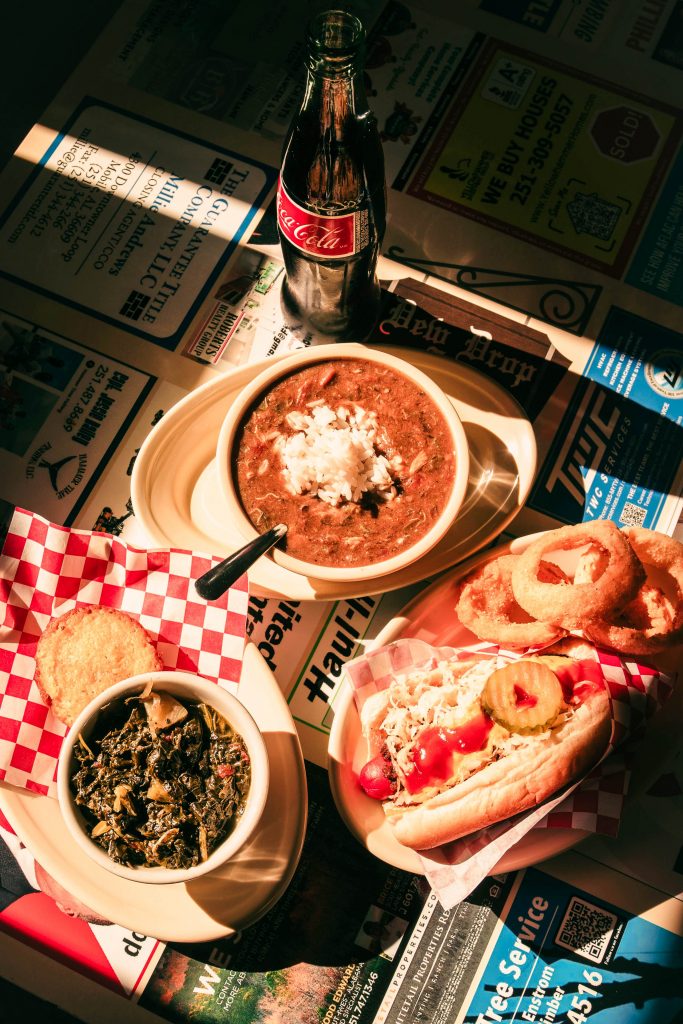
New Orleans is famous for many things, one of which is its food scene. There are many fabulous dishes unique to the South, Louisiana, and New Orleans itself that it can feel impossible to try them all: shrimp and grits, bread pudding, red beans and rice, gumbo, bananas foster, and more.
Some popular restaurants offer buffet-style meals, making it easier to try a bit of everything. If you have the time, though, I’d recommend going to places known for doing one thing well instead of trying to fit everything in at once. I’ve listed only a few, but honestly, just about any Cajun, Creole, or Southern spot in the city is worth a try.
Must‑Try Dishes
- Po’boys: A New Orleans classic, the po’boy’s history is somewhat debated, but the most widely accepted story is that it was invented in 1929 by the Martin brothers, Benny and Clovis, to feed striking streetcar drivers. Originally conceived as roast beef and gravy on a French roll, the modern-day po’boy scene has many variations (enough to justify the annual Oak Street Po-Boy Festival), though at its core, a true po’boy is still a hearty sandwich served on local French bread, often “dressed” (topped with mayo, lettuce, pickles, and tomatoes).
- Beignets: A legacy of French colonization, beignets are fried dough squares topped with powdered sugar. In New Orleans, they are traditionally enjoyed paired with cafe au lait –a tradition likely popularized by the iconic Cafe du Monde. Like po’boys, there are many variations of beignets throughout the city, including savory options, with Loretta’s Authentic Pralines offering some of the best (their praline beignet, unsurprisingly, is to die for).
- Muffulettas: Another sandwich special to New Orleans, the muffuletta is a combination of Italian meats, cheeses, and olive salad on a sesame loaf (also called a muffuletta).It was brought to New Orleans by Sicilian immigrants, and is often credited to the early 1900s owner of Central Grocery, where you can still order one today. It’s a delicious, filling meal that can be served hot or cold.

Classic Drinks
- Café au Lait: Famously paired with beignets from Café du Monde, café au lait is coffee made with milk (“lait” means “milk” in French). Typically, you’ll also find coffee with chicory, like at Café du Monde, which adds an extra punch of flavor and makes for a very comforting drink.
- Hurricanes: Created at Pat O’Brien’s in the 1940s, a Hurricane is a sweet rum cocktail made with orange juice, passionfruit, lime or lemon juice, and grenadine or simple syrup. It’s extremely sweet to mask the copious amounts of alcohol in it, but it’s worth a try, especially if you find yourself at Pat O’Briens (which you should).
Safety Info
What to Expect
Personally, during my months living in New Orleans, I never felt unsafe,even though I made some choices that would have felt extremely risky in other cities.
For example, I once walked home for over an hour from the Marigny to Central City at around 1 a.m. Most people, especially women, would have chosen to find a ride home, which is fair. I didn’t, and while my guard was certainly up, I never truly felt in danger. Not that I would recommend doing this, but more to point out that New Orleans’ reputation for being very dangerous is largely undeserved.
That said, while I’m not a New Orleans local, I am American, so I recognize the comfort and advantage of being in my own country versus being a foreigner in another.
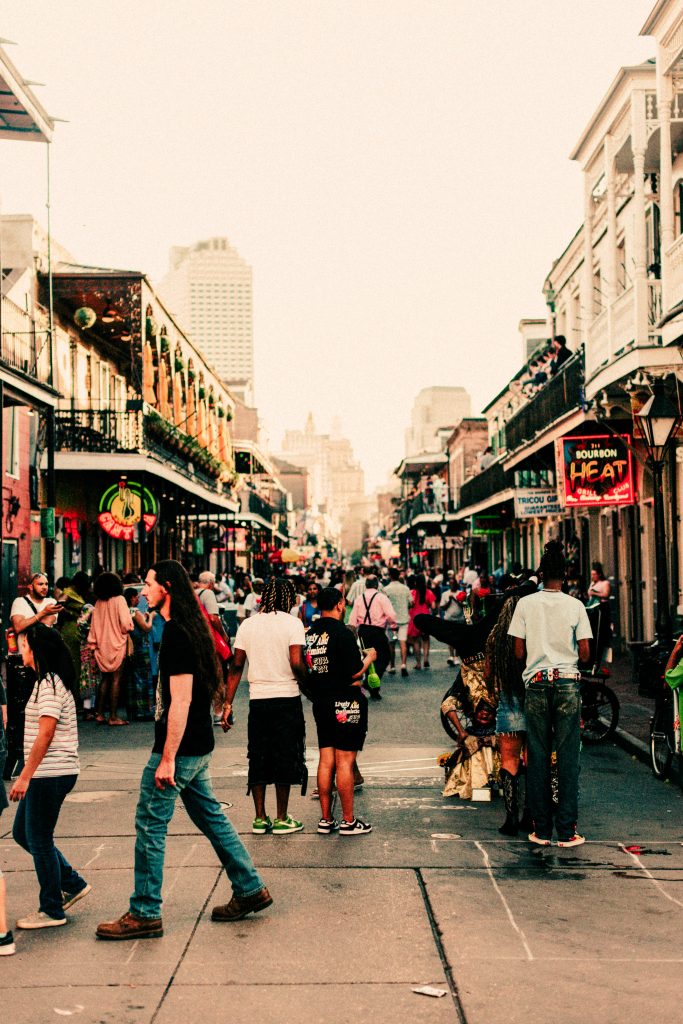
Still, most of the safety issues you’ll hear about in New Orleans tend to center around the French Quarter, where tourists may be targeted for scams, and Bourbon Street. Legendary for its adult-only activities and the swell of crowds on weekend nights, Bourbon Street is a place where you should keep your guard up. There may be pickpockets taking advantage of the crowds, but more often it’s simply a place full of drunken revelers, and it’s easier for things to go south when people aren’t in full control of their faculties.
Still, Bourbon Street is worth visiting at least once, if only to say you did. Just exercise some caution, don’t get blackout drunk if you can help it, and be ready to have a good time.
Common Scams to Avoid
Some of the most common scams in New Orleans include shoe-shining bets (“I bet I can tell you where you got your shoes: on your feet.”) and shot girls, who will hand you a “free” (often watered-down) drink and then demand payment. I’ve heard variations of these as well, but the general pattern is the same: someone approaches you on the street, acts friendly, then demands payment for a service or trinket you didn’t want, often getting more aggressive until you either walk away or cave.

An ordeal like that can really dampen the mood of a trip or even just a day in the city. The only one I’ve really experienced is the “monks” going around hawking beads, but I’ve never had one approach me aggressively: a simple shake of the head or ignoring them entirely has always been enough.
That said, it does happen, and the best precaution you can take is to be aware of your surroundings. If someone’s offering you something for free, give a polite but firm “no” and walk away.
LGBTQIA+ Info
Without going into a long-winded rant about the state of the country, I’ll simply say that being LGBTQIA+ is legal in the United States. In New Orleans specifically, there’s a thriving queer community, with a number of events and spaces, including the country’s longest-operating gay bar, Café Lafitte in Exile (not to be mistaken for Lafitte’s Blacksmith Shop Bar, which I embarrassingly did once).
It’s often considered the most queer-friendly city in the South (though admittedly, the bar is so low you should try not to trip over it). Some older generations of locals still hold more conservative views, though they tend to keep them to themselves, while younger generations are much more welcoming and inclusive. Queer visitors are unlikely to encounter major problems in New Orleans, especially in tourist-heavy areas.
Things to Do
Attractions
City Park
Hours: 5:00 AM – 10:00 PM.

City Park is a bit far from the city center but is easy to reach via public transport. I highly recommend visiting at least once while you’re in town. If you enjoy parks and nature, you’ll find plenty of walking paths and beautiful scenery.
City Park also has a Cafe du Monde location—the one with the best coffee—as well as the New Orleans Museum of Art (NOMA), a sculpture garden (free to enter!), the botanical gardens, and hosts farmers’ markets and other community events throughout the week. You can find out more about the park’s community events on their website. For example, if you’re visiting during the holiday season, don’t miss their annual fundraising event, “Celebration in the Oaks.”
Note: Louisiana residents can visit NOMA and the botanical gardens for free on Wednesdays, courtesy of The Helis Foundation. Just provide a valid Louisiana ZIP code when you enter.
Audubon Aquarium and Zoo
Hours: 10:00 AM – 5:00 PM across locations.
Tickets: $30–$60, depending on date and ticket type.
The Audubon Aquarium and Zoo are in different parts of the city—the aquarium along the Riverwalk by the French Quarter, and the zoo further Uptown. A joint ticket is usually only slightly more expensive than a single admission, so I recommend visiting both, as they’re both delightful.
If you only have time for one, choose the aquarium. You can watch penguin feedings (at scheduled times), pet stingrays, and explore the insectarium, which features a gorgeous butterfly garden and a “Bug Appétit Experience,” where you can actually eat a bug as part of a permanent exhibit on environmental sustainability. I’ve tried all of their standard flavors, as well as the seasonal pumpkin pie. I recommend the Cajun-flavored cricket.

Note: Orleans Parish residents with a valid SNAP card can purchase $3 tickets for up to five people year-round. The Audubon Institute also hosts Orleans Parish Appreciation Days, allowing residents to enter with up to four guests for free. More info is available on Audubon’s Community Connects page.
Riverwalk
Hours: Sunday – Thursday: 6:00 AM – 10:00 PM, Friday & Saturday: 6:00 AM – 12:00 AM

The Riverwalk is a 1.3-mile path along the Mississippi, starting in the French Quarter and continuing through Marigny. You don’t have to walk the entire path (though it’s a lovely stroll), but it features attractions like the massive Riverwalk Outlets, Cafe du Monde, and the Audubon Aquarium. It also provides access to Jackson Square and plenty of shops along the French Quarter.
The Riverwalk offers beautiful views of the Mississippi, along with small parks and bench seating to enjoy the scenery. I recommend walking through it at least once—perhaps with a to-go cup of cafe au lait from Cafe du Monde.
Popular Activities
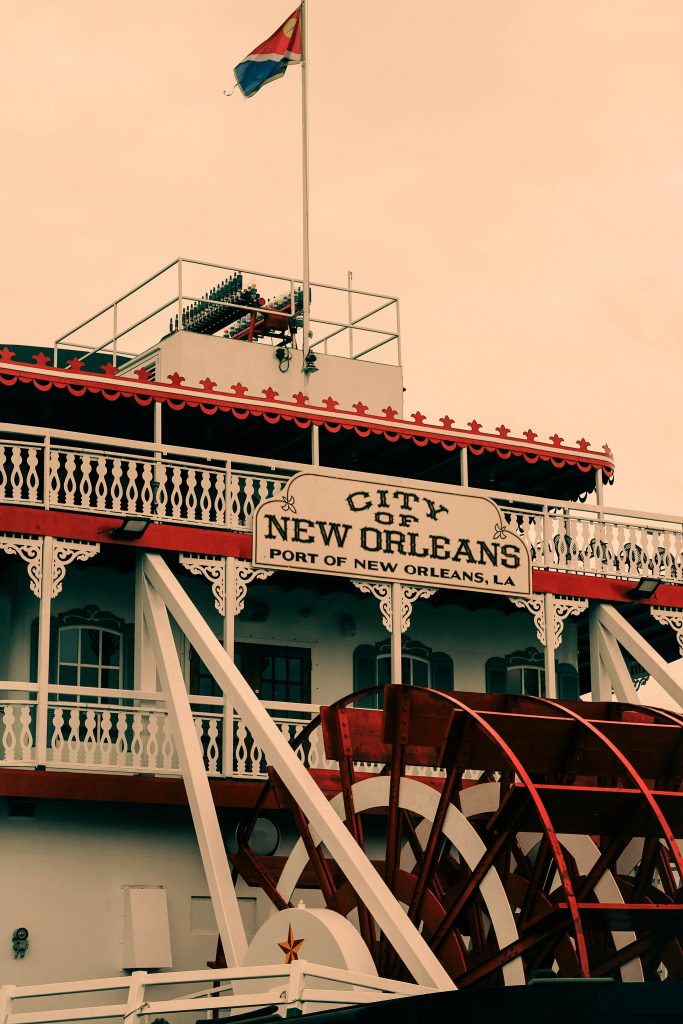
Steamboat Jazz Cruise
I won’t pretend it isn’t a bit of a tourist trap, but a steamboat jazz cruise is great fun. If you’re on a budget, there are options as low as $25 that don’t include food or drinks.
I tried both the brunch and dinner cruises, and if you’re able to splurge, I’d recommend the evening dinner option. Watching the sunset from the boat was divine, and the food was served buffet-style (unlike brunch, where plates are pre-made and set when you arrive), so you can fill up on your favorites before heading to the top deck for dancing and jazz. It does get chilly—even in spring—so bring layers.
Swamp Boat Tour

Like the cruise, swamp boat tours are definitely geared toward tourists, but so what, they’re neat. I booked a tour with hotel pickup and drop-off, which I recommend if you don’t have a car, since getting to and from the swamps can be expensive and unwieldy. The boat took us out for about an hour, and even though it was the off-season for spotting alligators, our guide was extremely knowledgeable and still managed to track a few down.
It was also fascinating to hear from a local expert about the flora and fauna of the swamplands. Plus, seeing photos from our guide’s time as an alligator hunter back in the day was a treat.
Restaurants
For more detailed recommendations on where to eat, check out my Restaurant Guide to New Orleans. This list is where I’d recommend going to check off your must-try foods before you leave the city (there are just too many to count, though).
Coop’s Place (New Orleans Classics): A small, unassuming spot in the French Quarter near the markets, Coop’s Place is a cozy bar serving ice-cold beers and traditional New Orleans cuisine. I recommend the sampler platter: you get to try a bunch of New Orleans classics at once, and all of them are done well.
- Parkway Tavern (Po’boys)
- Loretta’s Authentic Pralines (Beignets)
- Napoleon House (Muffulettas)
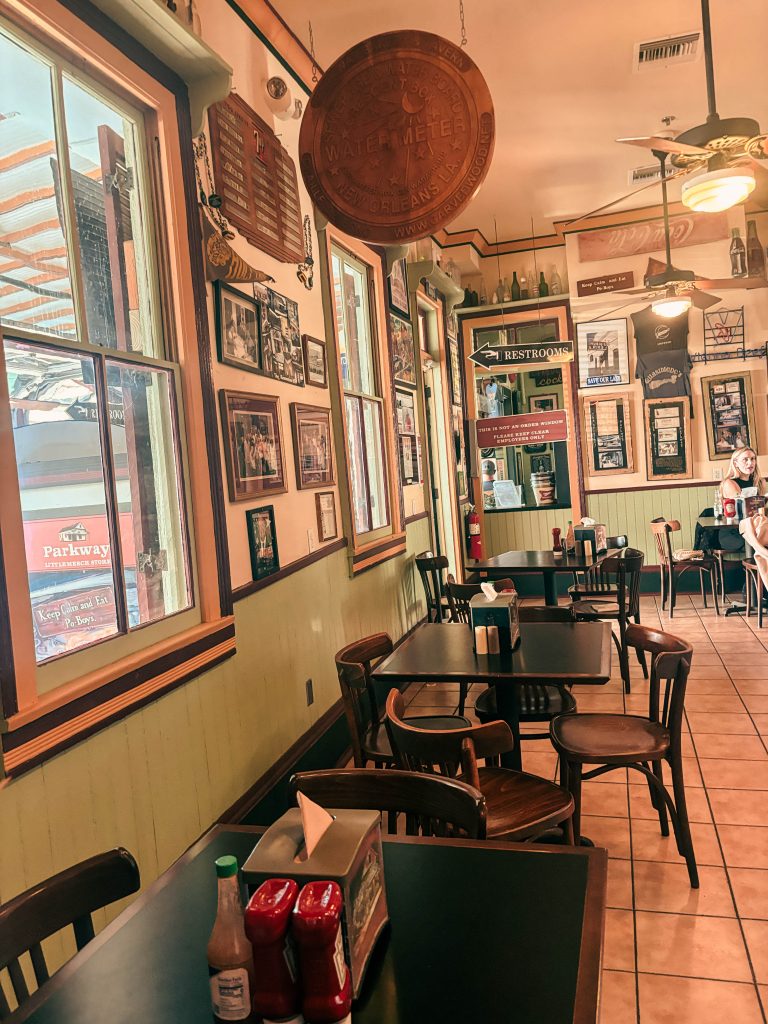
One thing to note: if you’re looking for quality, authentic cuisine, it’s often best to avoid places with “Nawlins,” “NOLA,” “Creole,” or “Cajun” in the name, especially in the Quarter. Many of these places cater to tourists and are often more expensive than the quality of the food warrants. It can be a helpful litmus test while you’re wandering and looking for a place to eat. You can also check out the extremely helpful AskNOLA’s FAQ reddit page for tips from locals on where to eat (though many recommendations are outside the French Quarter).
Nightlife
I’m not a huge nightlife person, and I usually prefer a quality place to chill in the evening over a party scene. If you’re looking for a party in New Orleans, you’ll definitely find it in the French Quarter: just walk around until something catches your eye. This list, on the other hand, focuses less on traditional nightlife spots and more on places to drink where you’ll have a uniquely fun time.
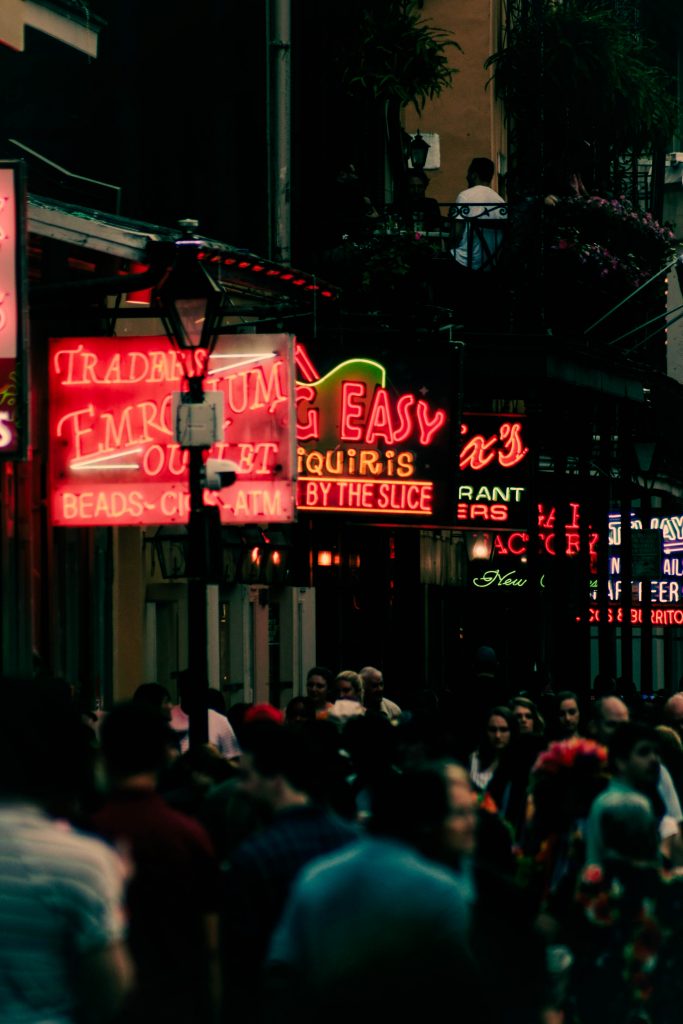
Pat O’Briens: This dueling piano bar is well-known and definitely considered “touristy,” but if there were ever a place to be dubbed “worth the hype,” it would be this one. Beloved by locals and visitors alike, Pat O’Brien’s is a gorgeous, fun-loving bar with a spacious courtyard. You can come here for a sit-down meal or a casual bar hang, but the real draw is the always-crowded piano lounge, where a rotating set of performers take audience requests and clearly have a great time. The waitstaff are wonderful, too. (Pro tip from one of the bartenders there: you can order drinks from the bar outside the lounge for a cheaper price—they just come in plastic cups instead of the fun glasses.)
Potions Lounge: Perhaps not traditional “nightlife,” but still a lot of fun—the Potions Lounge is tucked in the back of Fritzel’s European Jazz Pub (also a great spot for live jazz). You can only enter with a password card, which you can only get from the Vampire Boutique shop around the corner. For non-members, there’s a $20 cover charge after 4 PM. I went before 4 PM and had a great time hanging out with one of their signature cocktails.
Sports Drink: It’s a coffee shop by day and a comedy club at night, so you know they make a fantastic espresso martini. I first went to Sports Drink for a community volunteer event and stayed for their open mic night, which was equal parts painful and delightful. It’s a fun place to hang—the drinks are good and strong—and if you enjoy a good (or bad) stand-up set, it’s a great off-the-beaten-path spot to check out.
Logistics
Entry Requirements
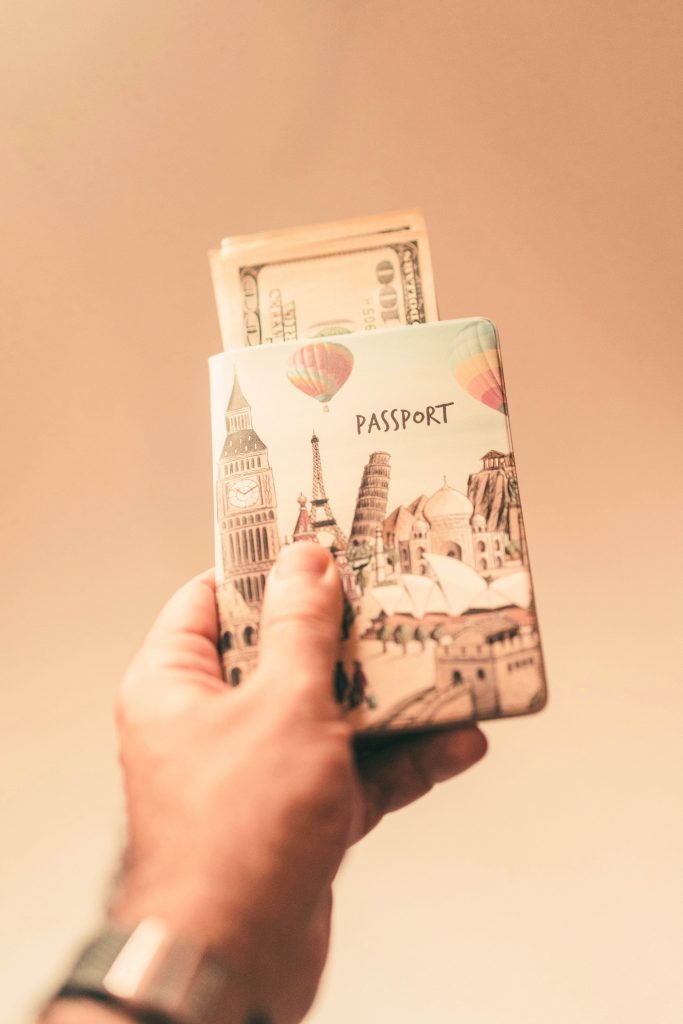
To enter the United States, all travelers must carry a valid passport. Depending on your nationality, you may also need a visa or authorization through the Visa Waiver Program (VWP). You can learn more about the process on the USA.gov’s tourist travel page.
Visa-Exempt Nationalities (Visa Waiver Program)
Citizens of VWP countries can enter the U.S. for tourism or business for up to 90 days without a visa. Travelers must obtain an approved Electronic System for Travel Authorization (ESTA) before departure (currently $17 in fees). Your passport must be valid for the duration of your stay, and you must have a return or onward ticket.
Generally, most visitors need a passport valid for at least six months beyond their stay. However, citizens of certain countries are exempt from this rule. You can check if your country is exempt here.
Visa Holders
If you already have a valid U.S. visa (B-1/B-2, work, student, etc.), you can enter the U.S. according to its terms. The length of your stay is determined by U.S. Customs and Border Protection at the port of entry.
Visa-Required Nationalities
Travelers from countries not eligible for the VWP must apply for a visa at a U.S. embassy or consulate. The process generally involves submitting an online application (Form DS-160), scheduling an interview, and providing supporting documents. Processing times vary, but it typically takes several weeks.
Do I need a visa?
You can check the visa requirements for your passport on the U.S. Department of State travel website.
For the most up-to-date information, consult the U.S. Department of State or your local U.S. embassy or consulate.
Data / Internet
Mobile internet coverage is widely available and fast, with free Wi-Fi common in cafés and public spaces. Many cafés are laptop-friendly, and most offer Wi-Fi for customers.
For mobile data while visiting New Orleans, I recommend using Orbit eSIM or a similar budget provider. I used a U.S.-specific data plan during my four-month stay, and it worked beautifully.
If you need a physical SIM, you can find prepaid cards at convenience stores, at the airport, or from mobile providers like Verizon, AT&T, or Sprint. I haven’t done this myself, but be aware that you may need your passport to register your SIM card, especially when purchasing from a mobile provider store.

Electricity
The U.S. uses Type A and B outlets, with a 120V supply voltage and 60Hz frequency. This is compatible with most plugs from North and Central America, as well as parts of South America and Asia.
You can check the website Power Plugs & Sockets of the World to see if you’ll need a travel adapter or converter based on where you’re traveling from.
Currency
New Orleans uses USD (United States dollars). Most places in New Orleans accept card payments, with notable exceptions like Café du Monde (cash-only across locations) and smaller street vendors.
Unless you’re visiting Café du Monde—which, granted, I highly recommend—you can get by without cash in New Orleans if you prefer to avoid it.
How To Reach New Orleans
By Air
Louis Armstrong New Orleans International Airport (MSY)is where you’ll arrive if you’re flying into the Big Easy. MSY is about 11 miles outside the city proper, roughly a 15–20 minute drive depending on your destination.
The 202 Airport Express bus runs between the airport and the city center. You can buy a ticket in cash when you board or online using the Le Pass app (highly recommended). As of 2026, tickets are $1.25 for a single trip. While affordable, the express bus generally runs every 90 minutes, so wait times can be long depending on your arrival.

If you opt for private transport, be aware that while Uber and Lyft are widely used, their prices can fluctuate wildly. With surge pricing, fares can spike as high as $80, though the most I’ve personally paid was around $40 including tip.
If surge pricing is an issue, taxis are a reliable alternative. There’s an official taxi stand on Level 1 outside the airport. Fares start at a flat rate of $36 for two passengers traveling between the airport and Orleans Parish, with a $1 per-bag fee. For three or more passengers, the fare is $15 per person.
If you’re traveling with children who need car seats or boosters, there’s also KreweCar,a family-friendly rideshare service. I’ve not personally used it, but have heard generally good reviews.
Another option is the airport shuttle service. Shuttle service is available to and from Downtown and Uptown New Orleans hotels, the French Quarter, the Ernest N. Morial Convention Center and the Cruise Ship Terminals. The cost is $30 one-way, $56 round-trip and can be booked through their website or on arrival at the Airport Shuttle Ticket Desk. Vans operate between 5:55 AM – 10:00 PM and leave approximately every 30 minutes.
For more information on getting to and from the airport, New Orleans Tourism website has clear, helpful guidance for all transport options.
By Train / Bus
Amtrak trains and Greyhound buses operate out of New Orleans Union Passenger Terminal in the Central Business District. From here, multiple bus routes connect you to the rest of the city, along with the 46 streetcar line to Elysian Fields in Marigny. Use either Google Maps or the Le Pass app to find the best route to your accommodations.
If you’d prefer not to take public transport, rideshare options are also available.
Accommodation – Where to Stay
Since I didn’t stay in hotels during my time in New Orleans, I can’t offer insight into specific options. When it comes to choosing where to stay, the best area really depends on your preferences.
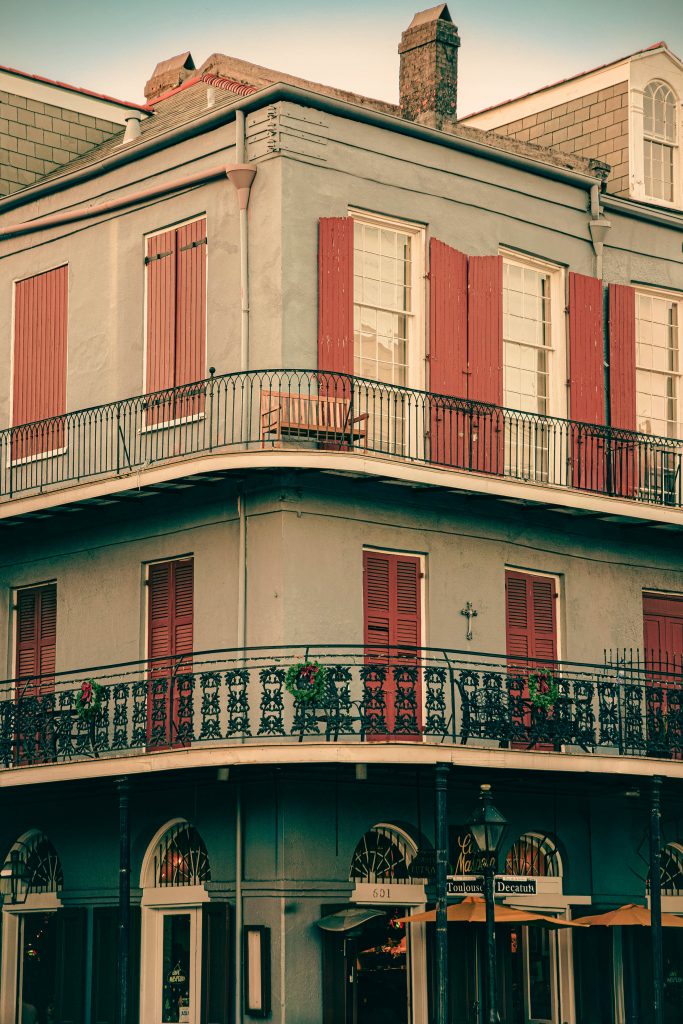
French Quarter
The beating heart of the city, the French Quarter puts you within walking distance of most major attractions if you want to be in the middle of the action. It will, however, come with a matching price tag—you’ll likely be paying a premium for the convenience.
Central City
This is where I lived, so I’m a bit biased. Central City is a residential area that offers relatively easy access to both the French Quarter and the Lower Garden District. As with many residential neighborhoods, safety and atmosphere can vary by block, so it’s worth doing a bit of research before booking. For me, I loved my neighborhood, and having the (pun intended) central location to anywhere I wanted to go in the city was great. Plus: Central City BBQ is one of my favorite restaurants in the city, so added bonus.
Garden District
The Garden District is another low-key, relaxed place that has a more calm and residential feel. Home to many historic buildings as well as Lafayette Cemetery No. 1 (currently closed to the public), the Garden District is, in my mind, a posh, curated area of the city. While it’s a bit far from some of the main attractions of the city, it’s well-connected by bus and streetcar, and it’s a nice place to walk around and take in some beautiful neighborhoods.

Central Business District (CBD)
The Central Business District (CBD) is a great option if you want to stay somewhere convenient and modern. It’s close to the French Quarter but generally quieter and more business-oriented. Hotels here often have more contemporary amenities and larger rooms compared to the historic properties in the French Quarter, and it’s still walkable to many attractions and nightlife spots. Plus there’s lots of restaurants and cafes serving both casual dining and good Southern cuisine.
Warehouse District
The Warehouse District (also called the Arts District) is ideal for art lovers and museum-goers. You’ll find the National WWII Museum, art galleries, and trendy restaurants here. This area has a modern, stylish vibe, with loft-style hotels and boutique accommodations. It’s quieter than the French Quarter but still very accessible. One of my friends stayed here when she visited years ago and she said it was great as a place to wind down after the energy of the French Quarter without having to travel too far back.
Marigny
I didn’t spend much time in Marigny since it was on the other side of town from Central City, but when I did, it was usually for parades or for the vibes on Frenchmen Street. While Bourbon Street is known as the city’s main party strip, Frenchmen Street offers a similarly lively scene that’s smaller and more music-focused. It’s slightly removed from the main tourist attractions, but I enjoy Marigny for its more relaxed, down-to-earth feel during the day. It’s also home to Loretta’s Authentic Pralines and some other truly fabulous bakeries (Ayu Bakehouse, we love you), so an ideal place to start your days in the Big Easy.

Short Term Rentals
Like many cities with heavy tourism, New Orleans suffers from housing and rental issues related to short-term rental sites like Airbnb and Vrbo. Because it’s often more profitable to rent to short-term visitors—especially during major events like Mardi Gras and the Super Bowl—units that might otherwise be available to residents are taken off the long-term market, driving up rental prices. You can read more about the issue from local news outlet WWNO’s article about Airbnb’s lawsuit against the city.
This isn’t to disparage anyone who chooses to use a short-term rental versus staying in a hotel or hostel, especially for traveling workers or people staying longer than a week who need access to amenities like a kitchen or workspace. Instead, use caution when choosing any short-term rental.
The New Orleans local government regulates short-term rentals (defined as stays of fewer than 30 days), and you can find the map of permitted properties via their website. Stays of over 30 days and under six months are considered “mid-term” rentals and do not require a short-term permit in New Orleans.
Getting Around New Orleans
Public Transport
While it can be a bit unwieldy and, at times (especially during Mardi Gras), unreliable, New Orleans’ public transport system is very affordable and accessible. As of 2026, a single ride on buses and streetcars costs $1.25. The ferry to and from Algiers Point costs $2.00. There are also discounts for youth, seniors, and multi-day passes.
These prices include the Airport Express bus, which runs approximately every 90 minutes.
There are two main ways to buy tickets. You can pay in cash when you board (at the fare box beside the driver), or use the Le Pass mobile app.
I highly recommend downloading the app and using it for your transit tickets. It’s very easy to use, and once you activate a ticket, it’s valid for 90 minutes. That means if you’re taking a short trip (say, to Walmart for groceries), you can often use the same ticket for a round trip.
There’s also the multi-day Jazzy Pass, available in 1-, 3-, or 7-day options. These passes include ferry rides and can be very cost-effective if you’re using public transport more than once a day.

Taxi / Rideshare
I’ve never taken a taxi in New Orleans for the same reason I’ve rarely taken a taxi anywhere. If I need a rideshare, I’ll use either Uber or Lyft. The most common use is getting from the airport into the city. I’ve also ordered rides from Central City to Marigny or Bywater when I didn’t want to walk or it was late at night. Typically these rides cost between $15-20 including tip, so if you’re in a pinch, taking a car probably won’t break your bank.
Walking / Cycling
Most locals have told me that nobody walks in New Orleans unless you’re a tourist. There’s some truth to that, as many residents either have their own cars or rely on public transit to get around. But New Orleans is a fairly compact city, and as such, it is generally very walkable. I’ve walked everywhere from Uptown to Bywater (though I wouldn’t recommend doing the full stretch in one go), and it’s been a dream.
That said, I would tell any pedestrians to exercise some caution when crossing the road. Drivers consistently blow past crosswalks instead of yielding to pedestrians. I’ve walked in many cities, and New Orleans is one of the few where I genuinely felt like I could get run over if I wasn’t careful.
Living In New Orleans
In terms of major U.S. cities, New Orleans is on the more affordable side. Of course, the price of groceries and goods has risen in recent years, and Louisiana has one of the highest sales tax rates in the country (around 10% in New Orleans). However, it also has some of the cheapest public transport I’ve seen, especially for U.S. cities. If you’re mindful of costs, New Orleans is a place you can experience fairly cheaply, as long as you’re thoughtful about your budget.
Grocery Shopping
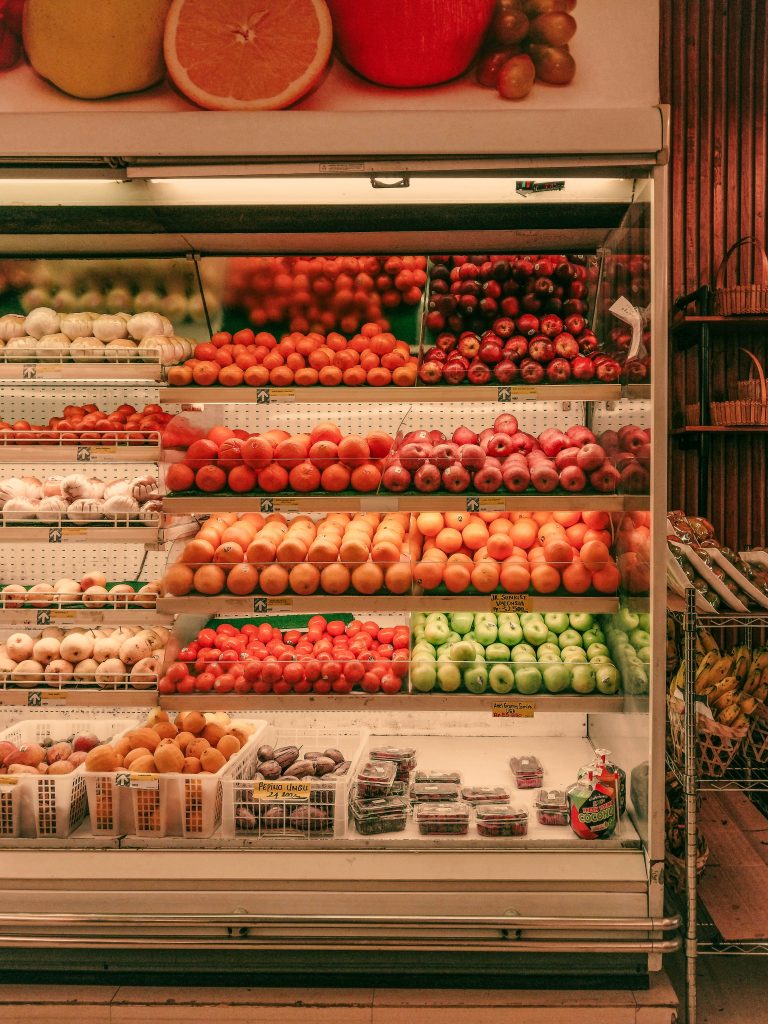
While local grocers and farmers’ markets have my heart, the cheapest place to get groceries in New Orleans is usually big box stores. I frequented the Walmart in the Lower Garden District. Multiple bus lines run directly there, so it’s accessible from most parts of the city. Outside of local products, prices are the most competitive. It’s where I did the majority of my grocery shopping while living there. There’s also Aldi, though locations are outside the city center and not nearly as accessible as Walmart. I never went since Wal-Mart was ultimately more convenient for me.
Another option is Rouses Markets, which has many locations throughout the city. Most of their products are more expensive than Wal-Mart, but occasionally they have sales that beat those prices, and since they have so many locations, sometimes they’re more convenient. I would usually shop here for one-off items if I didn’t want to trek all the way to Wal-Mart for something.
If you’re looking for local products, there are weekly farmers’ markets throughout the city. For example, the Crescent City Farmers Markets operates multiple locations, with the City Park market on Saturdays being one of the most popular. You can find a list of NOLA farmers’ markets online.
Another local option I love is Recirculating Farms NOLA. They’re a local nonprofit focused on sustainable agriculture and community education. They run weekly workshops and classes and offer a ton of community resources. They also sell a monthly “grow box” of local produce and goods, which they deliver to many Orleans Parish ZIP codes. It’s a great way to support local farmers and also get high-quality produce for your weekly meal prep. They post the link to their order form monthly via their Facebook or Instagram pages.
Rent
New Orleans rent prices are a bit of a mixed bag. Compared to major U.S. cities like New York or San Francisco, it’s relatively affordable—but for what you get, prices can feel high, especially in desirable neighborhoods and newer buildings. Costs have also crept up in recent years, particularly in areas popular with visitors and transplants.
Short- to medium-term stays can vary widely. In many cases, they’re significantly more expensive than signing a lease, but deals can exist if you’re staying for a month or longer. Just remember to exercise caution with illegal rental listings, which are common on platforms like Airbnb and Vrbo. For stays under 30 days, you can check the map of permitted short-term rentals.
For a short-term rental, I paid $1,250/month for a fully-furnished one-bedroom in Central City, including utilities, and I paid 1-month’s rent and a $600 security deposit. I rented via FurnishedFinders, and I had an overwhelmingly positive experience (though I’ve heard some horror stories, so make sure you do your research before signing a lease).I also signed an official short-term lease and purchased renter’s insurance, which was a requirement for my lease, for about $20/month.
For standard 12-month leases, you can generally expect:
- Studios / 1-bedrooms: $1,000–$1,600 depending on location, condition, and amenities
- 2-bedroom apartments: $1,600–$2,500+, with renovated or historic homes on the higher end
- Shared housing: $600–$1,000 for a room in a decent area
Most landlords require one month’s rent as a deposit, sometimes plus the first month upfront. Utilities are often not included, and in New Orleans, they can add up—especially in the summer, when air conditioning is non-negotiable—so factor that into your budget.
Cost of Living
Overall, New Orleans lands somewhere in the middle for U.S. cities. It’s not the cheapest place to live, but it’s far from the most expensive. Your biggest variables will be housing, how often you eat out, and how much you lean into the city’s social scene.
It’s very easy to spend money here—between restaurants, bars, and live music, costs can creep up faster than you expect. But if you’re mindful of your budget, it’s also easy to find things to do cheaply and still feel part of the city.
The following is a breakdown of my average monthly budget living as a single person in a fairly central part of New Orleans, operating on a budget, compared to other estimates. I splurge quite a bit on dining and entertainment (plus my Classpass which I noted separately), and I’m able to do that by keeping costs down in most of the other categories. But hopefully this is a helpful gauge for your own budgeting needs.
Budget Breakdown (Single Person)
| Category | My Budget | Low (Frugal) | Mid-Range | High (Comfortable) |
| Rent (1 bed) | $1,250 | $1000 | $1,300 | $1,700+ |
| Utilities & Internet | $30 (my eSIM and renter’s insurance) | $120 | $180 | $300 |
| Groceries | $260 | $250 | $350 | $550 |
| Dining & Entertainment | $430 | $150 | $400 | $800+ |
| Transport | $50 (including Uber from the airport, usually much lower) | $50 | $150 | $300 (rideshare-heavy) |
| Gym Membership | $150 | – | – | – |
| Miscellaneous (clothes, gifts, etc.) | $250 | $100 | $200 | $400 |
| Total | $2420 | $1,670 | $2,580 | $4,050+ |
For Residents:
The NOLA Library Culture Pass
One of my favorite parts about living in New Orleans versus visiting was that being a resident meant I could get a public library card (all you need is an ID and proof of residency, which can be as simple as a piece of mail with your name and New Orleans address on it). You don’t need a Louisiana ID to get one.
I love reading, so borrowing books was exciting enough—but the New Orleans Public Library also offers a “Culture Pass,” where cardholders can reserve free tickets for some of the many attractions that the city has to offer, like museums, the Audubon Zoo and Audubon Aquarium, and even concerts by the Louisiana Philharmonic Orchestra.
Tickets are available up to 30 days in advance, and passes are usually valid for multiple participants (though this varies by attraction, so check each listing). For popular attractions like The National WWII Museum and the Audubon, you’ll want to book sooner rather than later, as slots can fill up fast. Overall, the Culture Pass is an incredible way to access cultural attractions in the city without hefty price tags.
Free Museum Days
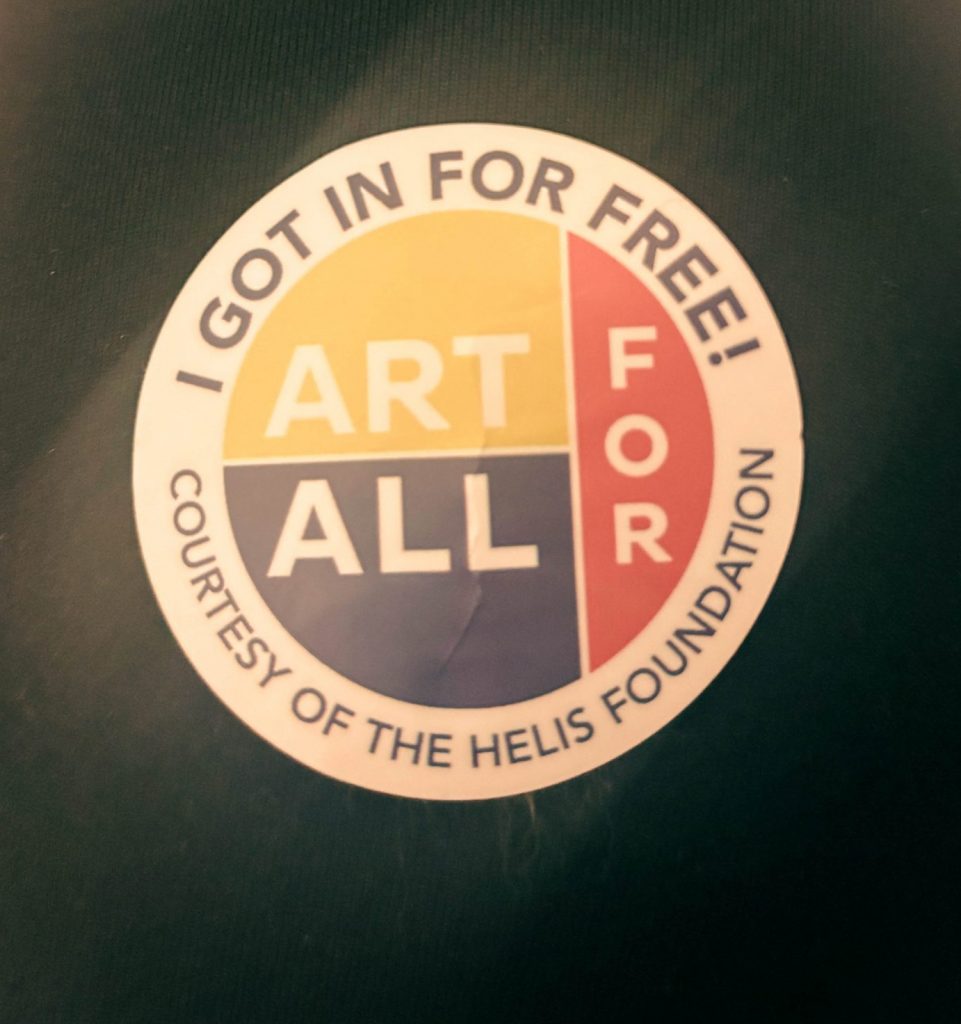
Another benefit Louisiana residents enjoy in New Orleans is free museum days courtesy of the The Helis Foundation, which underwrites the cost of admission. For most places, including the New Orleans Museum of Art (NOMA), you simply provide your ZIP code (for example, a Central City ZIP code such as 70113), and you’ll receive a sticker granting free admission. My favorites are NOMA and the Ogden Museum of Southern Art, but they’re all worth a look.
The full list of participating museums and free admission days can be found on the Helis Foundation website.
FAQs on Visiting New Orleans
When is the best time to visit New Orleans?
The most popular time to visit is during Carnival season, which culminates in Mardi Gras (typically between January and March). If you’re visiting for Mardi Gras, be sure to check out my guide to Carnival.
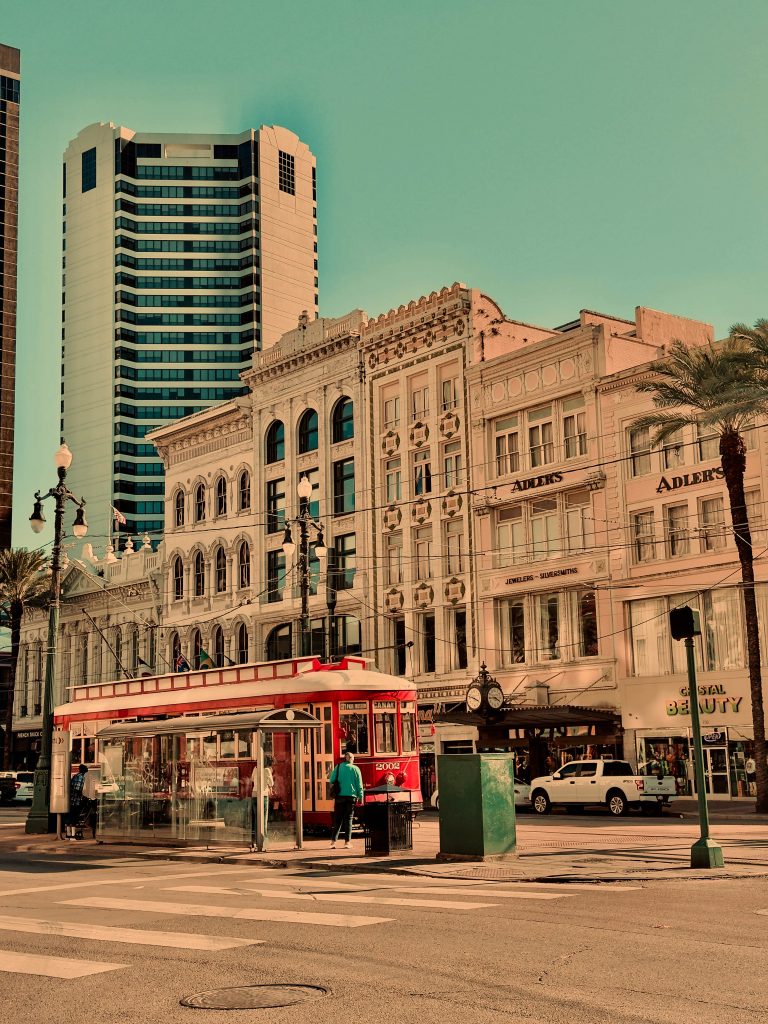
Outside of Carnival, Spring (February–May) offers the best weather and festival lineup. Fall (October–December) is another great option with fewer crowds and milder temperatures. Summer can be extremely hot and humid, but you’ll find lower prices and fewer tourists – with good reason. Yikes.
How many days do you need in New Orleans?
A 3–4 day trip is ideal for first-time visitors. That gives you enough time to explore the French Quarter, enjoy live music, take a food tour, and experience a few neighborhoods beyond the main tourist areas. If you want a slower pace or plan to attend festivals, consider 5+ days. If you’re staying for Carnival, especially during Mardi Gras weekend, I’d stay as long as you can!
Is New Orleans safe for tourists?
New Orleans is generally safe in well-trafficked areas, especially during the day. Stick to popular neighborhoods like the French Quarter, Garden District, and Marigny. At night, stay aware of your surroundings, avoid poorly lit areas, and use rideshares if you’re unsure about walking.
Where should I stay in New Orleans?
- French Quarter: Best for first-time visitors who want to be in the center of everything, though it gets pricey
- Garden District: Quieter, beautiful historic homes, great for a more relaxed stay
- Marigny/Bywater: Artsy, local vibe with great music and food
Each area offers a very different experience, so it depends on your travel style.
Do you need a car in New Orleans?
No—most visitors don’t need a car. In fact, it’s better to go without one: parking is a nightmare and the roads are famously bad.
The city is very walkable, especially around central neighborhoods. You can also use the New Orleans Streetcar for scenic and affordable transportation, along with rideshares.
What food is New Orleans known for?

New Orleans is one of the best food cities in the U.S. Don’t miss:
- Beignets
- Pralines
- Bananas Foster
- Gumbo
- Jambalaya
- Po’ boys
- Shrimp and Grits
My personal favorites are beignets and shrimp and grits (not strictly New Orleans, more Southern food, but incredible). For specific-to-New-Orleans foods, New Orleans is the birthplace of both Bananas Foster and Po’boys. Really, though, it’s all equally good. Check out my NOLA Restaurant Guide for recs on where to eat while you’re in the Big Easy.
Can you drink alcohol in public?
Yes—New Orleans is one of the few U.S. cities where open containers are allowed in certain areas, including the French Quarter. Drinks must be in plastic containers (no glass).
What is there to do besides Bourbon Street?
While Bourbon Street is famous, there’s much more to the city:
- Live jazz on Frenchmen Street
- Historic homes in the Garden District
- Museums like the National WWII Museum and NOMA
- The Riverwalk and steamboats

What should I pack for New Orleans?
- Lightweight, breathable clothing (it’s humid most of the year –even when it’s cold, you’re sweating)
- Comfortable walking shoes
- Rain gear (when it rains, it pours)
- Festive outfits if visiting during Mardi Gras –the more colorful the better
Is New Orleans expensive?
It can be, especially during major festivals like Mardi Gras or Jazz Fest. However, there are plenty of budget-friendly options for food, accommodations, and activities if you plan ahead and want to stick to a budget.
Are tips expected in New Orleans?
Yes—tipping is standard in the U.S. 20% or more is standard in restaurants and bars, and appreciated in cafes and other service-forward roles. It’s also customary to tip hotel staff and tour guides.
Final Thoughts
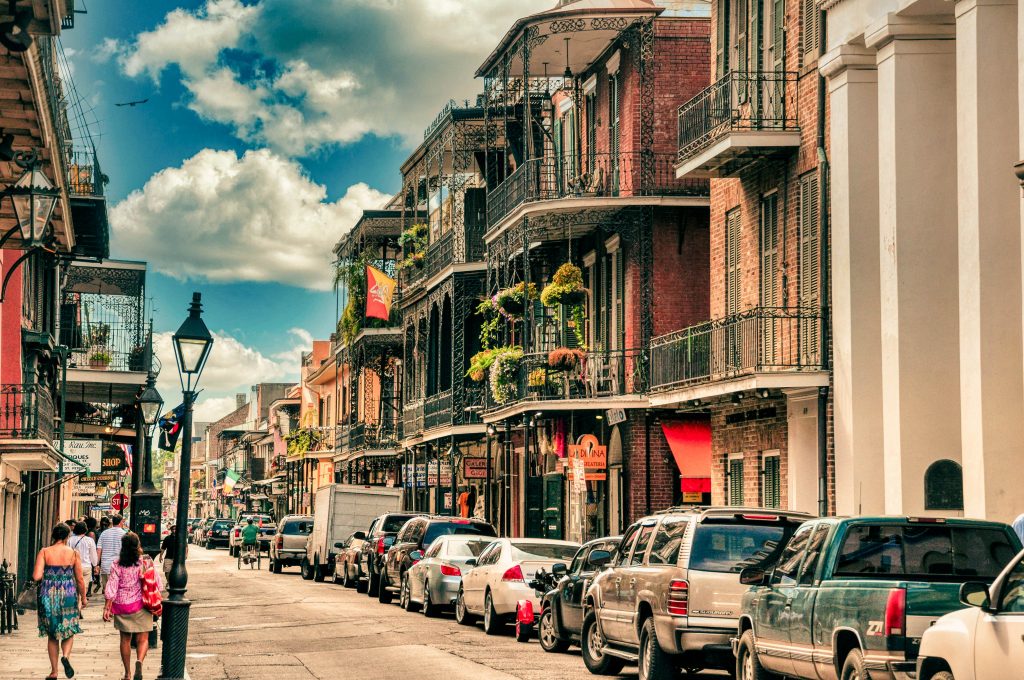
New Orleans is one of the most beautiful cities I’ve ever lived in, both in its appearance and its culture. I will always treasure the people I met in the Big Easy, the friends and the kind strangers, and I feel so privileged and grateful to have stayed through Carnival, when the community spirit was at its most joyful.
If you get the chance to visit or live in New Orleans, even for a short time, I suggest you take it. It’s a wonderful city that I truly believe has something for everyone—and one of the few places in the world I could see myself calling home (if only the summers weren’t freakishly hot!).