Weekend in Budapest – Itinerary and Guide
Overview
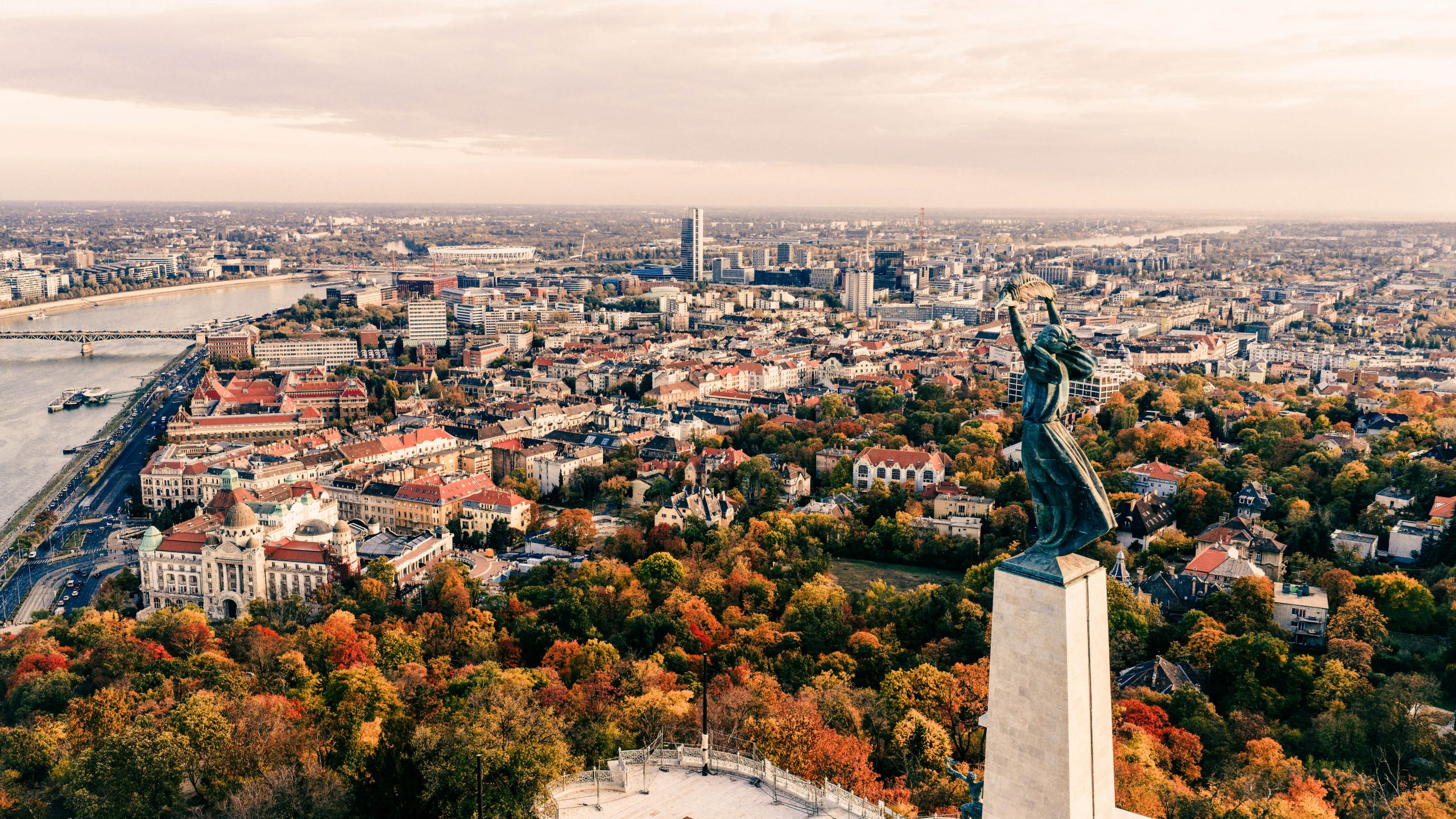
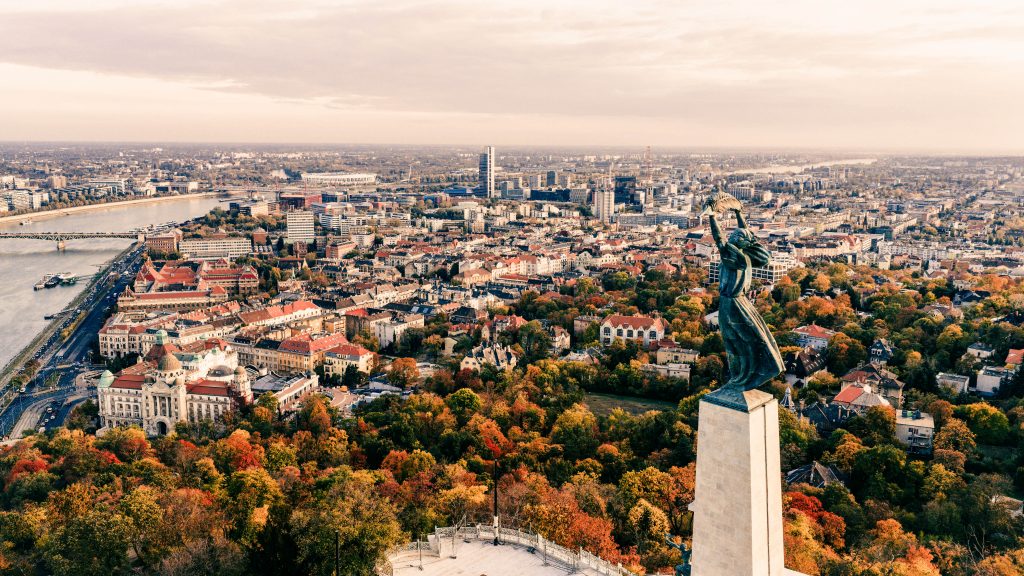
Budapest, Hungary’s capital city, consists of two distinct areas, Buda and Pest, separated by the Danube River. On the Pest side, you’ll find the more bustling, densely populated city center, where most people live and work, and which is generally the more “touristy” area. The Buda side tends to be a bit calmer, more historical, and more residential.
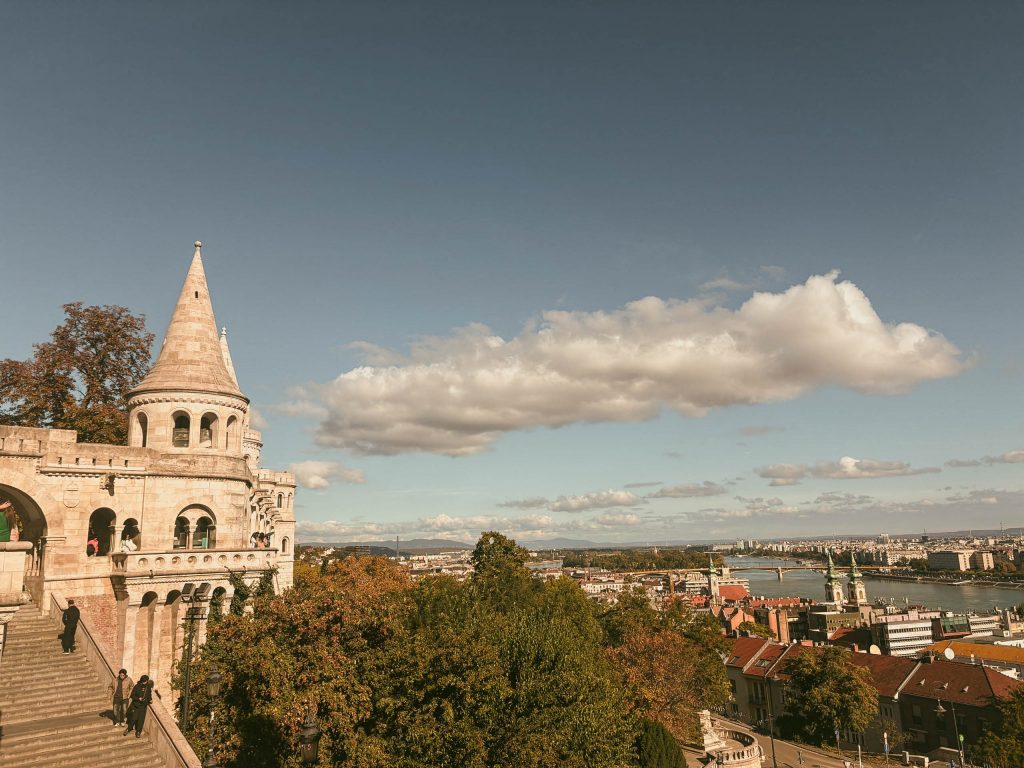
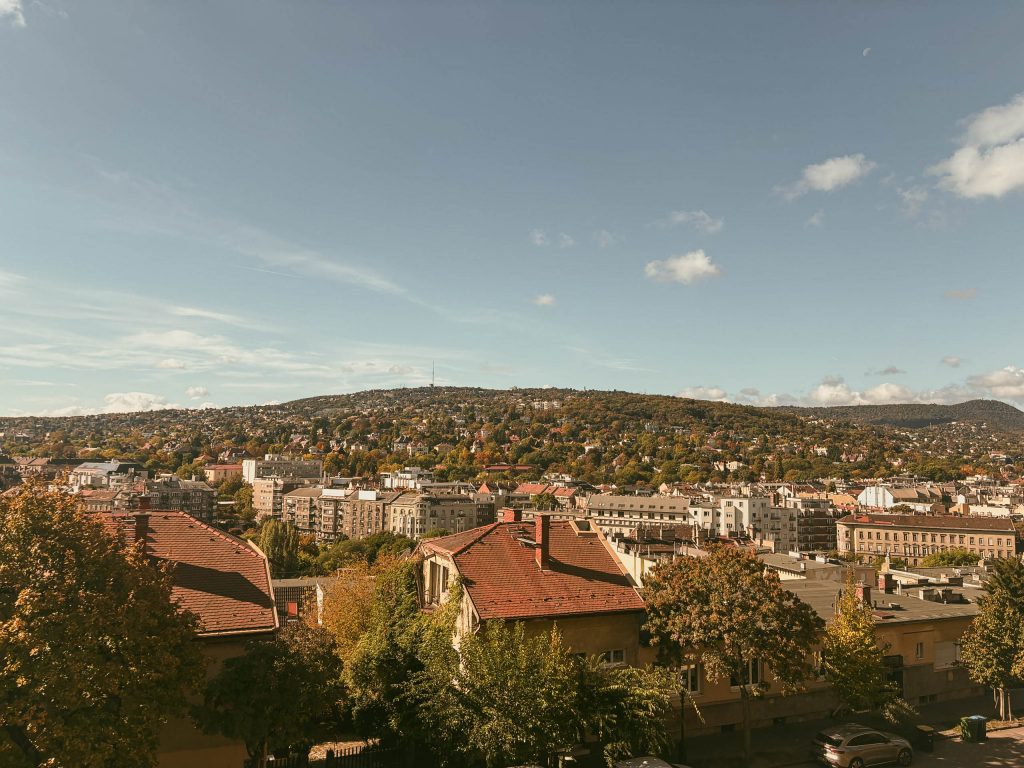
If you have time, both sides of the city are worth exploring. However, if it’s your first visit or you’re limited on time, the Pest side offers more attractions and has more of a “city/nightlife” vibe. Buda (shown here) is great for history buffs or for travelers looking to escape the fast pace of city life.
Culture
Shaped by its nomadic roots and later occupation by the Roman, Ottoman, and Habsburg empires, modern Hungary is a blend of Eastern and Western European influences.
Hungarians are well-known for their incredible hospitality. Family and close relationships are highly valued, along with socializing and friendliness in general. People tend to be open, honest, and kind toward one another. It’s not uncommon to find Hungarians sharing intimate details about their lives, even with strangers.
About 70% of the population identifies as Roman Catholic, and the religion plays a significant role in national culture, particularly during holidays and celebrations.
Hungary is also known for its folk music, which includes traditional styles as well as genres that evolved from a 20th-century folk music revival. The country also boasts incredible architecture, which you will see on display all across Budapest (on both sides of the Danube).
Language
Hungarian (or Magyar) is the country’s official language and is spoken by approximately 98% of the population. The country also recognizes and supports several minority languages, including Croatian, Romani, Romanian, and Serbian.
English and German are the most commonly spoken foreign languages, as they are widely taught in schools.
Safety Tips
Budapest is considered very safe generally. The city is walkable, well-lit, and has a relatively low violent crime rate.
As a solo female traveler, I regularly walked around the city late at night, and there were still plenty of people out and about. I felt safe and comfortable walking around at night while following my normal safety precautions.
Currency
Although Hungary is part of the EU, its official currency is the Hungarian Forint (HUF), not the euro. As of 2026, there is no official timeline for adopting the euro.
Some tourist spots accept euros (and almost all accept cards), but if you plan to make cash purchases—especially outside of Budapest and major tourist areas—you’ll need forint.
See the current Hungarian Forint exchange rates below:
Exchange Rate HUF: Sun, 1 Mar.
Logistics
Entry Requirements
As with most countries, to enter Hungary you generally need a passport valid for at least six months beyond your intended departure date, with at least one blank page for stamps.
Visa-Exempt Nationalities: many nationalities can enter Hungary visa-free for up to 90 days within a 180-day period for tourism or business.
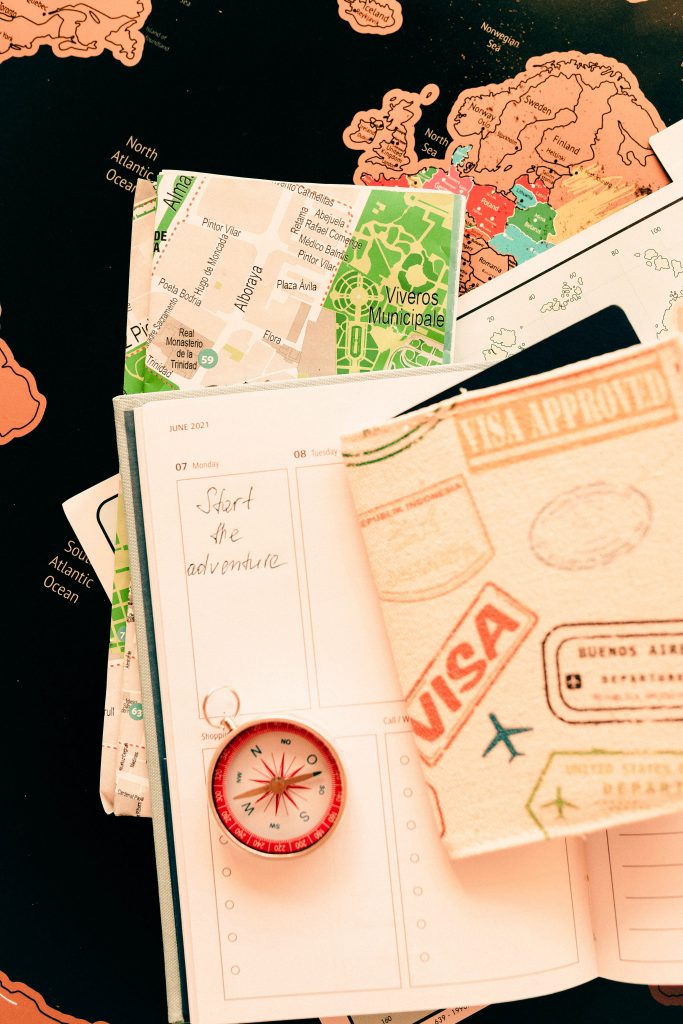
Visa-Required Nationalities: travelers who require a visa must apply for a Schengen tourist visa through a Hungarian consulate or embassy.
Schengen visas typically come in three forms: single-entry, multiple-entry, and airport transit visas (used for stopovers or flight changes within the Schengen Area).
As of 2025, Schengen visa fees are typically around 80 euro for adults (with reduced fees for certain nationalities and age groups), and applications generally take about 15 days to process, though they can take up to 45 days if additional documents are required.
To learn more about applying for a Schengen visa, visit the EU home affairs website.
Do I need a visa? You can check the visa requirements for your passport and destination using Passport Index’s Travel Visa Checker.
Data/Internet Coverage
Internet

Budapest has widespread, high-speed internet, with fiber-optic connections offering speeds of 1 Gbps or more. Free public Wi-Fi is widely available in cafes and major attractions. 4G coverage is nearly universal, and 5G is expanding rapidly.
For up-to-date information on median mobile and broadband speeds, check out Speedtest’s page on Budapest.
E-Sims
There are plenty of eSIM providers offering data for Hungary or Europe. I’ve used Airlo before, and they offer unlimited data plans, though I personally find them pricey and prefer paying by GB.
I’ve been using Orbit eSIM as my carrier across continents. They’re extremely affordable, often run sales (especially for email subscribers), and the app is easy to use. You can seamlessly top up data by purchasing plans in advance, which activate automatically once your current plan runs out (either by data usage or after the 30-day limit).
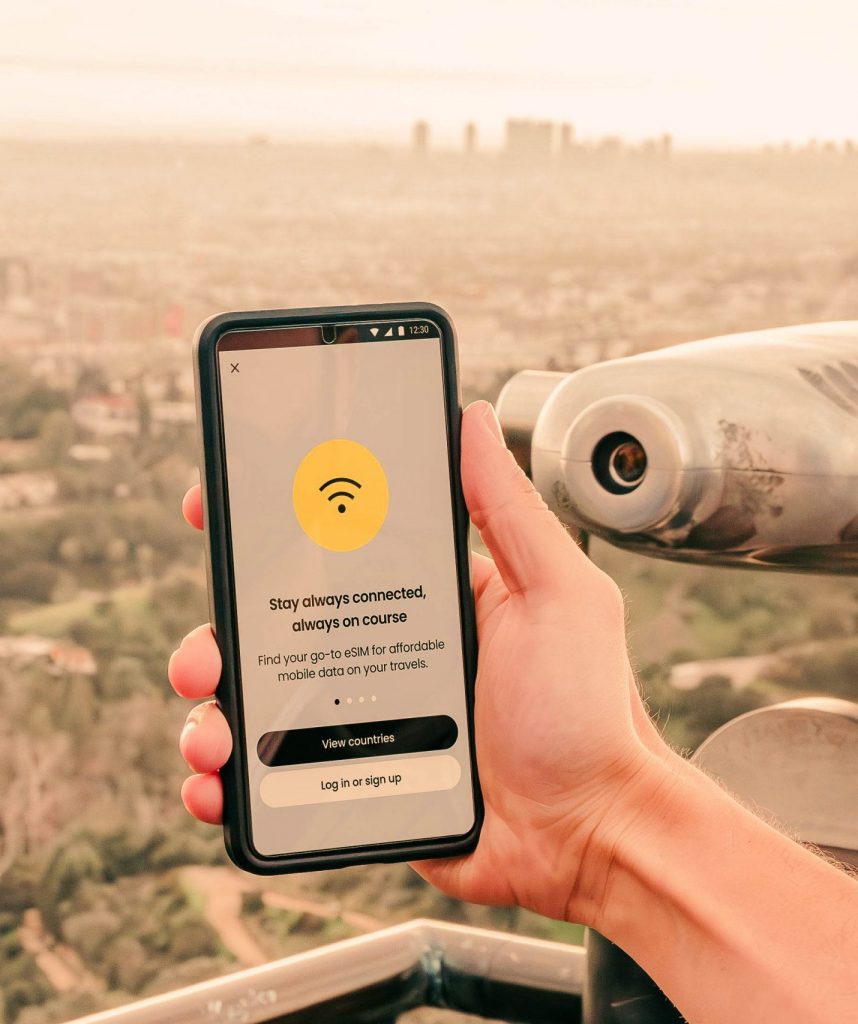
Jetpac was another budget option I used during a short trip; they often run promotions like 1 GB for 1 euro for three days. When I used it in Italy, it worked beautifully.
Electricity
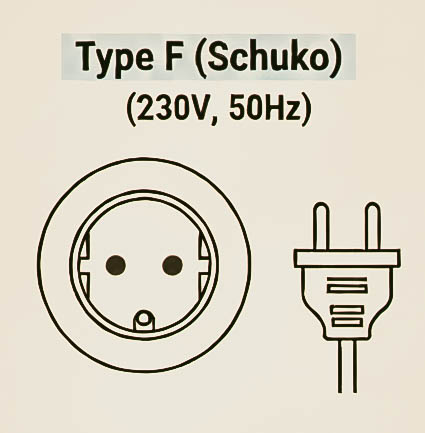
Budapest uses Type F outlets with 230 volts at 50 hertz, which are also compatible with Type C outlets (“europlugs”) used throughout most of Europe, as well as parts of Africa, South America, and Asia.
You can check Power Plugs & Sockets of the World to see whether you’ll need a travel adapter or voltage converter, depending on where you’re traveling from.
Food + Drink
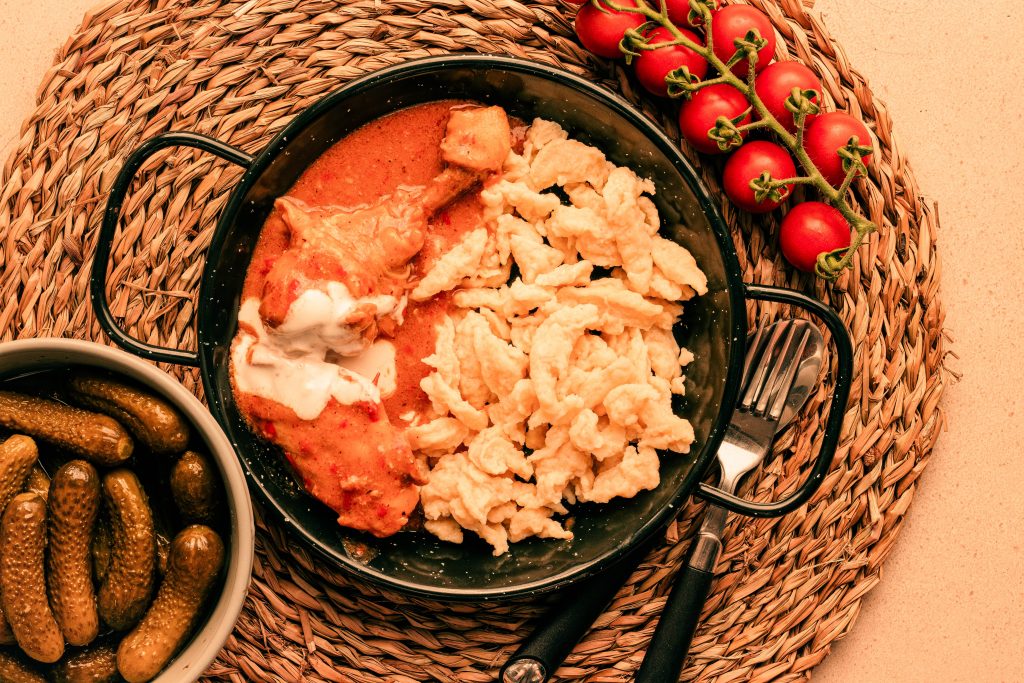
An array of cultures—including Turkish, German, and Austrian—have influenced modern-day Hungarian cuisine. Hungary is known for hearty, rich dishes like goulash, paprikash, and halászlé (fisherman’s soup), which tend to use simple ingredients and generous amounts of paprika. The liberal use of paprika dates back to the Ottoman Empire, when it became a local, affordable alternative to expensive imported spices. You’ll find it in many Hungarian dishes, as well as for sale in gift shops throughout Budapest.
Hungary also has an excellent street food scene, especially in Budapest. For savory options, there’s lángos, a deep-fried dough typically served with sour cream, garlic butter, and shredded cheese. If that’s not your thing, there are countless variations to try, both savory and sweet. I personally liked lángos topped with sour cream, onion, and bacon bits.
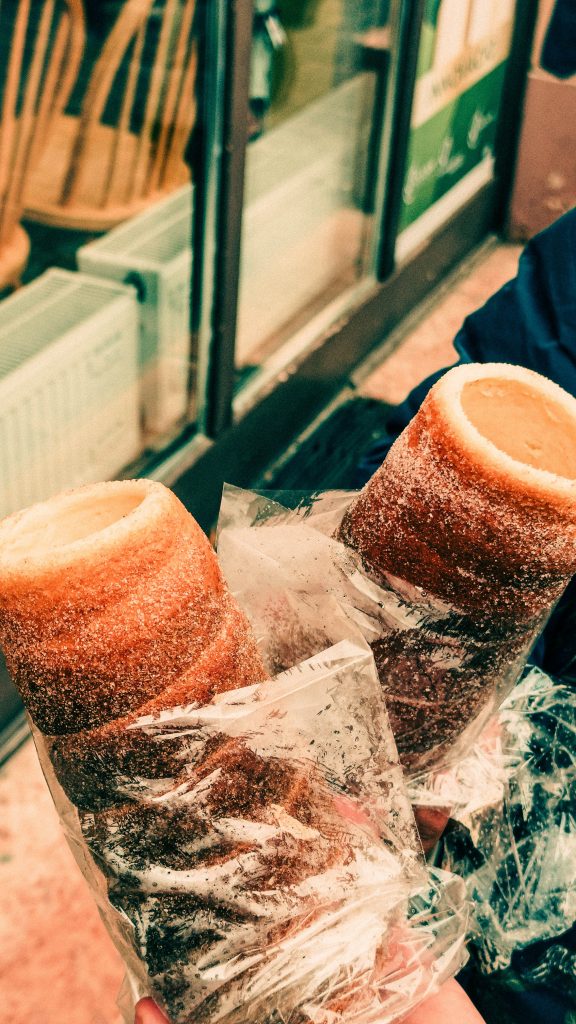
If you’re looking for a sweet treat, try kürtőskalács, also known as chimney cake. This pastry originated in Transylvania, which is why you’ll also find it in Romania, particularly in the Transylvanian region. It’s usually topped with sugar and cinnamon, and sometimes cocoa powder or ground walnuts. You can also find less “traditional” options, including stuffed chimney cake. I recommend chimney cake stuffed with marzipan (or ice cream in the summer) and topped with shredded coconut.
A personal favorite of mine was palacsinta, or Hungarian crepes. These also come in both savory and sweet varieties. I liked palacsinta stuffed with cottage cheese (túró) and topped with vanilla sauce. This dish gets a lot less love than classic stews and paprikash, but it’s delicious and worth branching out for.
There’s also túrós csusza, which translates to cottage cheese noodles. It’s a simple dish, usually made with egg noodles tossed in cream and túró and topped with bacon, resulting in a creamy, light, tangy flavor. I had a version made with spaetzle (egg noodle dumplings) that was dangerously good.
Because Hungarian food tends to be very hearty and filling, it can be a challenge to try all the great dishes the country has to offer during a short weekend trip to the capital. I opted for a Hungarian buffet for lunch on my last day in Budapest, which let me try a little bit of everything.
How to Reach Budapest
Budapest, like many European cities, has a solid public transportation system that makes it easy to get around, including from major transport hubs like the airport, bus stations, and train stations.
Keep in mind, the metro does not run 24/7. It generally runs between 4:30am–11pm weekdays and 4:30am–1am weekends.
Similarly, buses run 4:30am–11pm on weekdays and until 1am on weekends, with night buses operating less frequently overnight.
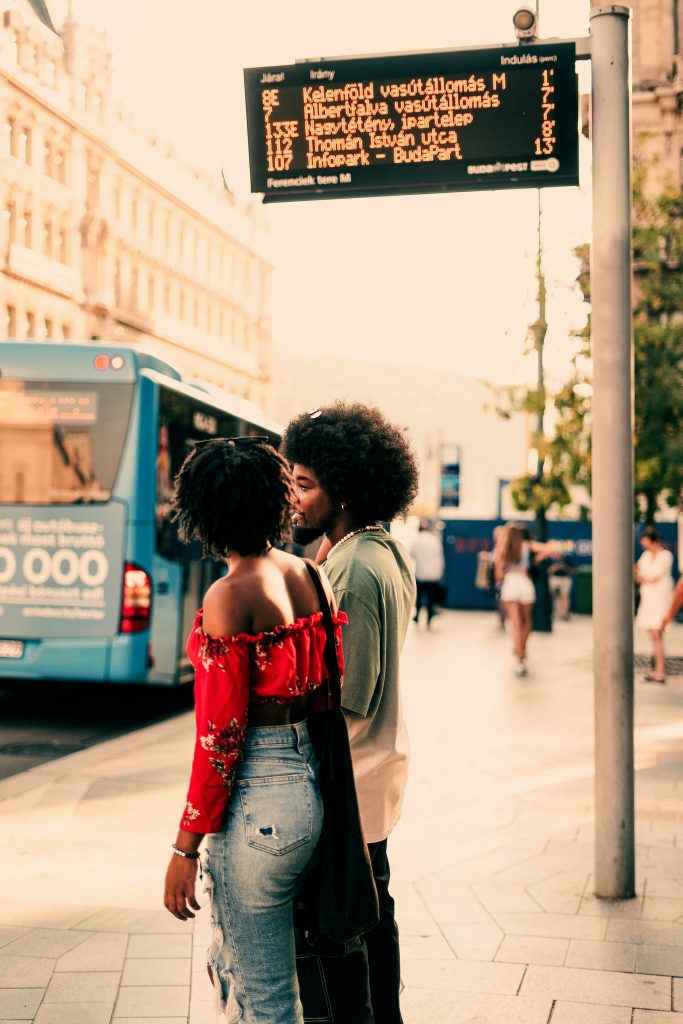
There are also taxis (which accept both cash and card) and ride-share options like Bolt or Uber. These will cost more—especially at peak times—but may be worth the convenience, particularly if you’re traveling with heavy luggage.
That said, I’ll focus on using public transport here. You can buy tickets either at physical kiosks, tap-to-pay (airport buses only) or exact cash on the bus, or download the BudapestGO app.
I recommend the app for convenience, since it works across all public transport in the city. Just make sure to always validate your ticket when you board by scanning the QR code at the bus or metro entrance.
By Plane
Budapest Airport—officially Budapest Ferenc Liszt International Airport (BUD)—is Hungary’s main international airport and the only commercial airport serving Budapest. Terminal 2 has been the only passenger terminal in operation since 2012.
To reach to the city center, you can take the 100E airport express bus, which operates 24/7 (with reduced frequency late at night) and costs 2,400 HUF. This was the bus I took, and I found it very easy to use.
The airport bus requires a separate ticket from other public transport lines, so make sure you purchase the correct one (at a kiosk, on the bus, or via the BudapestGO app). Inspectors will check that you’ve validated the correct ticket before you board.
By Train
There are three major train stations in Budapest: Keleti, Nyugati, and Déli. There’s also Kelenföld station on the Buda side.
Keleti is the main international station and sits about two miles outside the city center. You can take the M2 metro to the city center, which takes about five minutes. It’s also technically walkable, taking about 39 minutes to Deák Ferenc Square. Late-night buses can be a bit complicated and may involve transfers, or you can take the 931 directly if you don’t mind a walk. It ultimately depends on your final destination.
By Bus
There are two main intercity and international bus stations in Budapest: Népliget International Bus Station and Árpád híd Bus Station.
From Népliget International Bus Station, take the M3 metro line toward the city center, which runs roughly every ten minutes. It takes about 19 minutes to reach District 5, though travel time will vary depending on where you’re staying.
Keep in mind that the metro does not run 24/7. It generally runs between 4:30am–11pm weekdays and 4:30am–1am weekends, so if you’re arriving later, you may have to go to ride-share or taxi options or night buses (914, 914A, or 950A).
For the Árpád híd Bus Station, you can also take the M3 metro from the Göncz Árpád City Center station towards Kőbánya-Kispest. Depending on your final destination, travel time may vary, but it’s roughly a 10-minute ride to Deák Ferenc Square. Other options are the 15 bus during the day or the 950 or 950A night buses.
Public Transport in Budapest
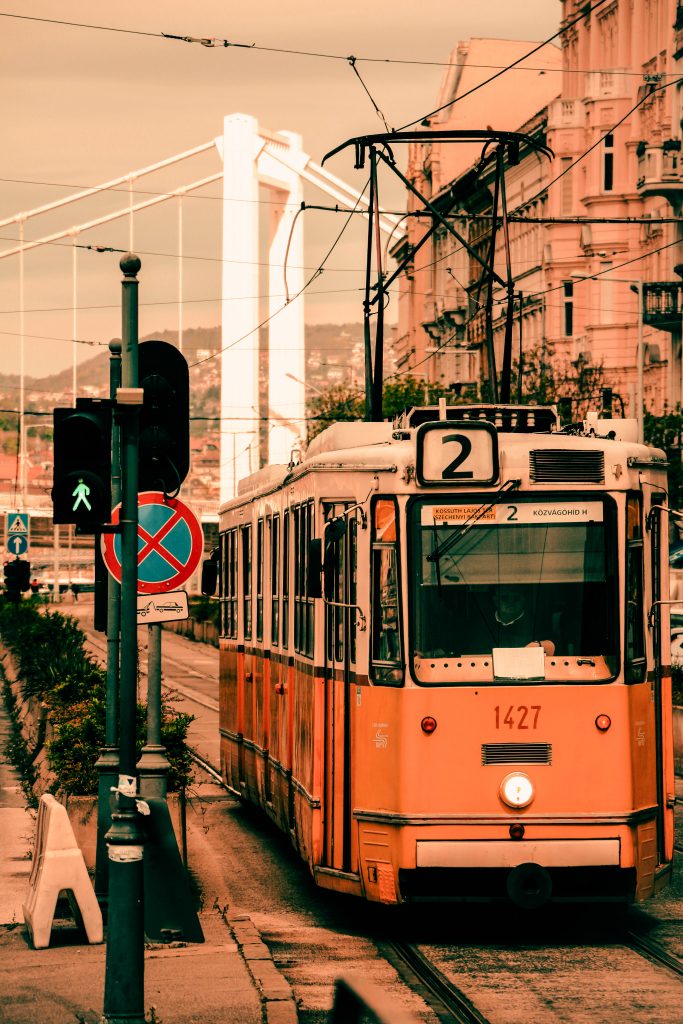
Budapest has a reliable and easy-to-navigate public transport system. Most rides (excluding the airport buses) cost 450 HUF. You can also purchase passes for unlimited rides over different durations, starting at 24 hours.
You can either buy a physical ticket before boarding or, much more conveniently, buy a ticket off the BudapestGo app and validate it using the QR code available before you board either the bus or metro. It also can help with route planning and real-time tracking info.
Budapest Card: Free and Discounted Attractions
If you like visiting museums and attractions while traveling, it may be cost-effective to invest in the Budapest Card, which you can purchase for different validity periods starting at 24 hours.
The 24-hour pass is 16,990 HUF as of 2026 and the 72-hour PLUS pass for 47,990 HUF includes one round trip on the MiniBUD airport shuttle. This felt pricey to me, but the Budapest Card includes a bunch of different attractions for free as well as discounts on others.
Accommodations
The Hive Party Hostel
Budapest, Dob u. 19, 1074 Hungary
Price: 21 euros for 2 nights in all-female dorm)
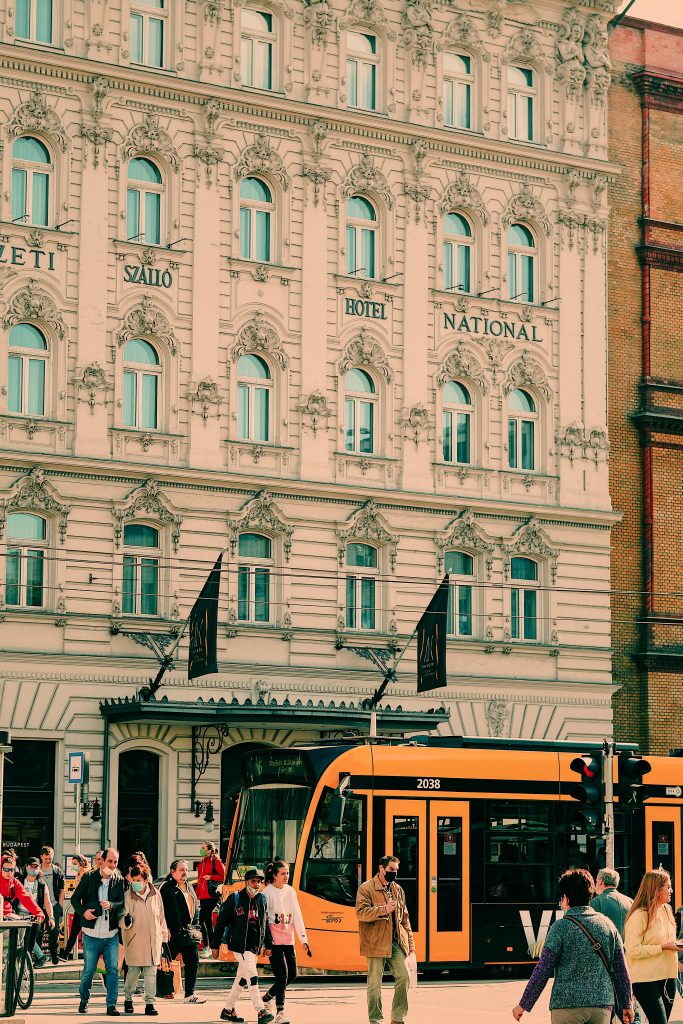
I stayed at the Hive Party Hostel in an all-female dorm and loved how central it was. I had no problems getting to the heart of the city quickly, and it’s in a well-populated area so I never felt unsafe walking to or from, even when I arrived at 1am.
The room itself was nice, and the locker was large enough for my bag and shoes. The bed was spacious and had a convenient outlet for charging, although the lack of privacy curtains was an odd oversight. The place also runs social events throughout the week, though personally I found the rooftop bar extremely underwhelming. Still, for the price, I was happy overall.
Alternative Accommodations
Sticking to the city center on the Pest side, other hostels that I considered for this trip and some hotels that I would recommend for people with a bigger budget are as follows:
Maverick has hostel locations throughout Budapest and has consistently high rating across platforms. I considered the Maverick Athenaeum location for 24 euros for two nights through Booking.com, though the Central Market location was also a good option.
For a private room option, I would consider East-West Budapest Boutique Hotel, which was about 150 euro for two nights when I was looking at booking. It’s not the most central location, but it’s certainly in walking distance to all the big attractions.
Ultimately, it comes down to your comfort level and budget. There are plenty of cheap hostels in the center if you’re willing to have a bed and not much else. And if you’re looking for a more luxurious trip, there are plenty of upscale (and often overpriced) hotels scattered throughout Budapest as well.
Weekend Trip Overview!
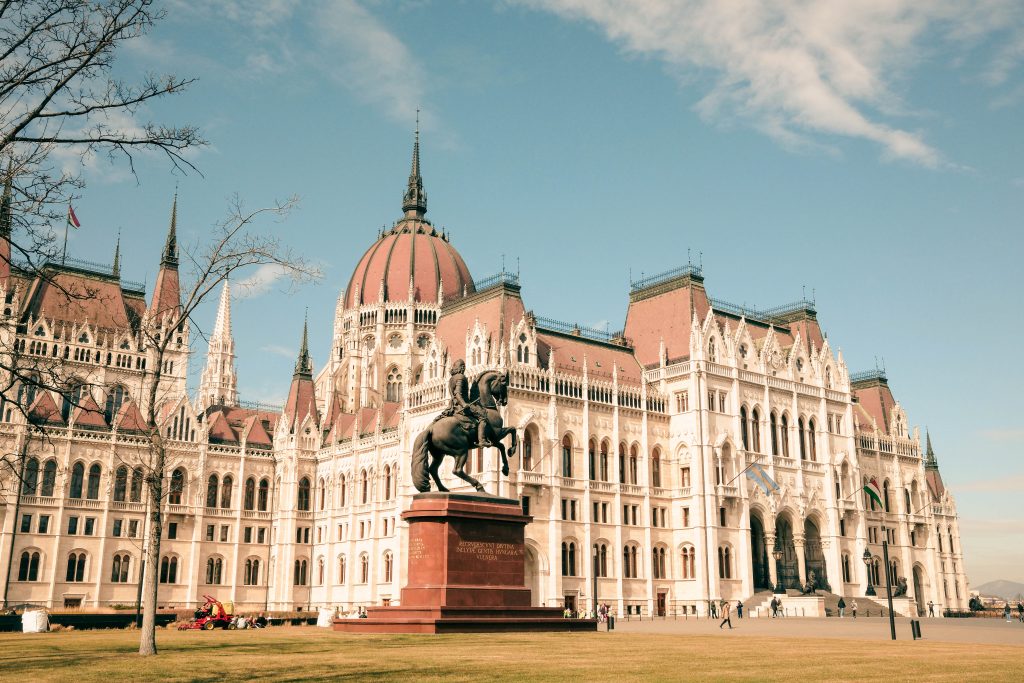
So you’re going to Budapest! Here’s my suggested itinerary based on my own personal experience going for a quick weekend jaunt. I arrived on a Saturday night and left Monday afternoon, and I packed a lot into that short amount of time (including watching a marathon—a happy coincidence).
Arrival Night
Depending on how far you traveled or how late you arrived, you can always take it easy, grab takeout, and hide away in your cozy hotel room or hostel pod until morning, which is what I did.
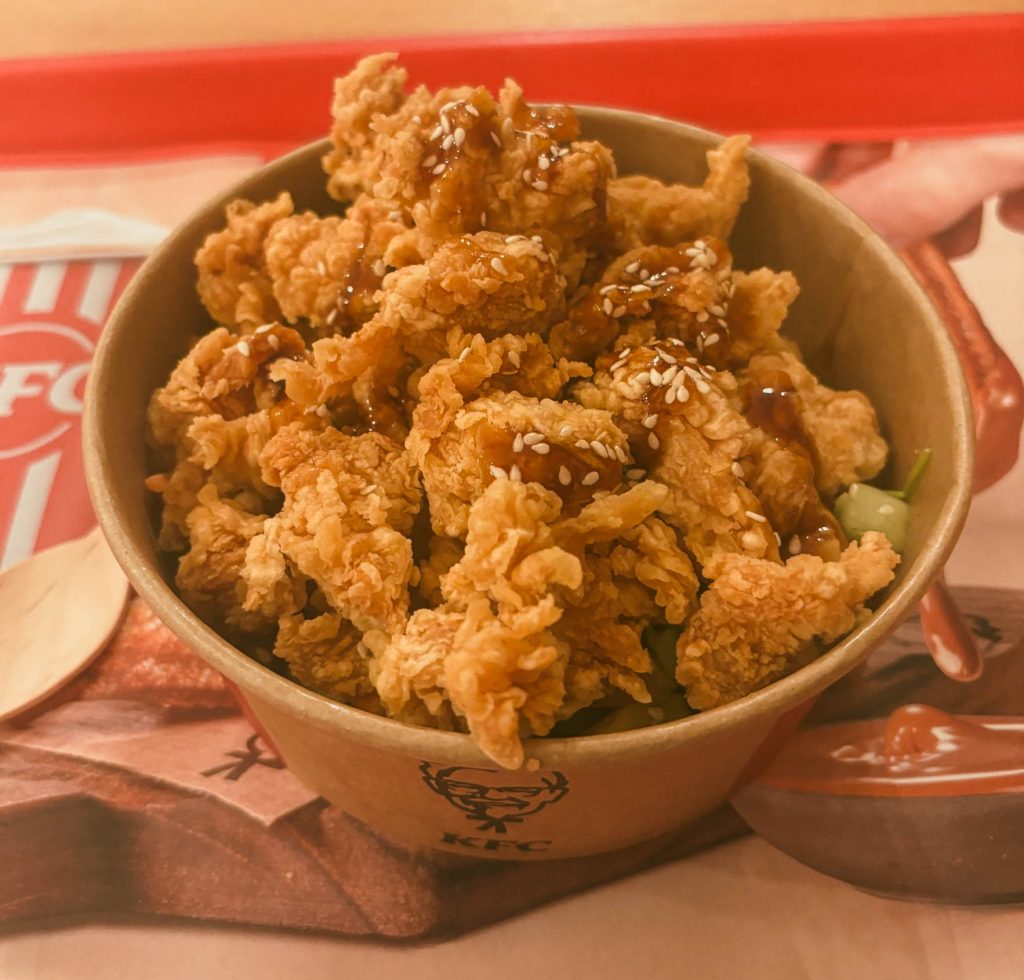
I’m including a few places to get a good late-night bite. Full disclosure, though, I absolutely got KFC while in Budapest because I wanted to try their ‘poke bowl.’ It was exactly as mediocre as you’d expect.
Late Night Bites
The following are open until at least 2am: perfect if you’re getting in late or need something substantial after a long night of revelry.
- PizzaMe – varies by location but usually open from 6pm to 6am – pizza and pasta for delivery or pickup, with several locations in Budapest.
- MiR Restaurant – open from 10am to 6am – a cafeteria-style kebab and gyros restaurant.
- McDonald’s – hours vary by location; the Blaha location is open from 10:30am to 7:30am.
Other late-night or evening food options include classic Hungarian street foods like lángos or chimney cake.
In the city center near the Ferris Wheel, there’s also a small crepe stand that sells mulled wine for 3 euros (which I could not find online to save my life, but it’s near Red’ N Cafe & Bar). I honestly don’t know if there was any meaningful amount of alcohol in it, but it was lovely to have a warm, spiced drink while walking around the city and along the river at night.
Day 1
Secret Museum, Walking Tour, City Park, Danube Cruise
Brunch: MITICO and the ‘Secret Museum’
Budapest, Kazinczy u. 47, 1075 Hungary
MITICO Breakfast and Brunch is a hotel breakfast buffet that you can get à la carte for 12.6 euros. The spread itself was decent, with a variety of sweet and savory main options (chili con carne, eggs and sausage, chia pudding, fruit, and yogurts, etc.), plus a couple of coffee machines and a selection of tea sachets and juices.
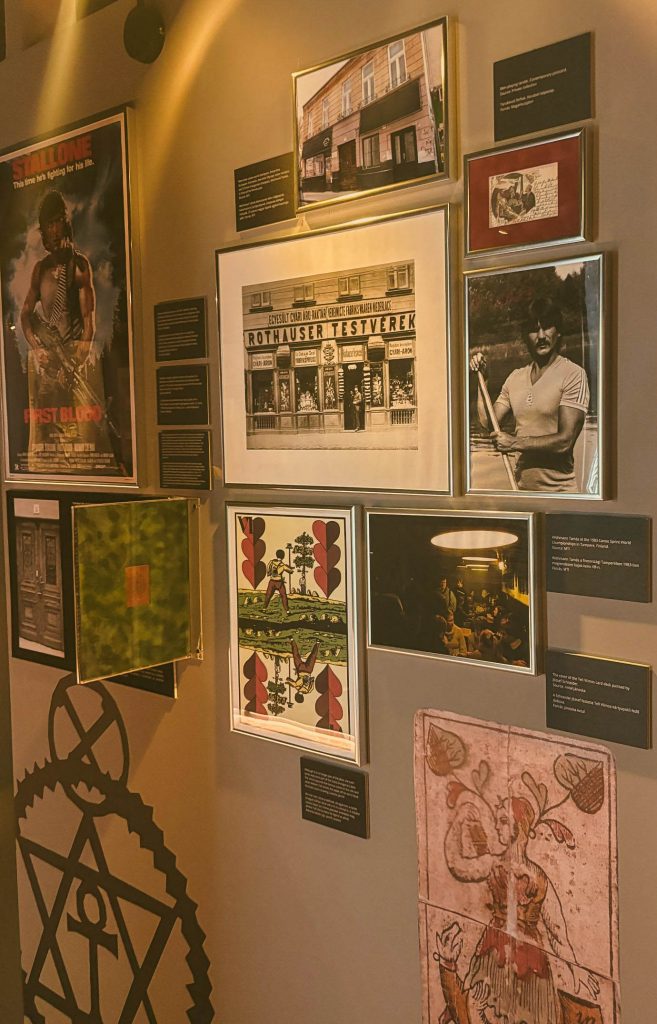
Is it the most impressive or tastiest breakfast cuisine? Absolutely not. The pastries, in particular, are especially one-note. However, it’s affordable and decent, and paying for the buffet also gets you entrance to the hotel’s ‘Secret Museum’ (normally 5 euros), which boasts revealing Hungary’s dirty secrets of old. It’s a cute little museum that spans two separate basement areas and has lots of interesting information about lesser-known Hungarian history.
Overall, it’s a good deal and a nice way to ease into your morning in Budapest while also learning more about the city and country.
Free Walking Tour: Budapest City Tour
Erzsébet tér, Budapest, 1051 Hungary (meeting point)
I love a free walking tour as an introduction to any city I’m visiting, and Budapest was no different. The company, TripToBudapest.hu, has several tours to choose from: Budapest City, Buda Castle, Jewish District, and (on Fridays in May and June) Communism Walking Tours.
I did both the Budapest City and Buda Castle tours. I recommend the Budapest City tour if you only have time for one, since it gives you a solid historical overview of the city center, with quite a few stops and, honestly, not a whole lot of walking. If you’re willing to brave the incline, however, the Buda Castle tour is lovely and lets you see many attractions in the Buda area—it’s just much more walking-heavy.
Also, ‘free walking tour’ is a misnomer. They’re free to sign up for, yes, but tip your guide. They operate on tips, so while you can technically can be a jerk and not pay at the end, don’t. The Trip to Budapest website has a tipping etiquette guide if you’re unsure what’s expected.
Lunch: SVOI Bisztró
Budapest, Nádor u. 34, 1051 Hungary
Right around the corner from where the walking tour ends (Parliament), SVOI is an adorable little bistro serving several dumpling varieties, including Ukrainian varenky, along with crepes, soups, and sides.
I had the potato and mushroom varenky, which were fabulous. The atmosphere is cozy, which is an impressive feat for a place in the city center during the weekend lunch rush. The food was yummy, the prices were affordable, and it’s a nice bolt-hole from the chaos if you find yourself in need of a reprieve.
If you’re looking for strictly Hungarian food, you’ll find plenty of options in this area. Retro Langos is a few minutes down the road for some iconic langos and a ton of variety—just know you may have to wait in line during peak hours, as it’s a tourist hotspot. There are also plenty of other Hungarian restaurants along that strip if you prefer to wander around and see what strikes your fancy.
Széchenyi Thermal Bath
Budapest, Állatkerti krt. 9-11, 1146 Hungary
The most famous of the thermal bathhouses in Budapest, Széchenyi Thermal Bath is an easy 20-minute bus ride from the city center.
I took the 72 bus, went to the outside of the bathhouse, and walked around the City Park that surrounds it, as I personally didn’t want to pay for what felt like a glorified heated pool (a bad experience at Bucharest’s Therme a couple of weeks earlier may have colored my thinking).
However, if it’s something you’re interested in, it’s likely a great way to spend an afternoon or even a full day. Entrance tickets start at 12,500 HUF on weekdays (entry only, excluding extras like towels, flip-flops, and drinks).
City Park
Budapest, City Park, 1146 Hungary
Like I said, I didn’t partake in the bathhouse itself, but instead spent time in the massive City Park—because I love a park. It was truly beautiful.
There’s a Japanese garden near the Budapest Zoo (5,500 HUF for a standard adult ticket, if you’re interested), and farther toward the center of the park is Vajdahunyad Castle (3,000 HUF for adults, including entry to the Gatehouse Tower).
Snack: Lángos Center
Budapest, Garay tér 20, 1076 Hungary
If you’re feeling peckish, I’d suggest trekking out to Lángos Center for a bite. It’s a small shop with plastic checkered tablecloths and squeaky metal chairs that make you feel certain you’ve found a real family establishment.
They have standard lángos offerings, along with a lángos “burger,” mozzarella sticks, and some sweet treats. I ordered the lángos topped with sour cream cheese, onions, and bacon, and it was phenomenal.
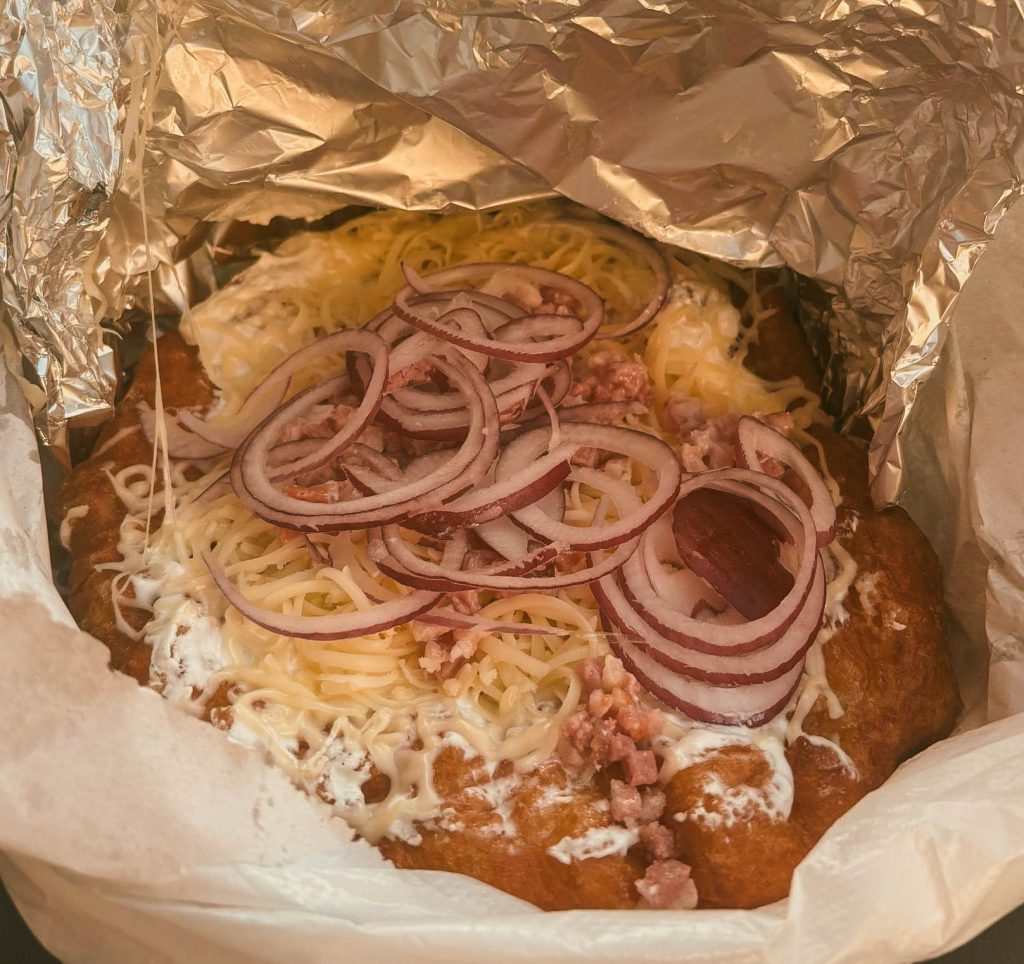
It’s not as fancy as, say, Retro Lángos with their gimmicky stuffed lángos, but it was perfectly good and clearly authentic—lots of locals were either sitting or grabbing takeout. Go here for a to-go order and walk to the park across the street for a lovely little picnic moment.
Museum of Fine Arts and Museum of Ethnography
Just outside of the park are also a few neat museums: the Museum of Fine Arts (5,800 HUF for a standard ticket) and the Museum of Ethnography (4900 HUF, excluding temporary exhibits).
Personally, I can’t attest to either, as I spent most of the day walking around the park reading a book, but both have great reviews and are solid options if you’re a museum lover looking for exhibits a bit off the beaten path.
Dinner: Paprika Vendéglő
Paprika Vendéglő: Budapest, Dózsa György út 72, 1071 Hungary
If you’re still near City Park at dinnertime, Paprika Vendéglő offers traditional Hungarian cuisine in a warm, rustic atmosphere at a more reasonable price point than you’ll find in the city center. If possible, I’d recommend calling ahead for a reservation during peak times, especially if you’re in a larger group.
Alternative Dinner: Bors Gastro Bar
Bors Gastro Bar: Budapest, Kazinczy u. 10, 1075 Hungary
If you’re closer to the city center, there are, of course, plenty of Hungarian restaurants around.
There’s also Bors Gastro Bar, a cool, creative sandwich shop with an ever-changing menu. The vibes and decor are delightful, and the food is well worth the wait in line. They also offer takeout and delivery.
Nightcap: Evening Danube River Cruise
This is such a popular tourist activity that it’s a free part of the Budapest Card if you choose to buy one.
If you decide to take a river cruise, there are many options that vary in quality, length, and price, including daytime and nighttime departures (I highly recommend the nighttime option).
Some cruises offer full meal service and live performances and others—like the one I took—are simpler and only provide a small glass of juice or wine. You can book them online (I used GetYourGuide because of a cashback offer, though it’s usually cheaper to book directly) or in person at the stands along the Danube.
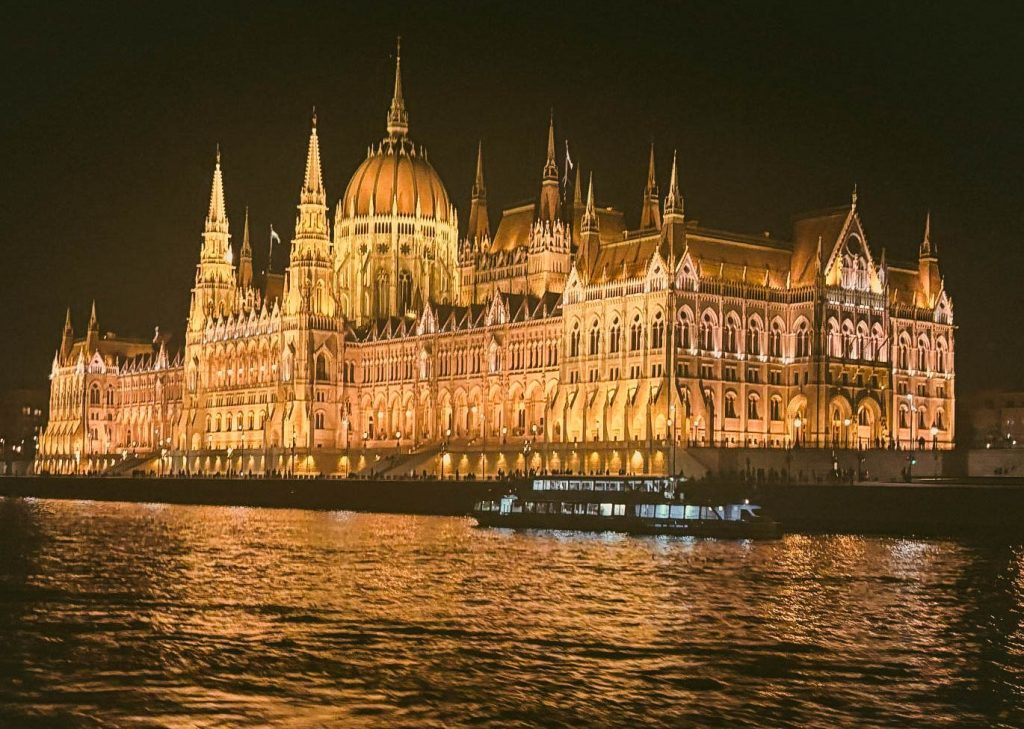
Having experienced the Istanbul dinner cruise with a three-course meal, Turkish dancing, and unlimited drinks for $45, I felt that paying $16 for a 50-minute cruise with only a truly terrible glass of prosecco was a bit of a rip-off. However, I’ll be to first to admit that seeing the Parliament building at night from the river, warmly lit as if it had swallowed a small sun, was absolutely dreamy.
If you’d rather skip the cruise, an evening stroll along the river can be just as enjoyable, especially if you grab a cup of mulled wine or hot cocoa. Either way, make sure you take the time to see the Parliament building at night.
Day 2
Breakfast: Franziska – Pest
Budapest, Rumbach Sebestyén u. 3, 1075 Hungary
My hostel recommended Franziska because it was just a few blocks down the street. I showed up around 8:30amon a Sunday and was seated immediately, and by the time I left an hour later, there was a line out the door.
They use a walk-in system on weekends, so there’s no need to make a reservation. There are two locations, one on each side of Budapest.
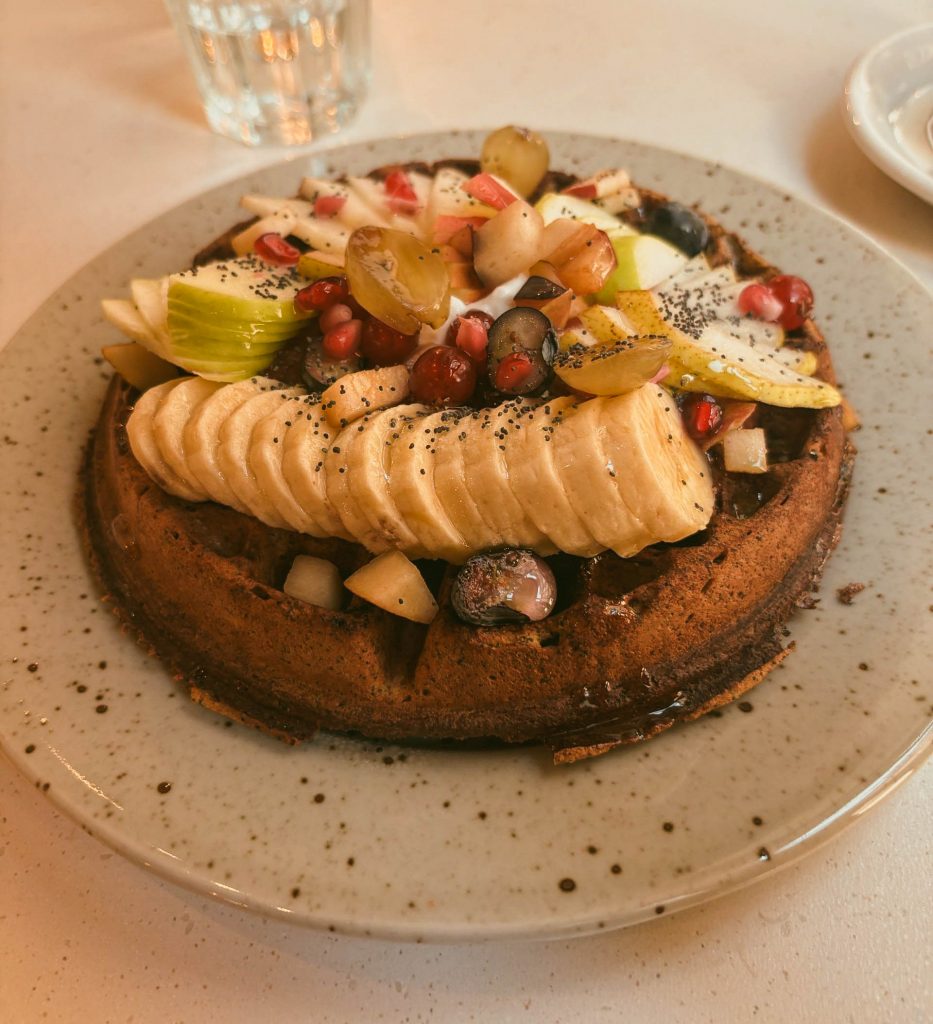
I tried their Franziska Waffle, and my only critique is that there wasn’t more of it. It was delicious food, and it was clear they used quality ingredients and cared about their dishes. The cafe had very cutesy vibes, and although it was slightly pricier than my usual budget fare, the quality justified the price.
Alternate Breakfast: Cookie Beacon Brunch
Location 1: Budapest, Hercegprímás u. 15, 1051 Hungary
Location 2: Budapest, Ferenciek tere 1, 1052 Hungary
Another breakfast option is Cookie Beacon Brunch. They have two locations in Budapest, both on the Pest side. While I didn’t visit the Budapest locations, the Cookie Beacon in Bucharest was one of my favorite dining spots there. I tried half the menu while living there and I recommend the Breakfast Pretzelbun Sandwich and the Pistachio Cream and Crumbs cookie (though honestly, all their cookies are excellent).
Morning Activity: Buda Castle Walking Tour
Batthyány tér, Budapest, Batthyány tér 1, 1011 Hungary (meeting point)
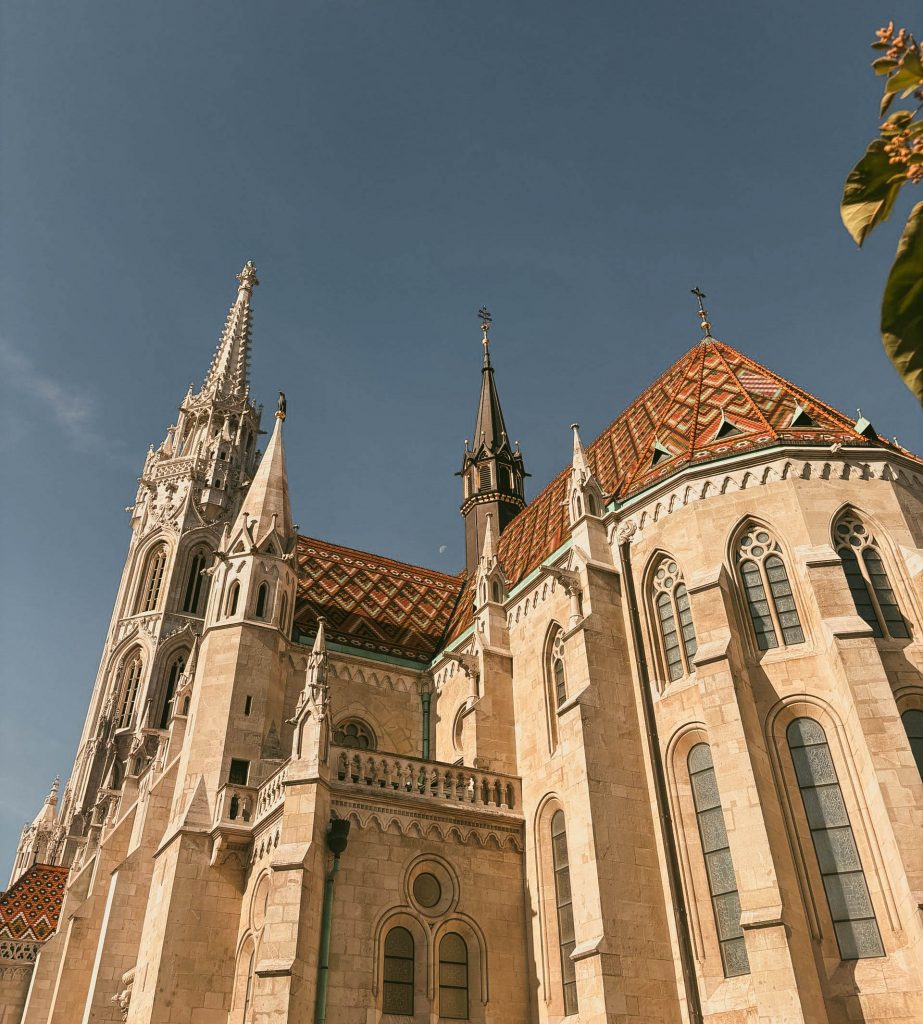
As mentioned, the Buda Castle tour involves a lot of walking and stairs, but the walk around the Buda side was lovely, and the views made the challenging hike well worth the effort. The tour ends at Buda Castle, so you can go inside if you wish, though there’s plenty to enjoy outside in the gardens, bazaar, and the promenade overlooking Buda.
I spent time wandering the gardens and promenade while reading a book, which was a wonderful way to enjoy a few hours at no extra cost.
Near the castle in front of Sándor Palace, you can also watch the changing of the guard, which is a fun bit of tradition that happens every hour from 8:30am to 5pm.
Museums Near Buda Castle
If you’re a history or museum lover, Buda Castle is surrounded by places to explore, the largest being the National Gallery (5,400 HUF for a standard adult ticket) and the Buda Castle History Museum (3,800 HUF).
These major museums are included with the Budapest Card.For a more eclectic option, check out the National Pharmacy Museum (800 HUF). Though small, it’s interesting and fun, featuring a medieval alchemy lab. Tickets are 20% off if you have the Budapest Card.
You can also visit the Royal Palace, but only via a guide tour, which costs approximately €18.
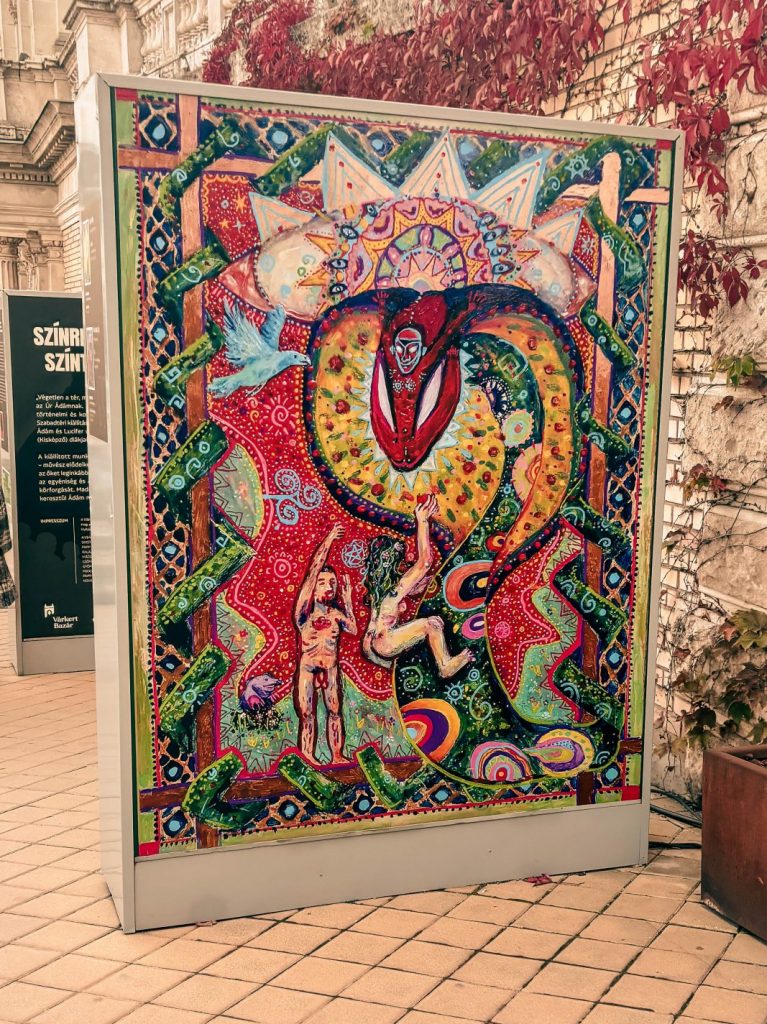
Personally, I preferred exploring the exterior of Buda Castle, especially the free outdoor art exhibition, which showcased some truly spectacular pieces.
Lunch: Trofea Grill Restaurant (Hungarian Buffet)
Budapest, Király u. 30-32, 1061 Hungary
Trofea offers a buffet with Hungarian dishes, plus fruit, cheese, and meat platters, a salad bar, dessert bar, grill station, and unlimited drinks, including beer and wine. Visiting for lunch, particularly on a weekday, allows you to enjoy almost the same spread at a lower price (26 euros). The food was truly wonderful. I sampled a bit of everything over about two hours, and unlike some buffets, I found the food to be consistently high quality.
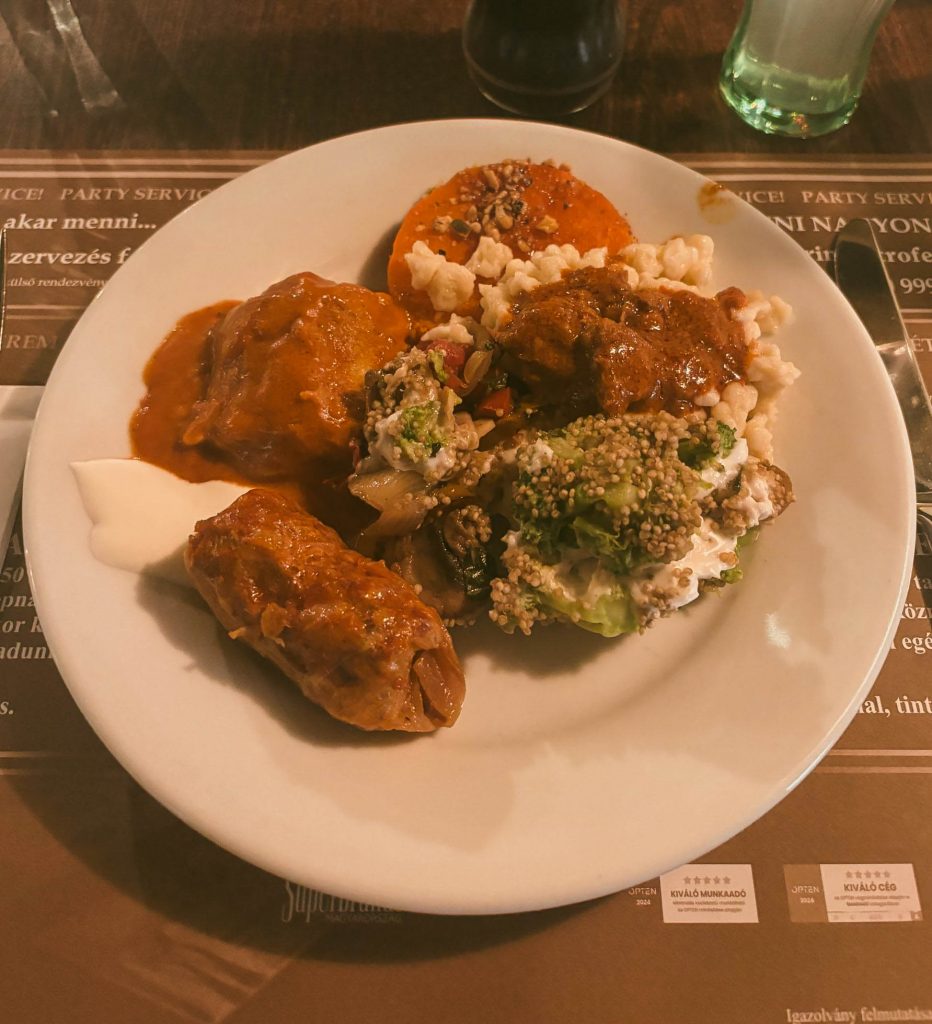
The made-to-order grill station was my favorite: you select the items to be grilled, then receive a buzzer to collect your food when ready.
Overall, this was a great way to sample many traditional Hungarian dishes on a short trip without feeling overly full for the rest of the day. Instead, I had one large, delightful meal (pictured is plate 1 of 7), which kept me well-fueled for the rest of the day.
Central Market Hall
Budapest, 1093 Hungary
Although the Central Market Hall mostly caters to tourists, and aside from some meat, cheese, and produce stalls, many of the other booths carry the same kitschy items (bags of paprika at roughly five times the actual cost). Still, it’s worth walking through for the vibrant marketplace atmosphere.
If you want to buy something, I recommend heading down to the basement area. Down an unassuming set of stairs, you’ll find an Aldi (my original target) and a long, mostly empty row of stalls with more locally made goods. My favorite was a pickle stand where all the pickled items had smiley faces on them—called ‘Smiley’s,’ of course. The basement was also where I found a souvenir shop with much more reasonable prices than the upstairs stalls.
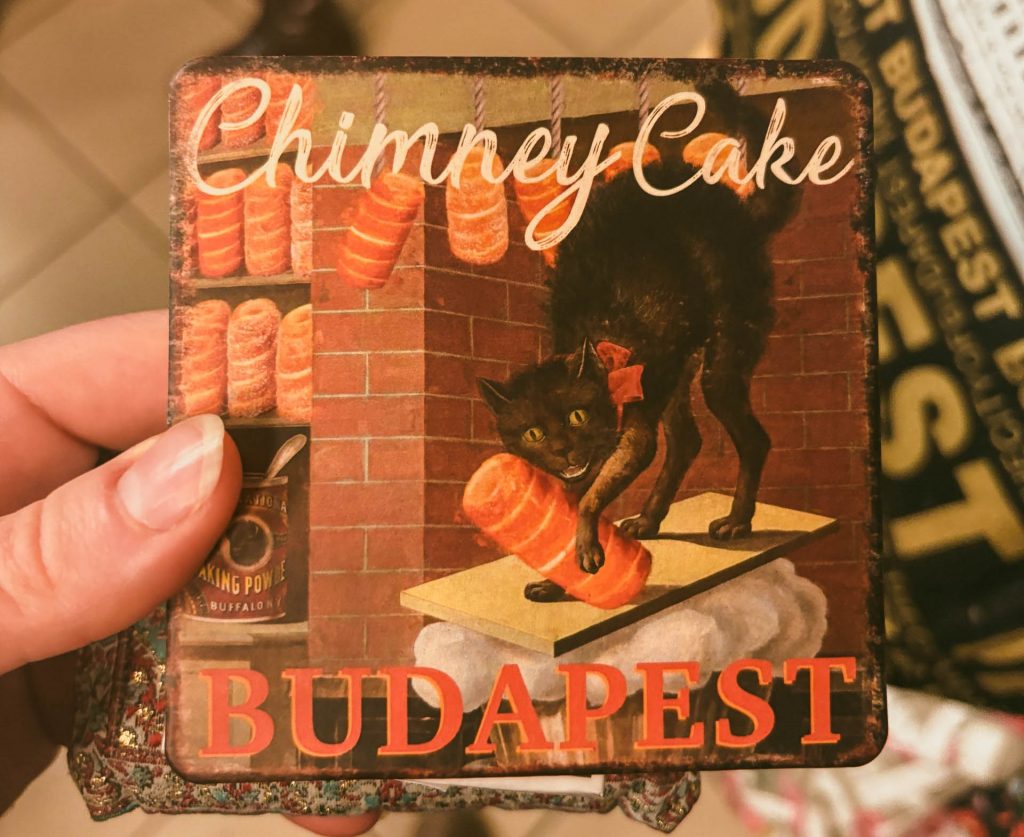
I bought a positively demented little coaster of a black cat in a chimney cake shop for one euro, and I have never loved anything more. Highly recommend giving the place a look, if only for the bold renditions of scantily-clad patriotic women illustrated in famous Budapest locales (another tempting coaster option, though the cat won out in the end).
Walk along the Danube
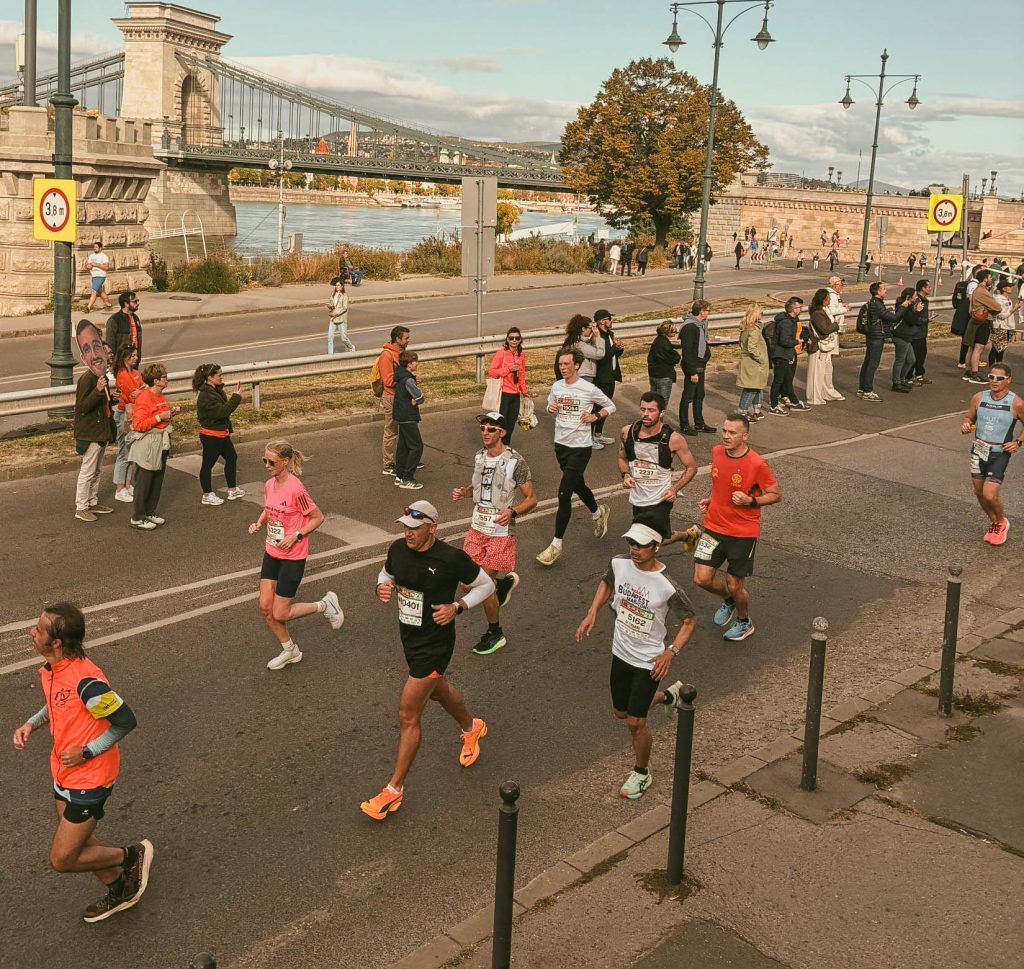
I happened to visit on the day of a marathon along the river, so I got to cheer on the runners alongside a large crowd of both locals and visitors. It was a great moment of camaraderie that I was lucky to be a part of.
The walk along the Danube is great at any time of the day, but if you can stomach it, the very early morning when no one else is really around was serene. You can watch the sunrise along the water, and afterwards stop for coffee or breakfast at one of the nearby cafes.
Survival language
Hungarian is a challenging language and is not widely spoken outside Hungary or in certain regions of Romania, Slovakia, Serbia, and a few other Eastern European countries. One of my walking tour guides mentioned that no Hungarian expects foreigners to speak the language, given how challenging it is. So, at least in the capital, nearly everyone speaks English, and you won’t need Hungarian to get by. Still, it’s helpful to know a few basic phrases (‘please,’ ‘thank you,’ etc.) to use while visiting a foreign country.
| English Phrase | Hungarian Phrase | Approx. Pronunciation |
| Hello (formal: new people or group) | Sziasztok | (see-yah-stock) |
| Hello (informal: friends, family, etc.) | Szia | (see-yah) |
| Goodbye (formal) | Viszontlátásra | (vee-son-la-tash-ra) |
| Goodbye (informal) | Viszlát | (vees-lat) |
| Yes | Igen | (ee-gen) |
| No | Nem | (nem) |
| Thank you | Köszönöm | (kew-sew-newm) |
| Thanks | Köszi | (kew-si) |
| Please | Kérem | (keh-rem) |
| Excuse me | Elnézést | (el-neh-zaysht) |
| Nice to meet you | Örvendek | (er-ven-dek) |
| Cheers! (lit. ‘to your health!’) | Egészségedre! | (eh-geh-sheh-geh-dreh) |
Final Thoughts
Budapest is a wonderful city with a rich history and lively urban center. It’s worth a weekend trip for sure (or a longer stay if you can manage it), and you certainly won’t run out of things to do and places to see while you’re there. I loved my short time in the city, and if I get the chance to return—whether to Budapest or elsewhere in Hungary—I’ll be grateful for the opportunity to explore further.