The Ultimate Rabat Travel Guide
Overview
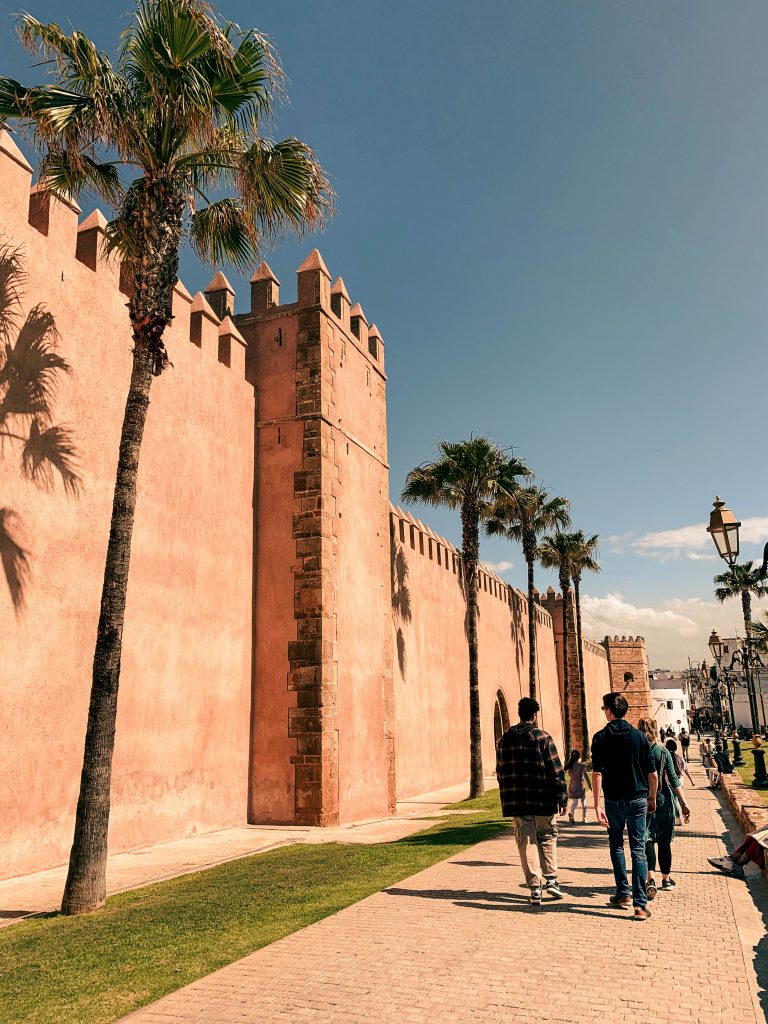
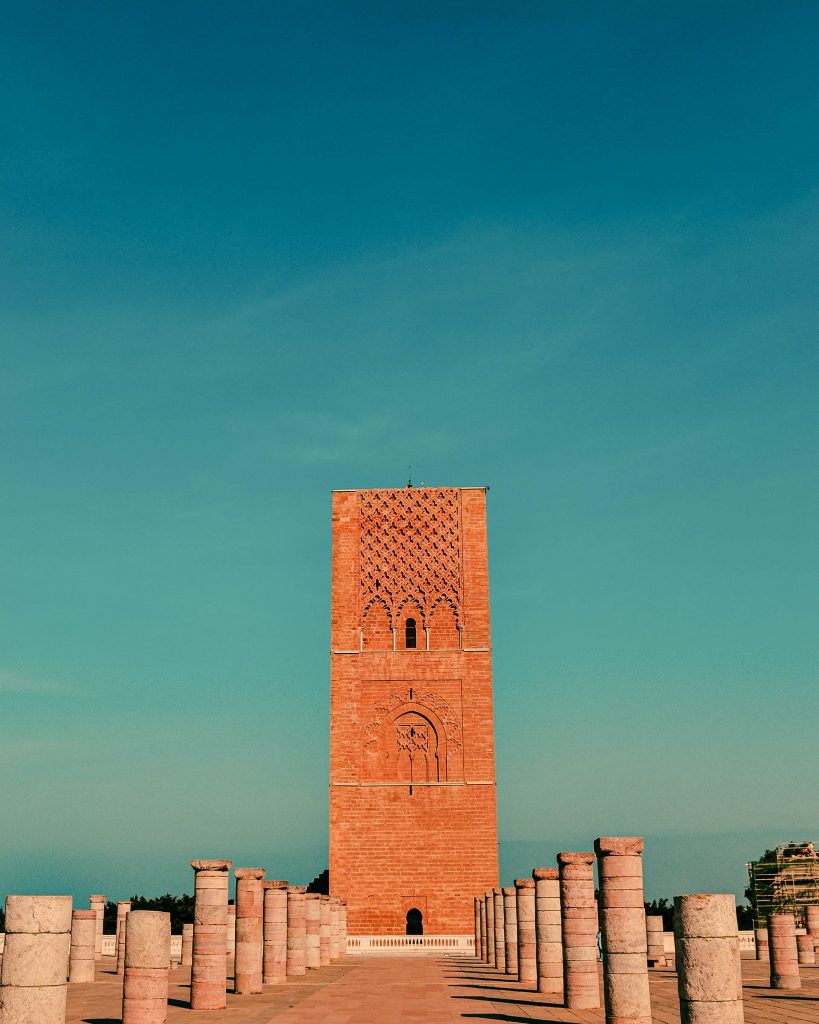
As Morocco’s capital and political heart, Rabat offers a unique balance of historical sights and contemporary urban life. Visitors can explore centuries of Moroccan history at landmarks such as the Kasbah des Oudaïas, Hassan Tower, and the ancient ruins of Chellah, while still enjoying a calm, cosmopolitan atmosphere shaped by wide boulevards, coastal views, and modern infrastructure. The city offers plenty of exploration, with a mix of museums, beaches, public gardens, and a growing food and nightlife scene. Rabat also serves as an easy base for reaching other major cities across Morocco due to its strong public train system.
History
Rabat was founded in the 12th century by the Almohad dynasty, though the area had been inhabited long before; the nearby site of Chellah was developed as a Roman settlement in the 1st century AD. In the 17th century, Rabat and neighboring Salé formed the Republic of Bou Regreg, a semi-independent state established by Andalusian refugees and known for its privateering activity along the Atlantic coast.
While parts of Morocco experienced intermittent European influence along the coast, Rabat remained largely under Moroccan control until the French Protectorate, when the city was designated the administrative capital in 1912. After World War II and growing nationalist movements, Morocco gained independence in 1956, with Rabat retained as the nation’s capital. In recognition of its layered history and urban heritage, Rabat was designated a UNESCO World Heritage Site in 2012.
Culture
Rabat’s metro area is home to nearly two million people, reflecting a population primarily of Arab and Amazigh (Berber) descent, alongside long-established Jewish communities and a growing foreign expat presence. Islam is the official religion of Morocco, and most residents are Sunni Muslim, while Judaism and Christianity are practiced by small but historically significant minorities.
Hospitality is a cornerstone of Moroccan culture, rooted in Islamic traditions of generosity and respect for guests. You will find most Moroccans to be extremely open and welcoming. It is not uncommon to be invited over for tea by someone you’ve just met, and as a guest in someone’s home, you will be treated extremely warmly. Expect abundant portions and repeated encouragement to eat and drink generously, as these are the tenants of a good, well-mannered host.
Language
Darija, the Moroccan dialect of Arabic, is the most widely spoken language in Rabat. However, Morocco is home to many languages and dialects. Many of these are specific to different regions of the country and are part of an oral tradition, meaning they have limited written forms and standardized rules. The three major Amazigh dialects—Tamazight, Tarifit, and Tashelhit—each encompass smaller regional variations.
French remains widely used in education, business, and government, a legacy of the French Protectorate, while English is increasingly spoken, particularly among younger Moroccans. In northern Morocco, Spanish is also common. In Rabat, you will often find English speakers in tourist, professional, and university settings, though proficiency varies.
Food + Drink
Traditional Moroccan cuisine is known for its aromatic spices and rich, savory dishes like tagine (named for the dish it’s prepared in) and couscous. Moroccan cuisine is shaped by Amazigh, Arab, and Jewish communities, as well as Mediterranean and Andalusian traditions. Along with more famous main dishes, Morocco also has delicious pastries (like Briwat and Msemen) which are sold by street vendors throughout the city and can be either savory or sweet depending on how they are served. In Rabat, you’ll find an array of casual local eateries, street food stalls, traditional bakeries, and sit-down restaurants ranging from very affordable to very upscale.
Must‑Try Dishes
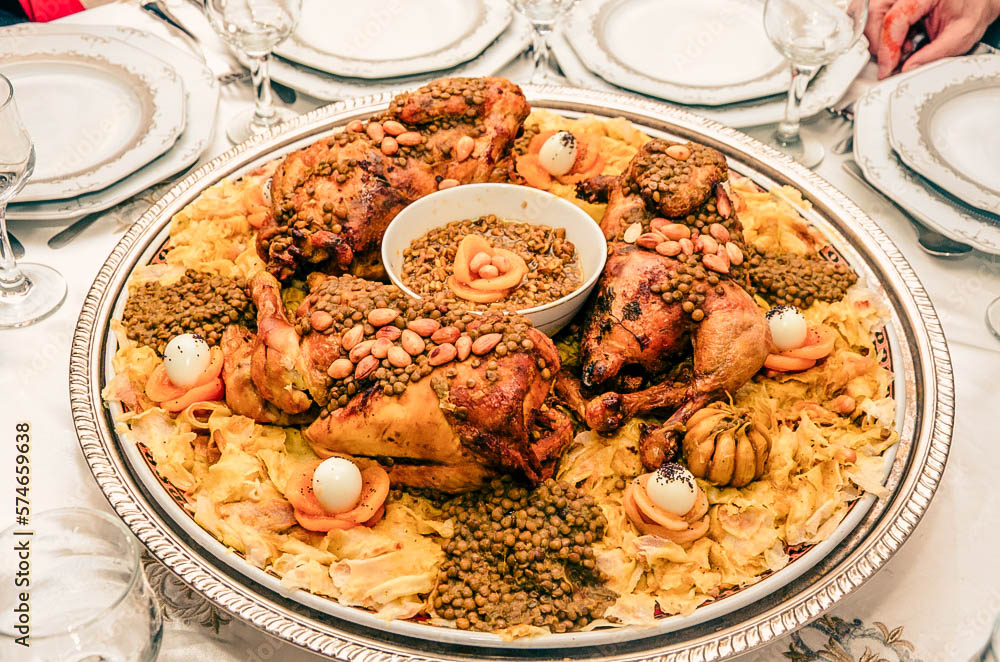
Rfissa is my favorite Moroccan dish by far. Made with chicken and lentils stewed in a spice-rich broth and served over shredded msemmen or trid, this dish is typically reserved for special occasions—particularly for women who are postpartum—and is meant to be enjoyed communally. The rich, savory broth soaks into the msemmen, making it a truly exquisite comfort meal.
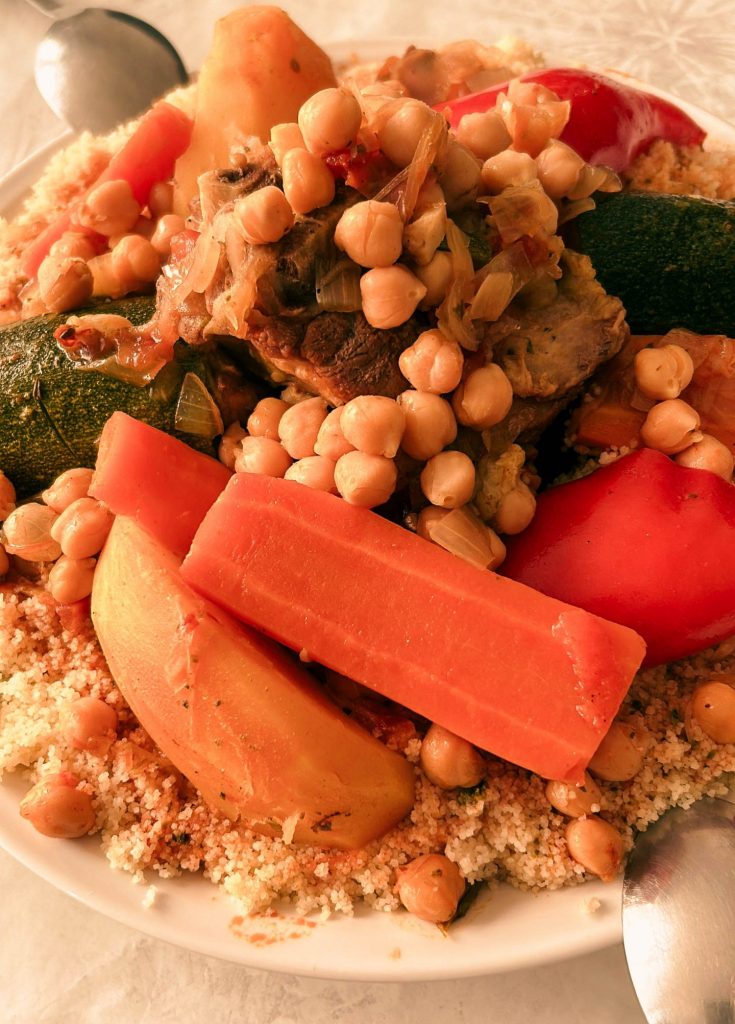
Moroccan-style couscous is prepared slowly and topped with vegetables and meat. It’s typically served family-style and eaten with either a spoon or, more traditionally, by hand. In Moroccan culture, couscous is traditionally eaten at Friday lunches, which are often more elaborate and meant to bring families and friends together.
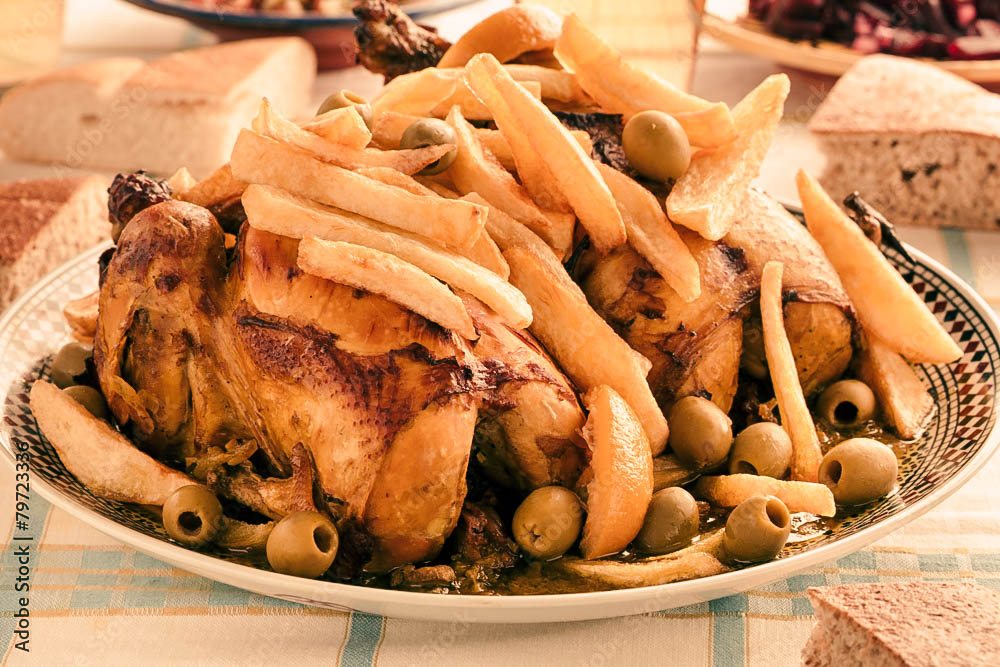
Djej M’hammar—sometimes called “Wedding Chicken”—is another dish typically reserved for special occasions. It’s a slow-cooked chicken marinated to create daghmira (a caramelized onion broth made with chicken giblets), and is richly garnished with olives and preserved lemon. It’s usually served with bread (khobz), or occasionally with fries.
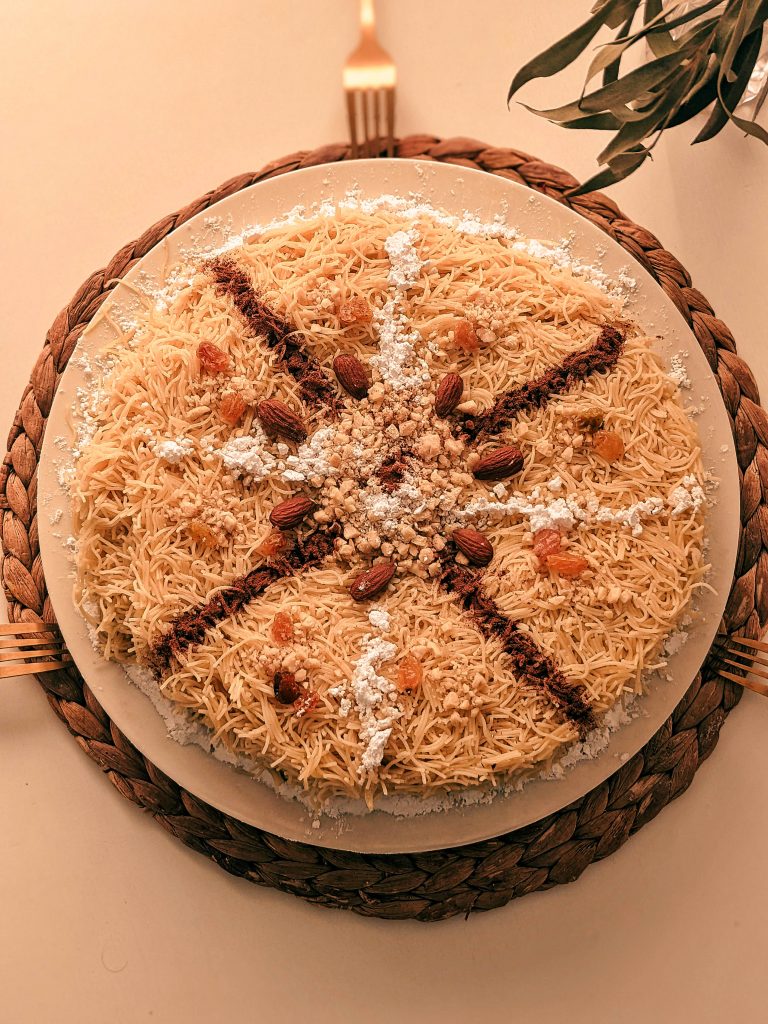
Seffa is a lesser-known but interesting Moroccan dish that’s prepared in one of two ways: as a main dish topped with meat (usually chicken), or as a sweet side dish. It’s made from steamed couscous or vermicelli and topped with powdered sugar, cinnamon, honey, and almonds. I prefer the savory main-dish version for its sweet-and-salty flavor profile, though the sweet side-dish version is light and refreshing as well.
Drinks
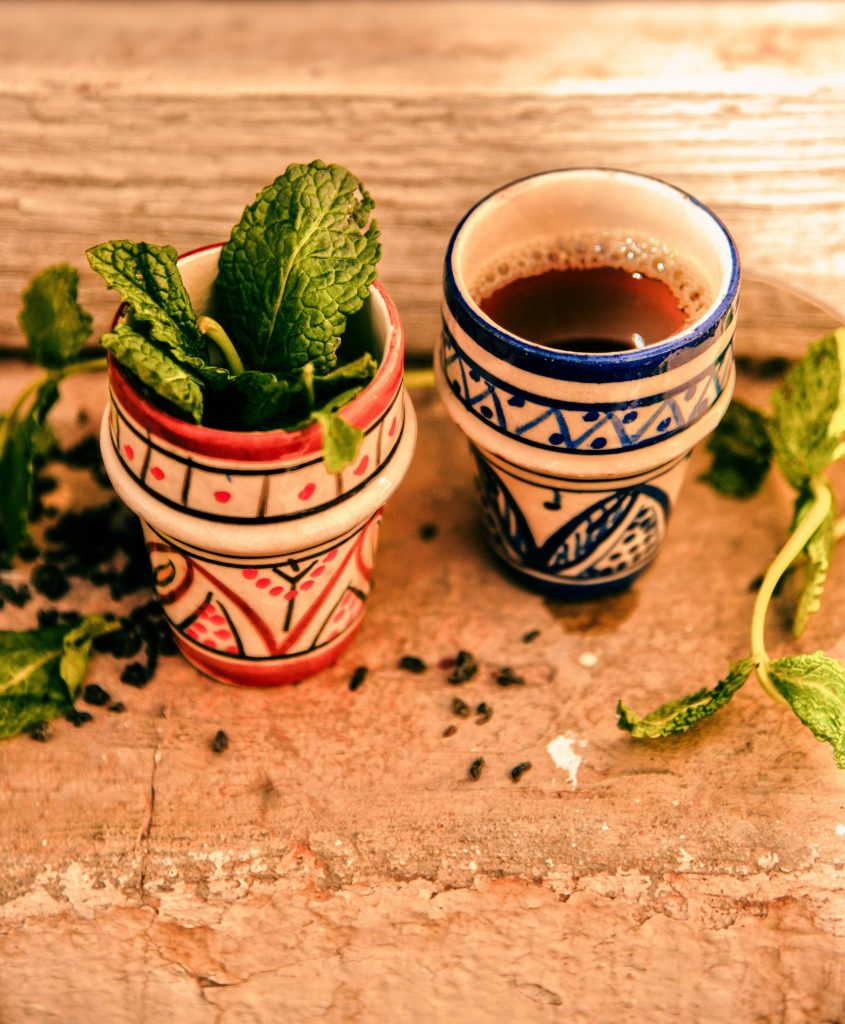
Ubiquitous in Morocco, tea is a staple of daily life, and different regions of the country have their own ways of preparing and serving it. The most famous version is Moroccan mint tea (atay b nʿnaʿ), a hot green tea brewed with generous amounts of fresh mint and sugar. I used to drink it every day, and—barring threats of violence from my dentist (it’s very sugary)—I thoroughly enjoyed it and still recommend the experience.
Another Moroccan specialty, though less common than mint tea, is zeh-zeh, which roughly translates to “earthquake.” Made with an avocado base, the drink is blended with milk, dates, bananas, and nuts, and is usually topped with whipped cream. While the exact recipe varies by location, at its core it’s an incredibly decadent milkshake and a must-try if you have a sweet tooth.
Alcohol is heavily restricted in Morocco. While it’s legal to purchase and consume alcohol in licensed venues, drinking is socially and religiously discouraged for Moroccan Muslims. That said, Morocco—particularly in the Fès-Meknès region—has several vineyards, and the country also produces its own beer, Casablanca. It’s not the finest beer in the world, but it’s relatively affordable since it’s locally produced—and an ice-cold Casa Citron with a lemon wedge is my go-to bar drink while I’m in Morocco.
Safety Info
In general, Rabat is tourist-friendly and, aside from scams and petty theft, is widely considered a safe city for visitors. That said, unwanted attention does exist in Rabat, particularly for women and especially for those traveling solo. This typically manifests as nonviolent verbal harassment, such as catcalling or prolonged staring. On several occasions during my time in Morocco, I was also followed on foot or by car.
While violent crime against foreigners is rare, non-physical sexual harassment is relatively common. While not officially endorsed, it is often culturally minimized, with the responsibility frequently placed on women to avoid or prevent it (for example, by limiting time alone in public or avoiding being out late).
I lived in Morocco for over 2 years, and while I rarely felt truly unsafe—especially in well-populated cities like Rabat—the unwanted attention can be draining and uncomfortable over time. If you are a solo female traveler, it’s worth having coping strategies that work for you and help you feel more comfortable navigating public spaces.
What to Expect
If you’re a woman traveling alone, you may likely encounter street harassment in Rabat, particularly in busy or tourist-heavy areas like the Old Medina, the beaches, and the Kasbah. Less common, but still possible, are situations where men approach you directly and do not take “no” for an answer. While this behavior is uncomfortable, it rarely escalates into physical danger, especially during the day and in well-traveled areas.
Traveling in a group tends to reduce unwanted attention, especially if there are men present. If that’s not an option for you, some women find that wearing headphones and sunglasses—even without music—can help discourage engagement. This helped me tune things out, but everyone’s comfort level is different: use whatever strategies work best for you.
Common Scams to Avoid
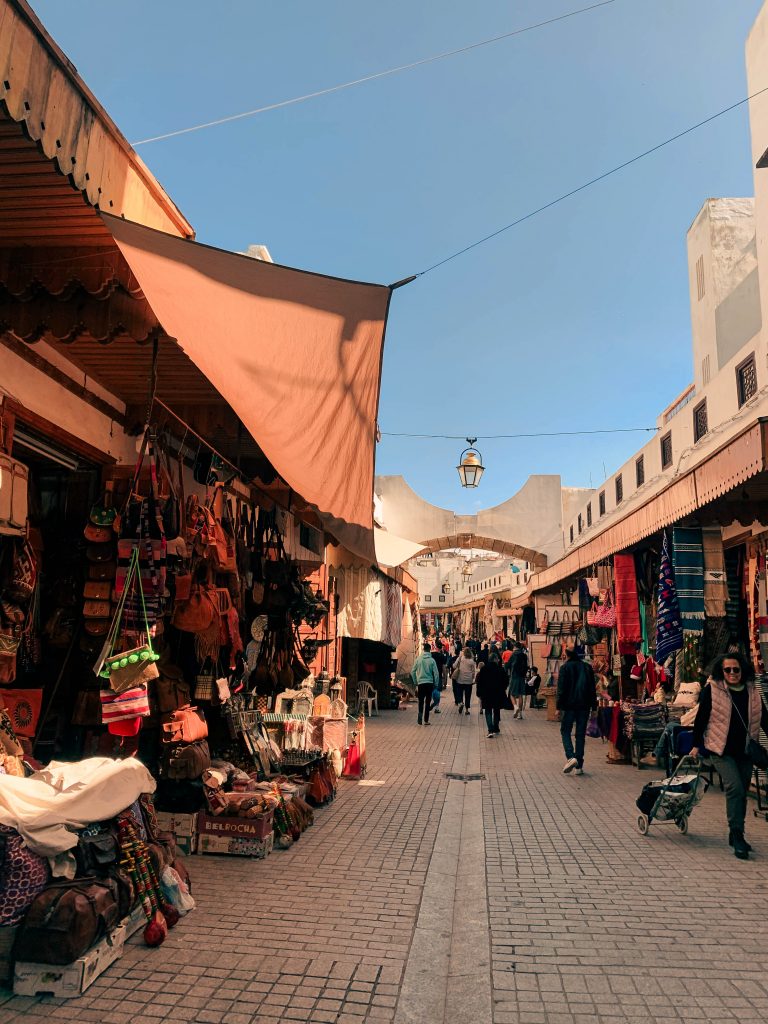
Any service or product geared toward tourists may be priced higher than what locals pay. Many small shops, especially in the Old Medina, don’t have fixed prices, which means vendors might quote foreigners significantly inflated prices.
Bargaining is standard in Morocco. Vendors often quote up to three times the price they are actually willing to accept, and haggling can be a fun way to reach a fair deal for both parties.
Some vendors may still try to charge tourists well above typical rates. To avoid overpaying, familiarize yourself with general prices beforehand. Many shops in Rabat display fixed prices, which can serve as a helpful guide. Always compare a few options before buying, and if you’re not comfortable bargaining, stick to shops with fixed prices. You might not get the lowest deal, but you’re more likely to pay a fair amount.
Taxis
Taxi drivers in Morocco sometimes charge foreigners higher rates, particularly at major transport hubs like train stations where travelers may be tired or carrying luggage. For example, I once had a Rabat driver insist on 60 dirhams for a ride that should have cost 6, which was so frustrating that I walked instead.
In my experience, this happens less frequently in Rabat than in cities like Marrakesh, where it’s common enough that I often avoid taxis.Drivers generally comply if you ask them to use the meter, and many will do so without being asked, which is standard practice. If a driver refuses or quotes a fixed price, politely decline and wait for another taxi—cabs are usually plentiful in busy areas and along main roads.
If you find yourself stuck in a situation where you have to say yes to an inflated price (like at the train station with a ton of bags), just remember that it’s not the worst thing in the world. I usually tell myself 60 dirhams isn’t worth my sanity or my back.
Booking Tours
This is somewhat unavoidable: if you book guided tours in Morocco, especially multi-day trips, expect to pay tourist prices for tourist-oriented experiences, including restaurants and souvenir stops. For example, on a 3-day Merzouga trip I booked, many stops felt designed for tourists to spend money, and lunches were not included and were often pre-arranged at remote restaurants with no alternatives.
I completely understand the appeal of letting someone else handle planning and navigation. While I personally recommend booking your own trips and excursions when possible, guided tours can still be convenient. Just be aware of the added costs and tourist-oriented stops.
Nighttime Safety
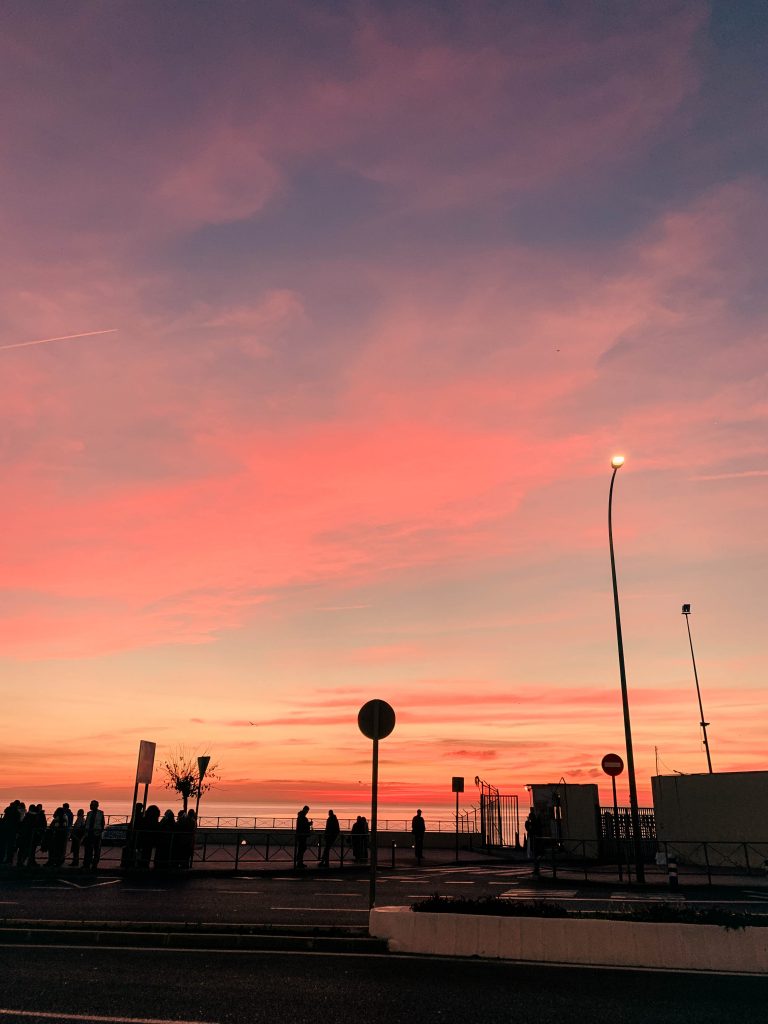
Street harassment is more frequent after dark, although it can occur at any time of day, particularly for women or foreign visitors. I wouldn’t describe Rabat as outright unsafe at night, but walking alone after dark can definitely feel uncomfortable.
I’ve walked alone at night myself, and honestly, it required mentally preparing every time. While on a strict budget, I often chose to walk, but in hindsight, I wish I would have taken taxis more often.
Short distances or walking in a group are usually fine, but if you’re traveling alone after dark, I generally recommend using taxis or ride-shares.
LGBTQIA+ Info
Homosexuality is criminalized in Morocco, with penalties including fines and up to three years in prison. While prosecutions are relatively rare, people have been charged as recently as 2024. As a result, openly queer spaces are virtually nonexistent in most areas of the city and country. There is an underground queer community in Rabat and other major cities, but it is not publicly visible and not oriented toward tourists. LGBTQIA+ travelers should exercise caution and discretion at all times.
Must‑See Attractions
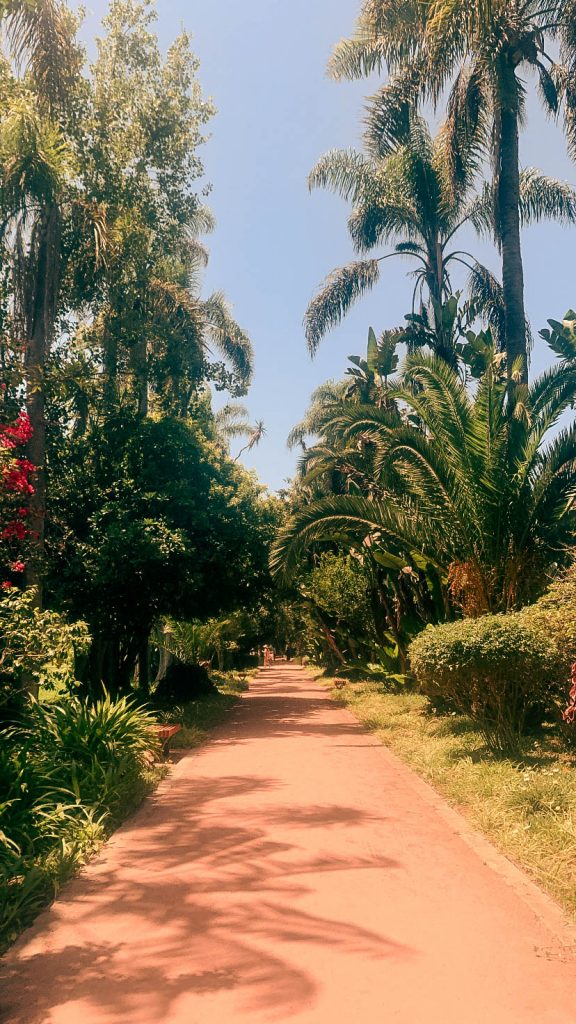
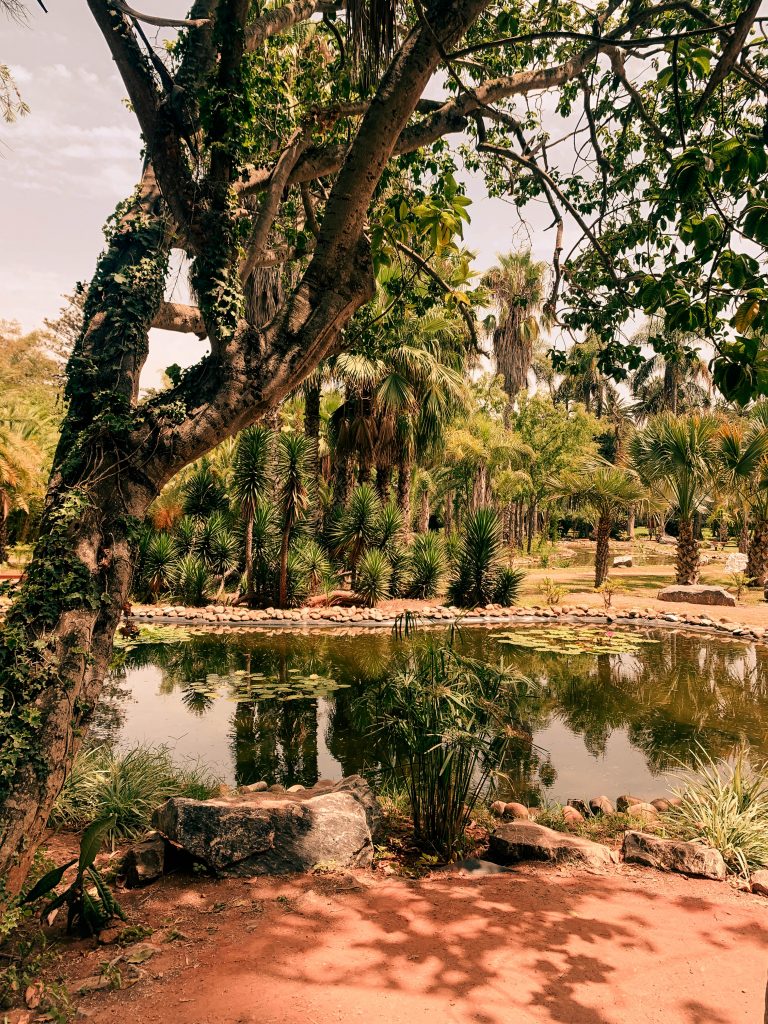
Botanical and Andalusian Gardens
Botanical Garden, Av. Annasr, Rabat, Morocco
Rabat has public parks and gardens throughout the city, but the Botanical Gardens and Andalusian Gardens—located across the street from each other—are especially beautiful. They are filled with exotic foliage and are ideal for walking or relaxing. Both gardens are free to enter, generally open from sunrise to sunset, and the Botanical Gardens occasionally host events throughout the year.
Les Jardins Exotiques de Bouknadel
KM 13, Km 13 Rte de Rabat, Salé 11000, Morocco
If you have time, consider visiting Les Jardins Exotiques de Bouknadel, about 15 km outside Rabat. The gardens can be reached by bus from Nouzat Hassan Gardens (roughly a 50-minute ride) or by petit taxi for around 60 dirhams. Admission is 20 dirhams. The gardens feature a wide variety of exotic and unusual plants, and you could easily spend a couple of hours exploring. As a bonus, you’ll find cats, ducks, and turtles roaming the grounds—though if you prefer furry animals, you might want to skip the reptile exhibit.
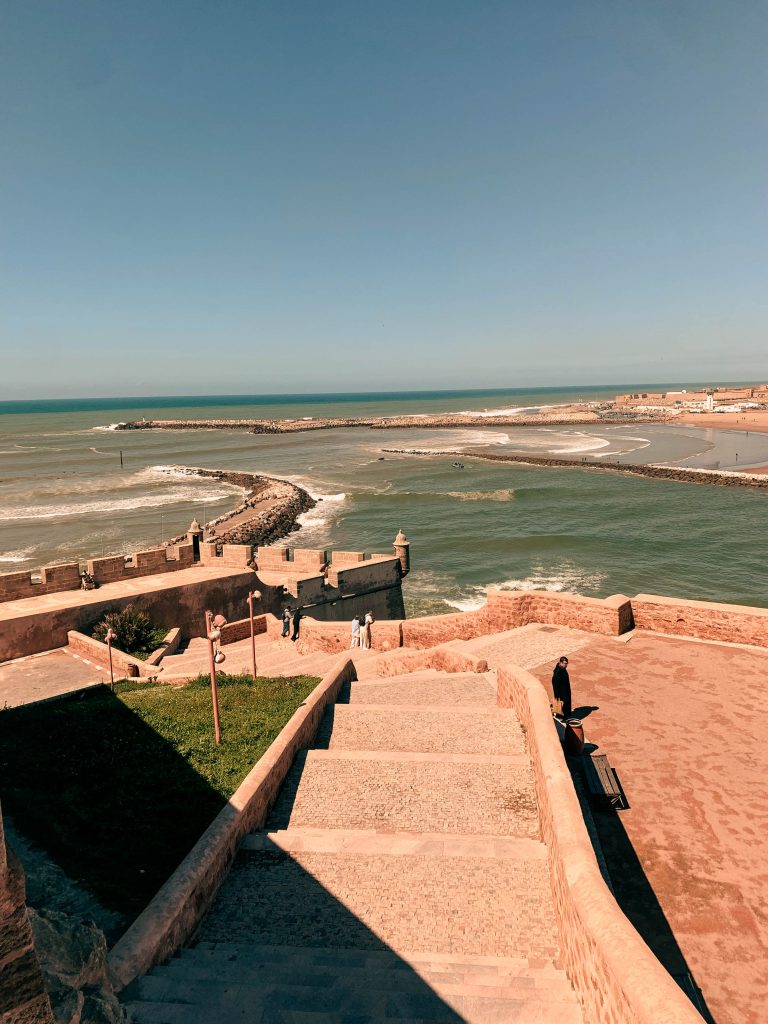
Kasbah des Oudaias
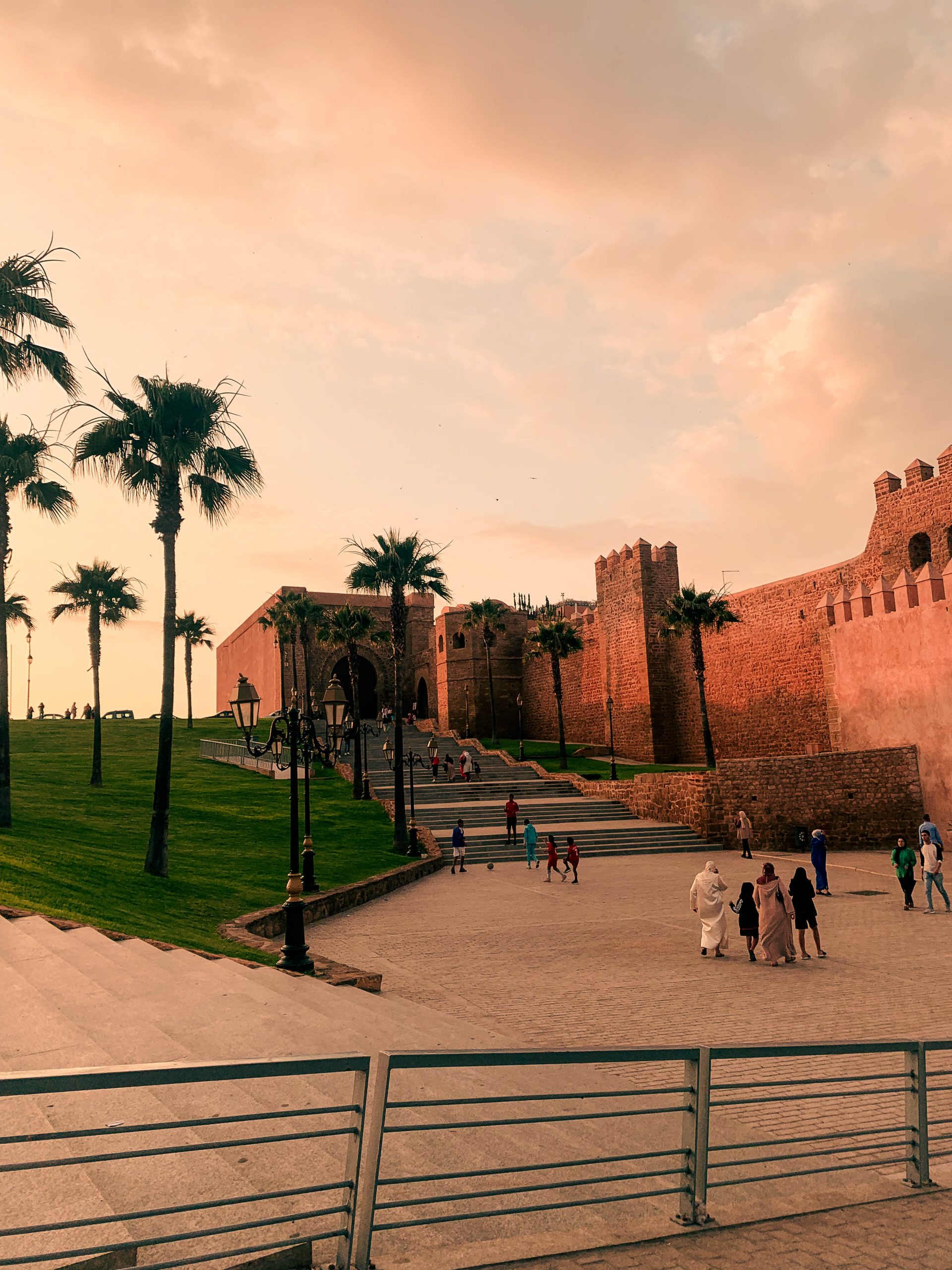
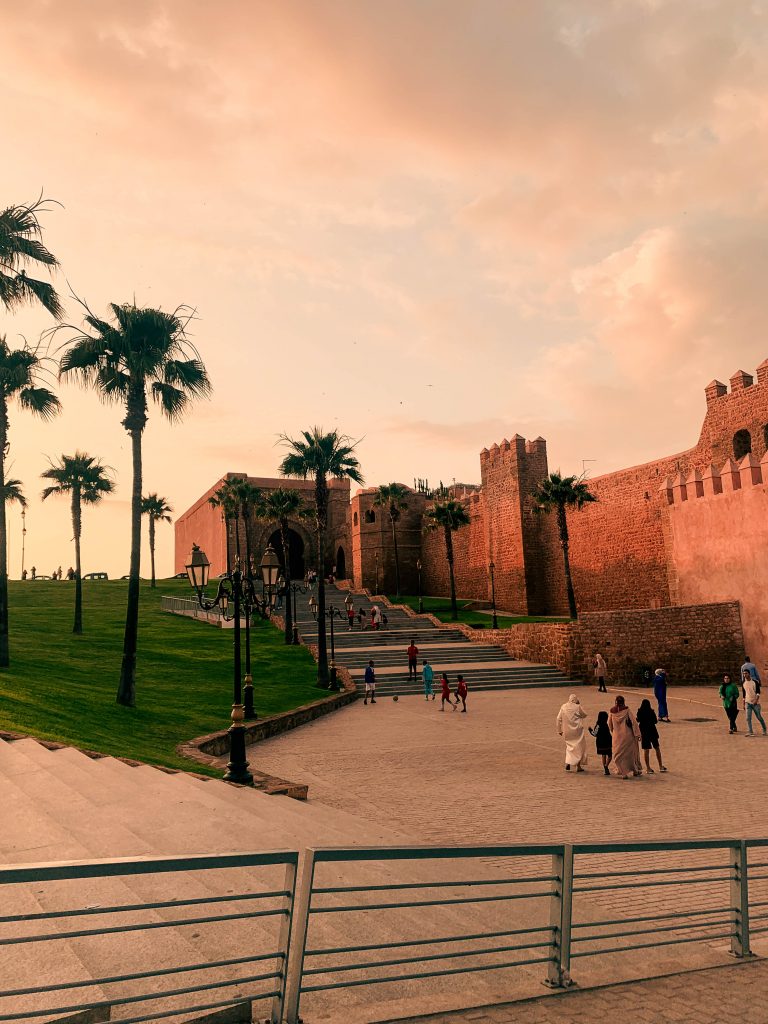
The Kasbah is the old fortress on the northeastern part of Rabat overlooking Salé. It’s free to enter, and the path to the overlook is filled with shops and casual restaurants. The top of the castle features a beautiful view of the Atlantic (try it at sunset!) and sometimes has street performers and music. You can stop for a quick photo or take your time wandering, shopping, and relaxing at the overlook.
Old Medina
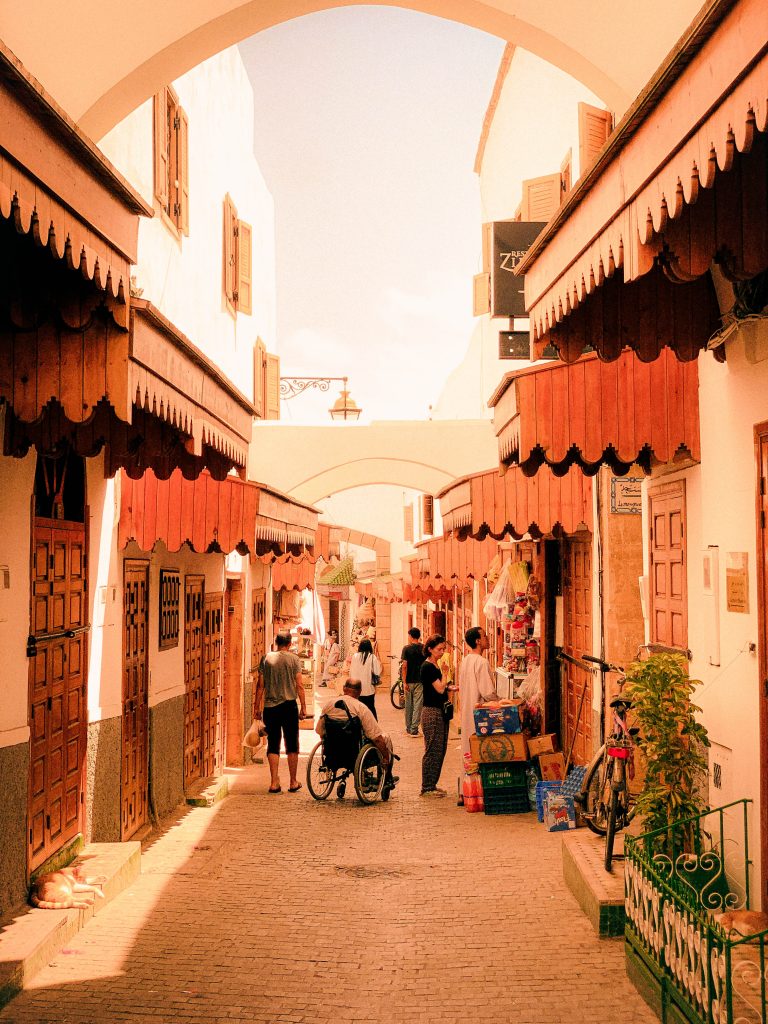
Rabat’s Old Medina is large and sprawling, but most sites of interest for visitors are concentrated around Bab el-Had, the Medina’s main entrance. Along its streets, you’ll find restaurants, cafés, bakeries, street food vendors, and shops of all kinds. The Medina can feel overwhelming, especially if you’re new or visiting during peak hours, but it’s worth exploring to experience the city at its liveliest. Be mindful of crowds, as it’s easy to get disoriented.
Museums (Photography, Modern Art, etc.)
Rabat’s most popular museums include the Museum of History and Civilizations and the Mohammed VI Museum of Modern and Contemporary Art (MMVI). For something less visited, the National Museum of Photography is worth a stop—it features rotating exhibitions of Moroccan and regional photographers. The building itself is architecturally interesting, and the exhibits are engaging. The museum is open every day except Tuesday, and admission is 20 dirhams for adults.
Restaurants
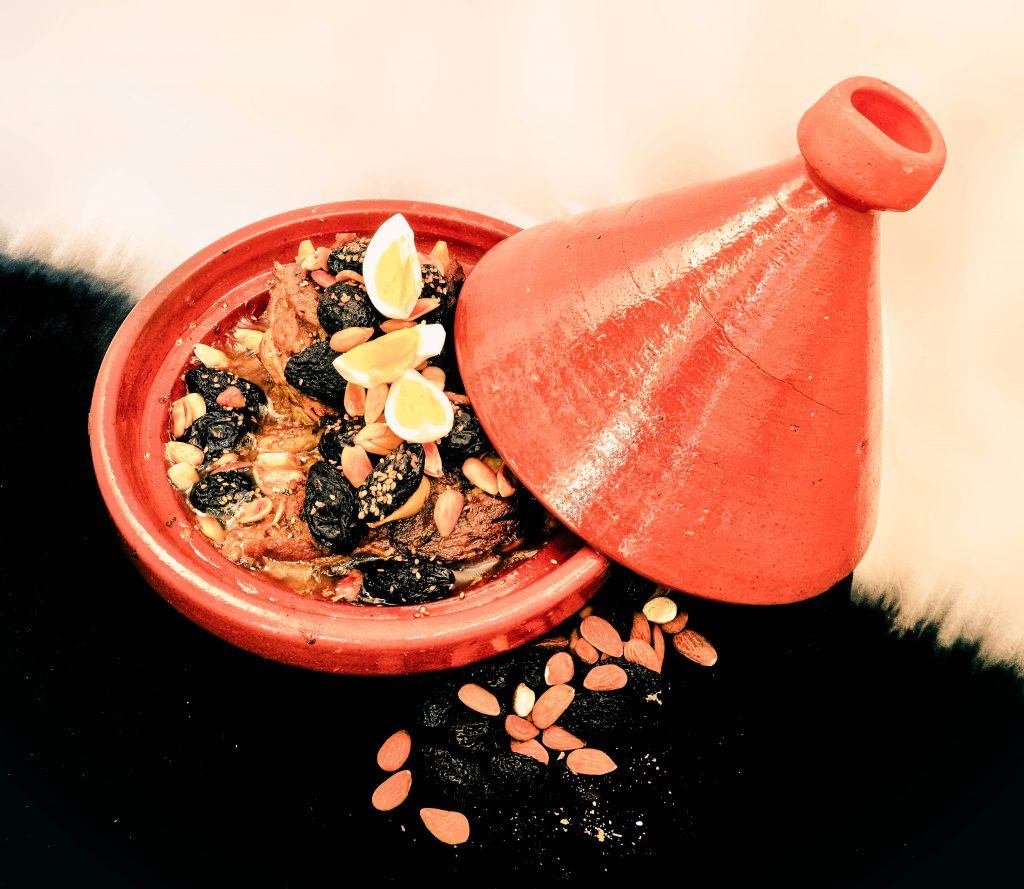
- Dar Naji Agdal (26 10000 Av. Omar Ibn Al Khattab, Rabat, Morocco) – One of the few Moroccan restaurants I frequented, Dar Naji nails the traditional aesthetic, and every dish I’ve tried has been flavorful and satisfying. I especially recommend the beef and prune tajine (l7am barqoq) or their Friday couscous.
- Yamal Acham (5 bis، 5 Av. Al Maghrib Al Arabi, Rabat 10060, Morocco) – A casual Syrian chain that’s a local favorite, there are several locations in Rabat. My favorite is the one near the Old Medina, but all of them are good except for the Arribat Center food court spot. The menu is huge and packed with authentic Syrian dishes, all of which are delicious. Don’t skip the mint lemonade—it’s a must. I also recommend sharing hummus for the table and trying the chicken shawarma wrap.
- Clay Oven (6, RUE AL ARZ, MAHAJ, Rabat, Morocco) – An Indian restaurant a little outside the city center, Clay Oven is absolutely worth the drive. The naan is incredible, and their Butter Chicken and Tikka Masala mains are excellent. Prices are slightly higher than other local restaurants, but the warm atmosphere and quality of the food make it worthwhile.
- Ty Potes (11 Rue Ghafsa, Rabat 10000, Morocco) – Once described as an expat bolthole, this French restaurant serves elevated dishes and, importantly, hard cider—a rarity elsewhere in Morocco. I loved watching the calm evening gradually turn into a lively bar scene, as locals and expats gathered to chat over drinks later in the night.
- Boquería Fina (26 Av. Oqba Ibn Naafi, Rabat, Morocco) – A small, discreet spot across from the Arribat Center. Boquería Fina serves excellent mains and appetizers, plus an impressive cocktail menu. Their bruschettas are fantastic, and their weekday meal deals make it a solid choice for both food and drinks.
Breakfast/coffee
- Boumalek Délice (25C2+8QQ, Rabat, Morocco) – A small, casual cafe serving standard Moroccan breakfast and brunch options, they had an egg and cheese crepe that rocked my world. I recommend it for a cheap breakfast if you find yourself nearby.
- Versailles Cafe of Arts (Rue Addis Abeba, Rabat, Morocco) – A delightfully odd cafe near the beachfront that features a dark, moody interior and slightly overpriced crepes. I wouldn’t go here for the food alone, but the interior design is absolutely worth seeing. Perfect for a coffee and a photo break.
- Boho Cafe (10 Rue EL Yamama, Rabat 10000, Morocco) – A fan-favorite near Rabat Ville train station, Boho has great brunch options (including the elusive bagel with cream cheese) and solid iced coffee at very reasonable prices. The café is whimsical and small, so you may have to wait for a table during peak hours, but they do takeout if you’re in a rush. If you’ve got some time, it’s definitely worth stopping by.
Fast‑Food / Takeout Options
- Les Délices De Pékin (44 Rue Aguelmane Sidi Ali, Rabat, Morocco) – Best Chinese food in the city —not that there are terribly many. The pineapple chicken is divine, and the dining area is actually quite nice if you want to sit instead of grabbing takeout.
- OPPA Chicken (14 Rue Oued Fès, Rabat, Morocco) – A Korean fried chicken spot that also serves ramen and tteokbokki. Skip the ramen (it’s instant), but the chicken is fantastic. I recommend pairing it with the cream tteokbokki—the sweet-and-spicy sauce is my favorite combo.
Nightlife
- SOttoSOpra (10 Rue Al Marj, Rabat, Morocco) – Recommended by a local friend, this small Italian spot has a cozy bar atmosphere. It’s located in a less touristy area, which means drinks are more affordable and the vibe is casual. Great for hanging out with friends or enjoying a relaxed evening.
- Croon Lounge (Center Agdal, Av. Inaouin, Rabat 10000, Morocco) – Situated in the basement of the Marriott, Croon Lounge offers a modern lounge setting with music and great cocktails. It’s a convenient option if you’re staying nearby or want a more upscale environment without leaving the city center.
- Rockers (78 Rue Oued Ziz, Rabat, Morocco) – A pub with an “American rock” theme. If you’re expecting a spectacular show, you might be underwhelmed, but it’s perfect for drinks, especially during happy hour, and for enjoying loud music with friends. They also host karaoke nights, which can be a lot of fun.
- Sky Lounge Rooftop (33 Av. Moulay Youssef, Rabat 10000, Morocco) – Tucked away on the rooftop of a hotel near the train station, Sky Lounge offers good cocktails and a beautiful view of the city skyline. It’s especially nice for sunset drinks and casual conversation. Their bar food is decent if you need a light snack.
Logistics
Entry Requirements
Visa-Exempt Nationalities: You may currently enter Morocco without a visa for up to 90 days. Your passport should be valid for at least 6 months beyond your intended stay. Authorities may also request documentation such as proof of onward travel, proof of sufficient funds, and/or proof of the purpose of your visit (tour bookings, hotel reservations, etc.).
Visa-Required Nationalities: Some travelers must apply for a visa or an authorization to travel. You can check requirements and apply online through the official Acces Maroc portal.
Do I need a visa?
Check the visa requirements for your passport and destination using resources like Passport Index’s Travel Visa Checker.
Data / Internet
Internet
Mobile internet coverage is widely available and generally reliable, with free Wi-Fi in many cafés and public spaces. Morocco’s main network providers are Maroc Telecom, Orange, and Inwi. Maroc Telecom usually offers the fastest speeds and broadest coverage, while Orange and Inwi offer competitive pricing.
In my experience, Inwi provided decent speeds, though occasional slowdowns and outages occur. For up-to-date statistics on internet speed in Morocco, see SpeedTest’s Morocco page.
Phone Plans
The network providers are also the main carrier options for phone plans in Morocco: Maroc Telekom, Orange, and Inwi. Orange has the best coverage throughout the country, so it’s best for anyone going to more remote areas. Inwi is best for budget-options, though you will be sacrificing speed for price tag. All of these carriers offer tourist data cards, which you can buy from kiosks or stores.
For U.S.-based plans:
- T-Mobile and Verizon “Unlimited Plus” plans include international data and coverage similar to Moroccan networks.
- Google Fi advertises international data, but extended travel (>90 days) may cause account issues (from personal experience, customer support can suspend accounts even within contract limits).
eSIMs
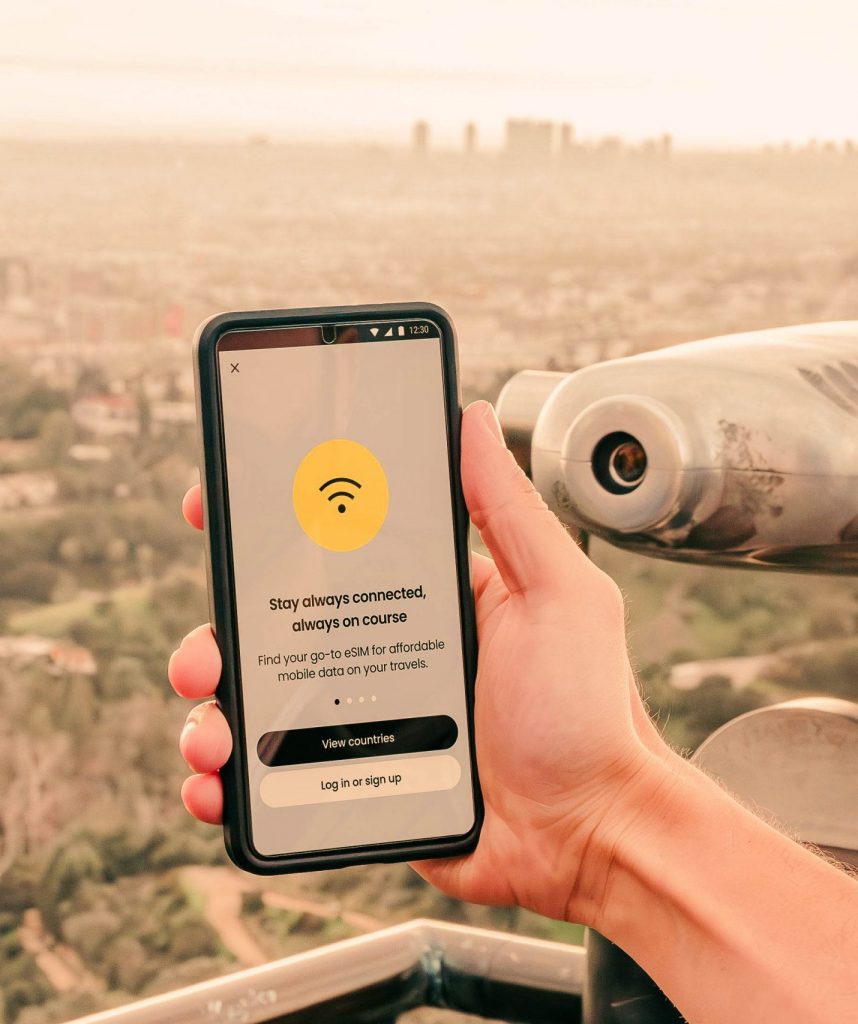
Many eSIM providers provide data within Morocco. I currently use Orbit eSIM for their affordable global plans.
I’ve also had good experiences using Airalo when I traveled Western Europe long-term: it’s a solid option for long-term use if you don’t need a lot of data (you can get good prices on 3/5/10GB plans for 30-day periods). Just make sure you’re on a reliable network when you activate it or it could fail to activate and cause a host of issues.
Jetpac is another budget option I like to use for short trips: they usually have a promotional deal for 1GB for 1 euro for 3 days.
Electricity
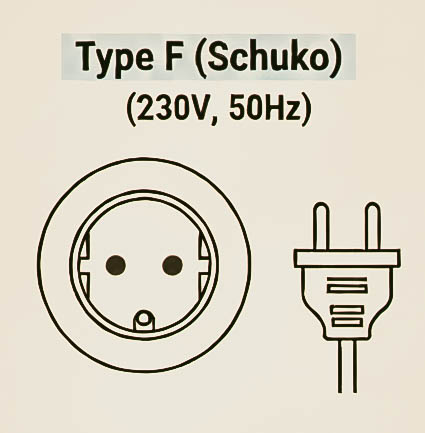
Morocco uses standard European outlets and voltage: 220V at a 50 Hz frequency, with Type C (two round pins) and Type E (two round pins with a grounding hole).
You can check the website Power Plugs & Sockets of the World to see if you’ll need a travel adapter or converter depending on where you live.
Currency
Morocco primarily uses cash for daily transactions, with the official currency being the Moroccan Dirham (MAD). Some shops that display prices in euros may accept euro cash, usually indicated with a sign, but this is relatively uncommon.
Outside of exceptional circumstances, you will need to use dirhams while in Rabat.While many large shops and restaurants—such as stores in malls—accept cards, it can be difficult to get around without cash, as smaller shops, street vendors, and most taxis typically accept only dirhams. I recommend carrying at least 250 MAD per day, adjusting the amount based on your spending and any larger purchases you plan to make, such as souvenirs, ceramics, or rugs.
Exchange Rate MAD: Sun, 1 Mar.
How To Reach Rabat
By Air
Rabat has its own airport, Rabat-Salé Airport (RBA), but most international travelers fly into Casablanca’s Mohammed V Airport (CMN) or Marrakesh Menara Airport (RAK) due to more frequent connections.
Rabat-Salé Airport
A drive from Rabat-Salé Airport to the city center typically takes 20–30 minutes, depending on traffic and your exact destination. Airport taxis (petit taxis) and rideshares usually cost around 150 dirhams during the day and 200 dirhams at night.
The ALSA airport shuttle runs from Rabat-Salé Airport to Rabat Agdal train station, costing around 25 dirhams and taking approximately 35–40 minutes. Shuttles typically run every 20–45 minutes from around 6:00 AM to 1:00 AM, with shorter waits during peak hours.
Casablanca Airport
From Casablanca Mohammed V Airport, you can take a petit taxi (airport fares are fixed at roughly 300 dirhams to the city center) or use the airport train to Casablanca city. inDrive, a popular rideshare app, is also available, though it operates in a legal gray area; fares are generally similar to official taxis. Airport train tickets to Casablanca cost around 50–70 dirhams depending on first or second class, and trains run roughly every hour from 5:00 AM to 10:00 PM. For very early or late flights, taxis or rideshares may be your only option.
From Casablanca city, you can reach Rabat via grand taxi, CTM bus, or the ONCF train departing from Casa Voyageurs station.
By Train
If you’re traveling to Rabat from another Moroccan city, the train is often the fastest option. Rabat has two main stations: Rabat Agdal and Rabat Ville. Most trains stop at both, so your final destination will determine which station is most convenient. Agdal Station is generally larger and more modern, so it’s often preferred if there are no other deciding factors.
Petit taxis are readily available outside both stations to take travelers to their final destinations. Several bus lines also serve the stations, but they can be unreliable: I don’t recommend them, especially if you’re carrying luggage. From Rabat Ville, the tramway can be a convenient option if it stops near your destination.
By Bus
Rabat’s main bus station (Gare Routière) is about 1.7 km from the city center. While it’s slightly removed from central areas, petit taxis are generally available, though you may need to wait a few minutes during off-peak hours.
Accommodation
Hotels
Ibis Rabat Agdal (~880 dirhams/night)
Place De La Gare, Avenue Haj Ahmed, Rue Cherkaoui, Rabat 10000, Morocco
Located in the Agdal neighborhood, close to restaurants, shops, and public transit. Ibis Rabat Agdal is modern, clean, and budget-friendly with standard amenities. It’s a good option for travelers who want reliable comfort without splurging.
Helnan Chellah Rabat Hotel (~1500 dirhams/night)
N2 Rue D’Ifni, Rabat 10010, Morocco
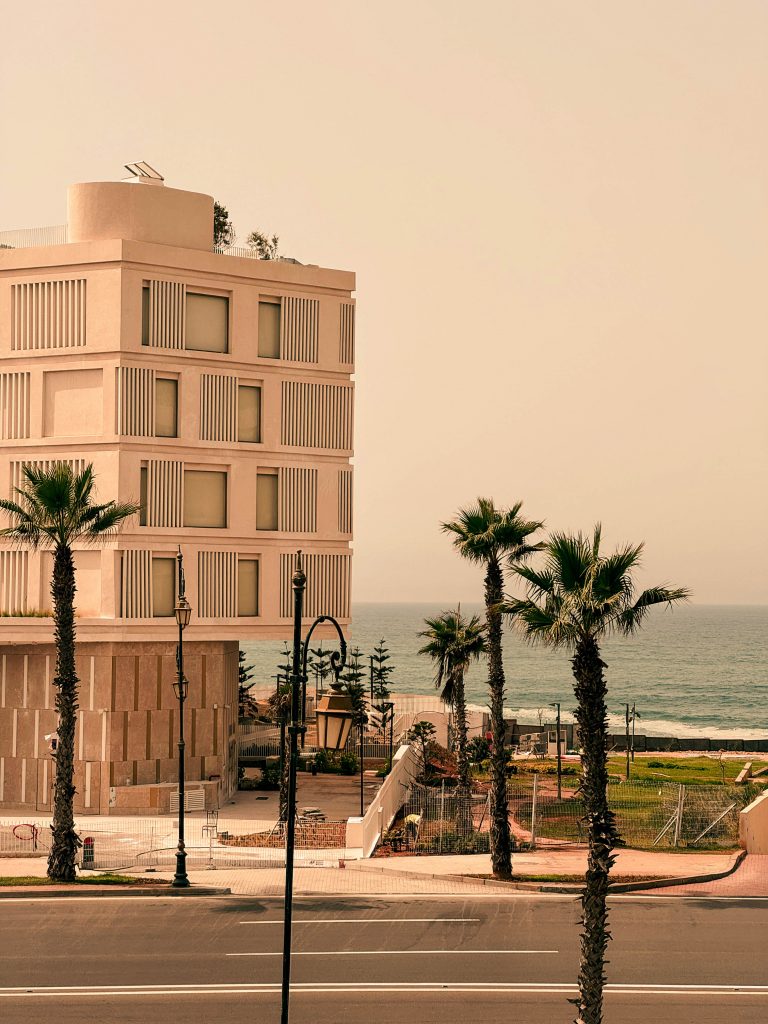
Overlooks the Bouregreg River and the historic Chellah ruins, the Helnan Chellah Rabat Hotel offers scenic views, a pool, and an on-site restaurant. It’s best for mid-range travelers who want a central location with slightly upscale touches.
Hostels / Budget Stays
Dar Bennis Médina (~230 dirhams/night)
N5 Derb telemsani, Rabat 10000, Morocco
Situated in the heart of the Old Medina, Dar Bennis Médina offers a traditional Moroccan stay immersed in the city’s culture. It is close to markets, cafes, and historical sites, though expect narrow streets and some noise. This is a great option for solo travelers or those on a tight budget seeking an authentic local experience.
Auberge de Jeunesse (~230 dirhams/night)
43 Rue Marassa, Rabat 10000, Morocco
This youth hostel offers dorm-style accommodations and communal spaces, so it’s good for backpackers or groups looking for affordability and social opportunities.
Luxury Hotels
Four Seasons Hotel Rabat At Kasr Al Bahr (3600 dirhams/night)
Ancien Hopital Marie Feuillet, Av. Brahim Roudani, Rabat 10000, Morocco
Located on the waterfront, the Four Seasons combines luxurious, modern design with world-class amenities such as a pool, spa, and multiple dining options. Its central yet private location makes it perfect for couples or travelers seeking a high-end, relaxing stay with impeccable service.
Rabat Marriott Hotel (2500 dirhams/night)
Center Agdal, Av. Inaouin, Rabat 10000, Morocco
The Rabat Marriott is located underneath the Arribat Center mall near the business district and Agdal train station, offering comfortable, upscale rooms along with a pool, gym, and restaurant. It’s ideal for business travelers, families, or tourists looking for a mix of convenience and comfort without the full luxury price tag.
Getting Around Rabat
Public Transport
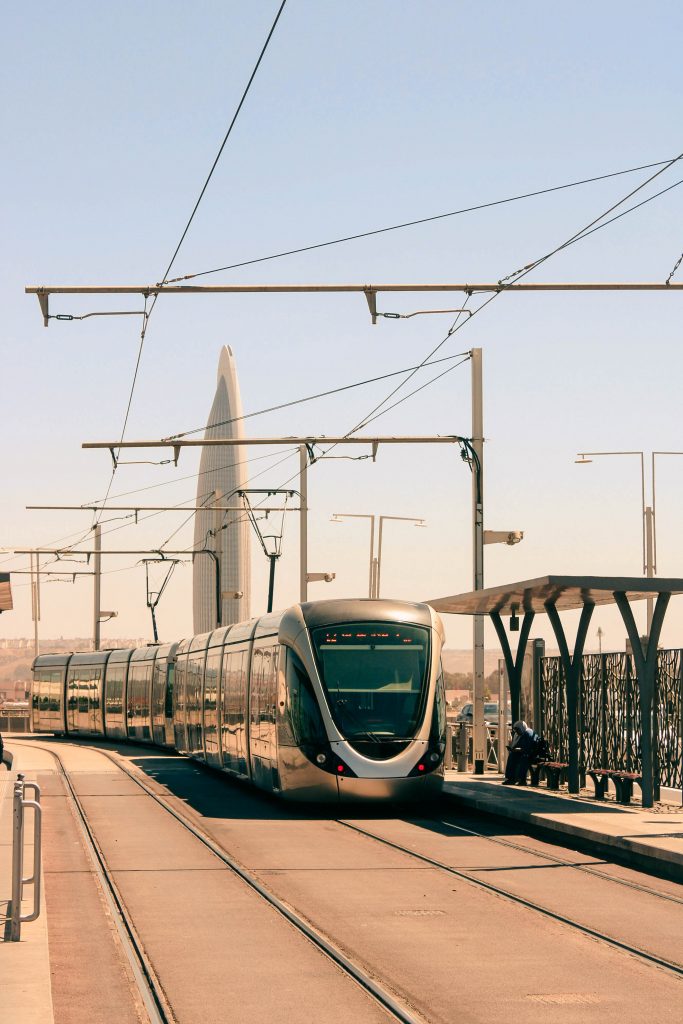
Rabat’s public transport system is functional but not highly reliable or extensive. Buses, in particular, may run late or occasionally not appear at all, so I recommend walking for short distances or taking petit taxis whenever possible. The tramway is another option—it is generally punctual and comfortable, but it has limited stops, which can make some routes indirect.
Buses
Rabat’s bus system is operated mainly by SAPT (Société Automobiles de Rabat et Salé). Routes cover most of the city, including Agdal, the city center, and the Old Medina, but buses are known for being somewhat unreliable and often run behind schedule. Tickets are inexpensive, usually 4–6 dirhams per ride, and you pay the driver in cash when boarding.
Buses can be crowded during peak hours, and stops are not always clearly marked, so it helps to ask locals or show your destination on a map when boarding. Keep in mind that buses do not run late at night, so if you’re traveling after dark, taxis or ride-shares are a safer option.
Tramway
Tram tickets cost 6 dirhams and can be purchased at station kiosks. You must have a physical ticket and validate it when boarding; tickets are valid for one hour after validation. Riding without a validated ticket can result in a 50 dirham fine.
Rabat currently has two tram lines with 31 stations. Trams operate from approximately 6am to 11pm, with service every 8–10 minutes during peak hours.
Petit Taxis
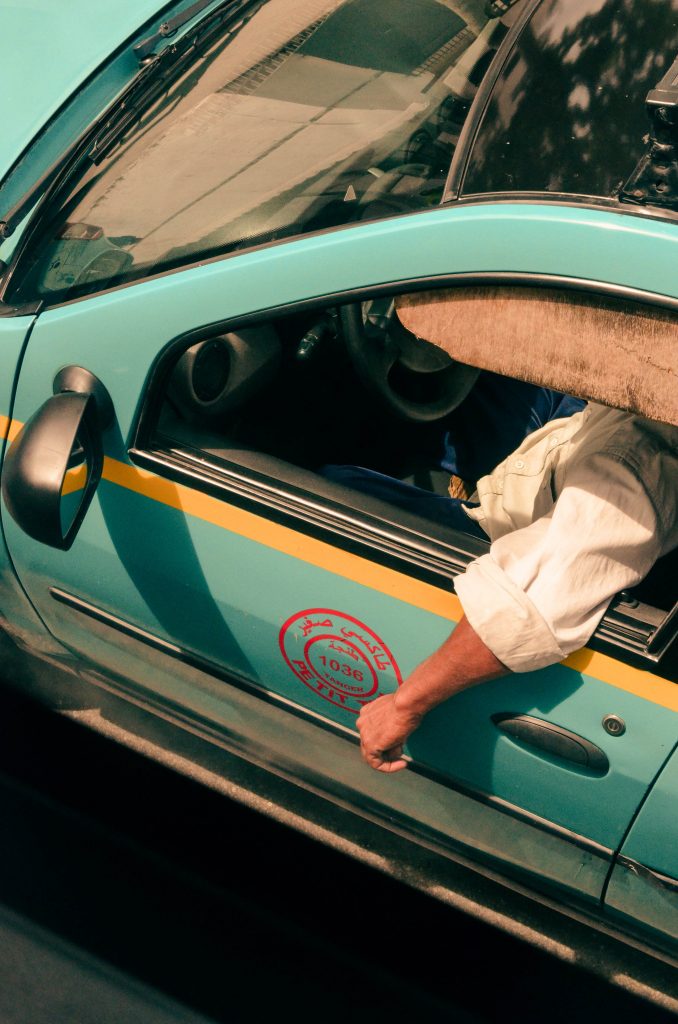
Petit taxis in Rabat are royal blue and can carry up to three passengers. Drivers may pick up additional passengers along the way if the taxi isn’t full. They can also refuse short or inconvenient trips, so don’t be surprised if a driver declines your ride.
Fares start at 5–7 dirhams, with an additional 8–9 dirhams per kilometer, increasing by 50% after 8pm. Always ask the driver to turn on the meter, and ensure it is reset if it was already running. Payment is cash-only, ideally in small bills or coins, since drivers may not have change.
InDrive
InDrive is a popular ride-share app in Morocco. It allows you to set a route and propose a fare, paying the driver in cash upon arrival. While it’s widely used, it is technically illegal, and some petit taxi drivers may object. Avoid using the app in official taxi pick-up zones. It’s useful when taxis are scarce or when you want fixed pricing.
Walking / Cycling
I do not recommend cycling in Rabat. Drivers can be reckless, and there is a real risk of accidents. The city also lacks safe bike lanes and secure storage, making bicycles impractical for most travelers.
However, Rabat is generally walkable, particularly in the Old Medina, which is pedestrian-only and requires walking to explore.
Survival Language
Below are some basic greetings and useful phrases in Darija (Moroccan Arabic). Most locals don’t expect foreign visitors to speak the language at all, but a little effort goes a long way and is always appreciated.
Since Darija uses the Arabic alphabet, I’ve included the transliteration as well.
| English Phrase | Moroccan Arabic (Darija) | Pronunciation |
|---|---|---|
| Hello | السلام عليكم / as-salāmu ʿalaykum | ah-sah-lah-moo ah-lay-koom |
| Hello (in response) | سلام عليكم / ʿalaykum salām | ah-lay-koom sah-lahm |
| Goodbye | بسلامة / bslāma | b-slah-mah |
| Yes | نعم / naʿam | nah-am |
| No | لا / lā | lah |
| Thanks | شكراً / shukran | shoo-kran |
| Please | عفاك / ʿafak | ah-feck |
| Excuse me | سمح لي / smah li | smah lee |
| Nice to meet you | متشرفين / mitsharfin | mitsharfin |
| Cheers! (lit. ‘to your health!’) | بصحتك / bṣḥtk | b-sah-htak |
| Turn on the meter, please (for taxi drivers) | دير الكونتر، عفاك / dir l-kuntr, ʿafak | der leh-kun-ter, ah-feck |
| How much is it? | شحال هادي؟ / shḥāl hādi? | sh-hal hah-dee? |
FAQs
When is the best time to visit Rabat?
The nicest weather is typically in spring (March–May) and fall (September–October), when temperatures are mild and humidity is lower. Summers (June–August) can be hot, especially inland, but the Atlantic breeze along Rabat’s beaches makes it enjoyable for seaside activities, though expect larger crowds and higher hotel prices. Winters (December–February) are mild but can be rainy.
Visiting during Ramadan can be challenging for traditional sightseeing or dining. Many restaurants and cafes are closed during daylight hours, and public schedules (shops, attractions, transportation) may be unpredictable.
Is Rabat safe for tourists?
Rabat is generally considered safe for tourists. Petty theft, pickpocketing, and tourist-targeted scams occur, but violent crime against foreigners is rare. As always, use common-sense precautions, especially in crowded areas or at night, and keep an eye on your belongings. Solo female travelers should be aware that verbal harassment can occur, though it is non-violent in most cases.
How much cash should I carry, and can I use cards?
Morocco is largely cash-based, and Rabat is no exception. Most large shops, malls, and restaurants accept card payments, but petit taxis, street vendors, local shops, and most markets are cash-only. A good rule of thumb is to carry at least 500–600 MAD for daily expenses. If you plan on purchasing larger souvenirs or shopping in the Old Medina, withdraw additional cash in advance, as smaller shops rarely take cards. ATMs are widely available in Rabat, but not all accept foreign cards, so always check ahead.
What’s the best way to get around Rabat?
Taxis are the quickest and easiest way to get around the city aside from walking. Petit taxis (royal blue) are metered and can take up to three passengers; always make sure the driver uses the meter.
Rabat also has city buses (operated by SAPT) and a tramway system, but these can be unreliable, crowded, or indirect depending on your starting point and destination. While taxis cost more than public transport, their direct route and convenience often make the extra cost worthwhile.
Are there any dress code considerations in Rabat?
Rabat sees many foreign visitors, so Western clothing is generally accepted, and you won’t be singled out for casual wear. That said, Morocco is a predominantly conservative country, and dressing modestly is a sign of respect. Covering arms, legs, and chest is recommended, especially when visiting mosques or traditional areas. In major cities like Rabat, I usually wear linen pants and a crew-neck short-sleeve shirt or tank top in the summer.
What should I pack for Rabat?
Bring modest clothing for coverage, sunscreen (often expensive or hard to find locally), a sturdy bag or backpack for essentials, and whatever you would normally pack for a city trip. Comfortable walking shoes are also a must, especially if you plan to explore the Medina or gardens.
Is Rabat expensive compared to other Moroccan cities?
No, Rabat is similarly priced to other major Moroccan cities that have a foreign tourism industry. In fact, I would say it can be cheaper as it’s a slightly less tourism-driven city so prices for things like taxis and souvenirs aren’t as inflated as in Marrakesh and Casablanca.
Can I drink tap water in Rabat?
Technically, tap water in Rabat is treated and filtered by the National Office of Electricity and Drinking Water (ONEE) and meets safety standards, so it is generally safe to drink. That said, the taste can be chlorinated or metallic, and travelers may experience digestive discomfort when drinking water in a new environment.
For short-term visitors, most people opt for bottled water, which is inexpensive and widely available throughout the city.
What souvenirs are unique to Morocco?
Some of the most popular Moroccan souvenirs include argan oil, ceramic tagines, traditional black soap (savon noir), kaftans, and handwoven rugs. For something specific to Rabat, look for locally made crafts, paintings, or jewelry from artists in the medina.
Is tipping expected in restaurants or taxis?
Tipping is not mandatory in Morocco, but it is appreciated. For taxis, you can choose to round up the fare or tell the driver to keep the change. In restaurants, leaving 5–10% of the bill is standard if service is good, though smaller amounts (5–10 dirhams) are also acceptable for casual meals or drinks at cafes.
How far is Rabat from Casablanca, Fes, and Marrakech?
Rabat is well-connected to other major Moroccan cities by train and bus. By train (ONCF), travel times are roughly 1 hour to Casablanca, 3 hours to Fes, and 4–4.5 hours to Marrakesh, depending on the service. Inter-city buses, such as CTM or Supratours, are a slightly longer but often more comfortable and sometimes cheaper alternative, especially for destinations not directly served by trains.
Are ATMs widely available?
Yes, you can find ATMs as well as currency exchanges throughout the city. Major banks, shopping centers, and even some supermarkets have ATMs, though smaller shops in the medina rarely do. For convenience and security, the Arribat Center mall is a reliable option, as it has multiple ATMs and currency exchange services at its west entrance.