The Ultimate Venice Travel Guide
Overview
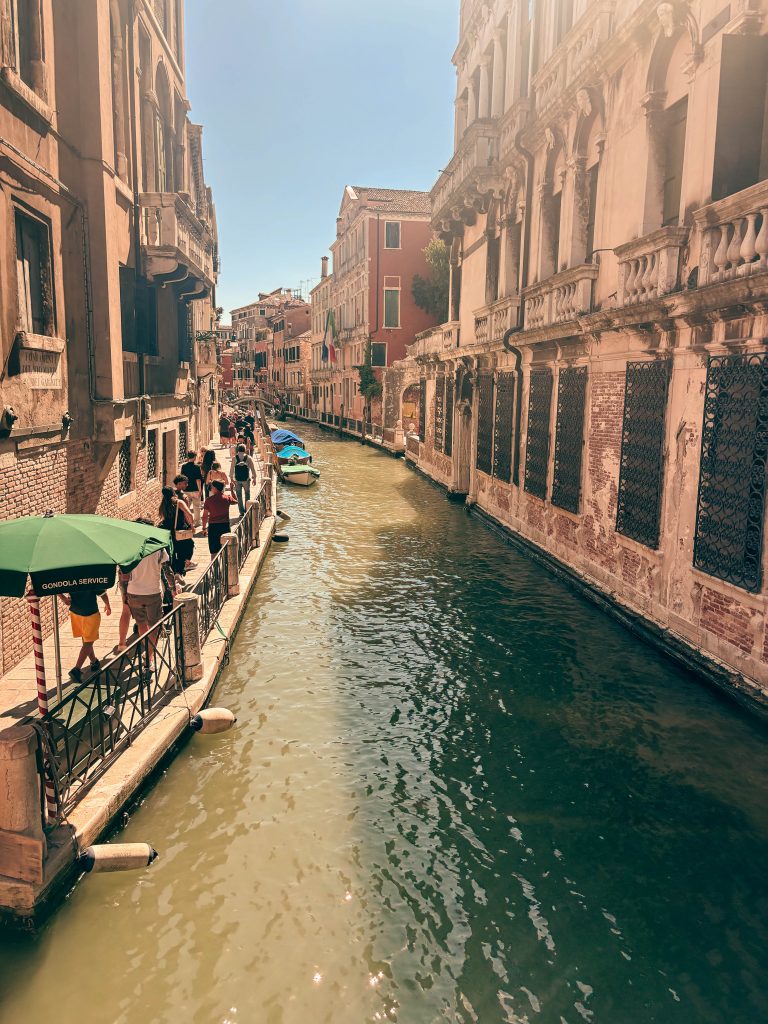
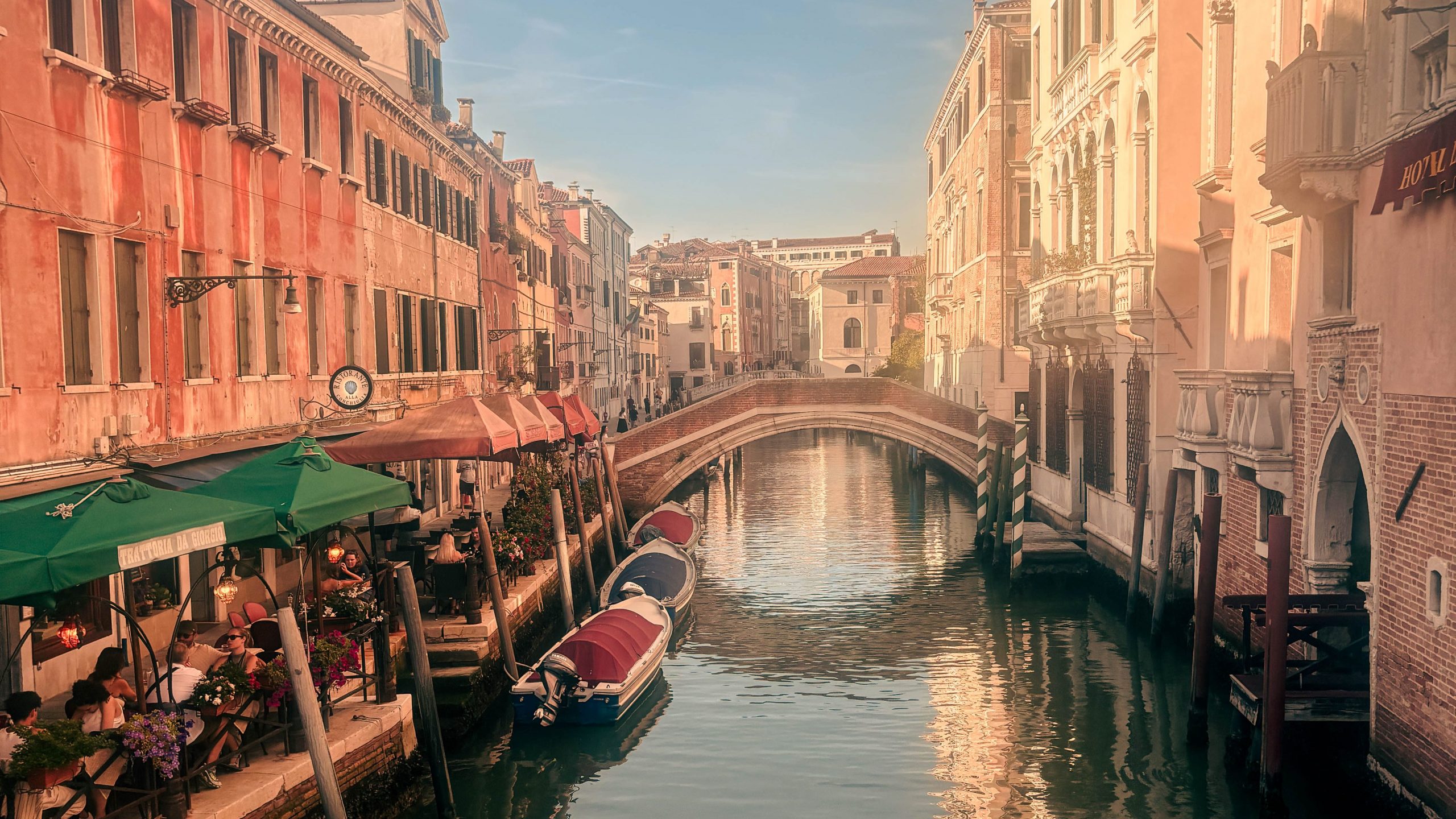
Visiting Venice has been a dream of mine for a long time. Like many people, when I think of the Floating City, I think of beautiful canals with gondolas drifting by, winding cobblestone streets and alleyways, and the romance of sunset in the Piazza San Marco.
In many ways, Venice very much met and exceeded my expectations. The food was divine, the sights filled with dreamy, impossible beauty, and locals who were generally warm and friendly to all.
On the other hand, while I researched extensively for my trip to the City of Canals, there are some things I wish I’d known before I arrived (like how seriously to take the seagull warnings, for example) that I hope to share with others now, so everyone can make the most of their trip to one of the loveliest cities in the world.
History
According to UNESCO, Venice’s earliest settlements emerged in the 5th century as people fled invasions on the mainland. Spread across 118 small islands, the city itself is an architectural marvel, and for over a millennium Venice stood as both a trade and maritime power, as well as a place of industrial and artistic marvels. In fact, the Republic of Venice, at the height of its power, possessed territories that now are recognized as parts of Italy, Slovenia, Croatia, and more.
Today, the entire city and lagoon is classified as a UNESCO World Heritage site. Its influence on the development of architecture and monumental arts, distinctive cultural legacy, and unique relationship with the surrounding lagoon make Venice one of history’s most fascinating urban landscapes.
Culture
Venice’s culture reflects centuries of tradition and its unique proximity to the surrounding lagoon. The city is home to many renowned festivals and cultural celebrations, including Carnival, Festa del Redentore, Regata Storica, and the internationally celebrated Venice Biennale. It has long been a center of artistic and musical innovation and is the birthplace of composer Antonio Vivaldi. The nearby island of Murano is also world-famous for its centuries-old glassmaking traditions, which remain one of the region’s most iconic crafts.
As a lagoon city, Venice’s culture is deeply shaped by its relationship with the water. This influence is reflected in its seafood-rich cuisine, its distinctive transportation system (including the public water buses known as vaporetti) and traditional practices like Voga alla Veneta, a unique rowing technique that is still practiced and taught by local rowing clubs today.
Language
Locals speak Italian, but most people speak English, especially in shops, restaurants, or anywhere foreign tourists are likely to enter. In my experience, speaking a bit of Italian is very much appreciated, even when you unintentionally butcher it (sorry Donatella). See the survival language below for some helpful phrases!
Food + Drink
While in Venice, I made it my mission to try all of the Venetian dishes in as many places as possible. There are an overwhelming number to try, and there are many not on the following list that I did enjoy (brioche veneziana, baccalà mantecato, fegato alla veneziana).
So if you’re not a huge foodie or are only there for a short time, here’s the list of what I felt were the best foods and drinks from Venice. Worth trying everything, but these are the ones I couldn’t live without
Must‑Try Dishes
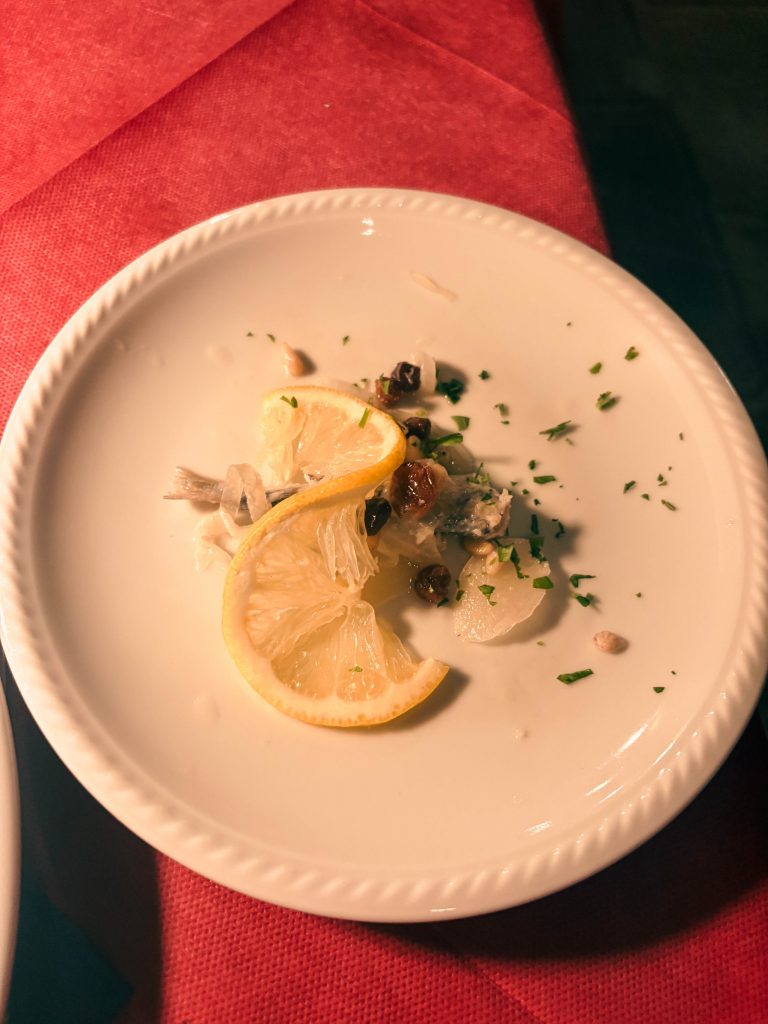
Sarde in Saor
Sarde in Saor is literally “sardines in sour sauce.” Served in white vinegar with caramelized onions and variations of pine nuts, cinnamon, raisins, pepper, and so on, this dish blew me away. It’s a delicate balance of sweet and sour that manages to complement the sardines in a way that’s impressive.
I’m not traditionally a lover of sardines, but every version of this dish I had in Venice left me wanting more. I hunted it down, and any bar serving sarde in saor cichetti was one I patroned.
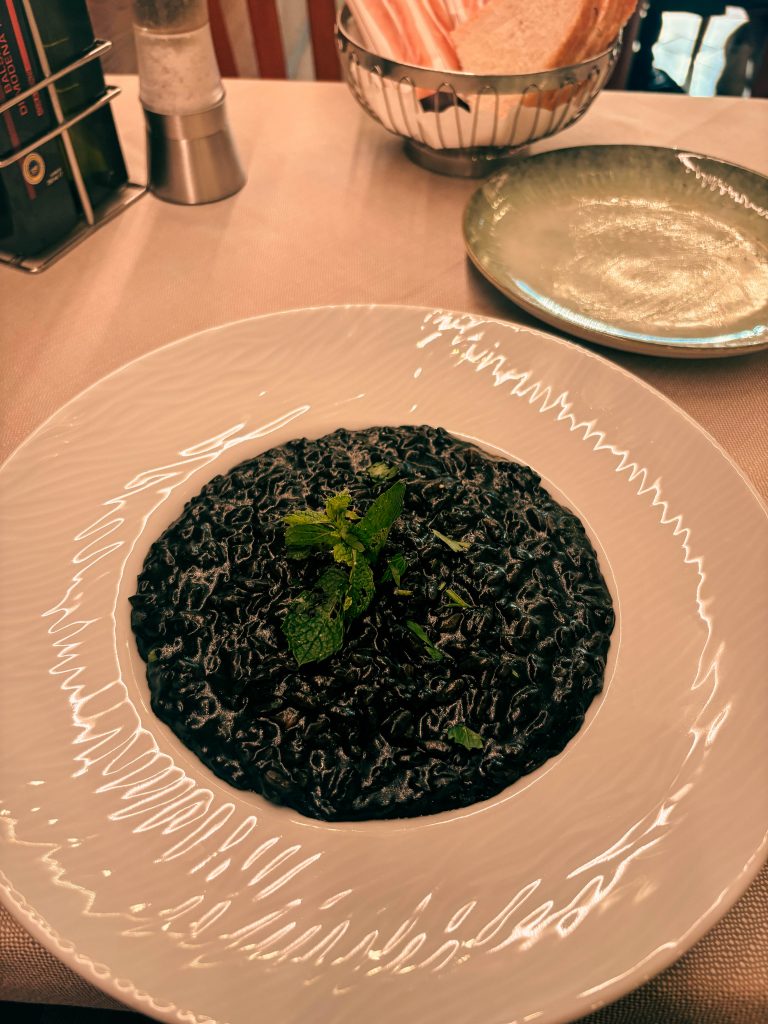
Risotto al Nero di Seppia
Nero di Seppia (black squid ink) is a staple of Venetian cuisine, and you can often find dishes of either squid ink spaghetti or risotto, and both have a rich, umami flavor unique to the ingredient.
As a solo traveler, it was hard to find anywhere that would served a single plate of risotto (it’s a time-consuming dish, and it’s often not cost-effective for restaurants to make less than 2 servings). I did manage to find a well-reviewed restaurants after much searching that offered it, and I found it very much worth the effort.
Cicchetti
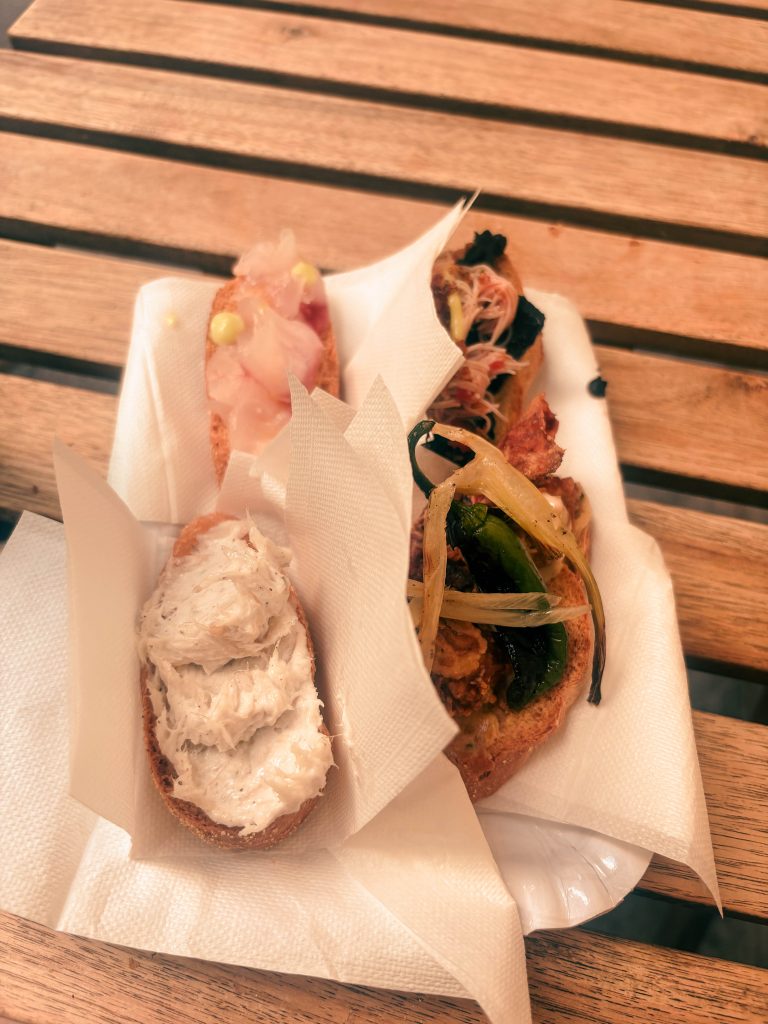
Less a specific dish than a Venetian dining tradition, cicchetti are small bites of food (typically served on bread) that are meant to be enjoyed with a drink while socializing at bàcaris (small, local bars). They are usually cheap (between 1 and 4 euros), and there is an endless variety to find throughout Venice.
Cicchetti are a great way to try a bunch of different Venetian specialities at once (I commonly saw sarde in saor, baccalà mantecato, and nero di seppia options) and also enjoy the lovely atmosphere of different bàcaris.
Tramezzini
These small, crustless triangle sandwiches are traditionally white bread stuffed with mayo and other toppings. Popular fillings are tuna, egg and anchovies, and proscuitto, but my favorite version was a vegetable tramezzino with peppers and mushrooms that was callously ripped out of my hands by a seagull (the warnings around town about the flying rats were not understated). A loss I’ll not soon forget, though the crab one I bought to replace it was also notably good.
Buranelli
Venice has no shortage of delightful pastries, as can be expected of any Italian city, but there are perhaps none so simple, so decadent, and so iconic as the buranelli, or butter cookies, that call the island of Burano home.
Cookies made with a high concentration of butter and egg yolks, buranelli were originally made as food for sailors. They were good for long voyages because they are calorically rich and keep well for long periods of time. They come in two forms: an “O” shape called a bussola, or compass, and an “S” shape called esse. You can find them on the mainland of Venice, but worth getting them from the source if you end up on Burano during your travels.
Drinks
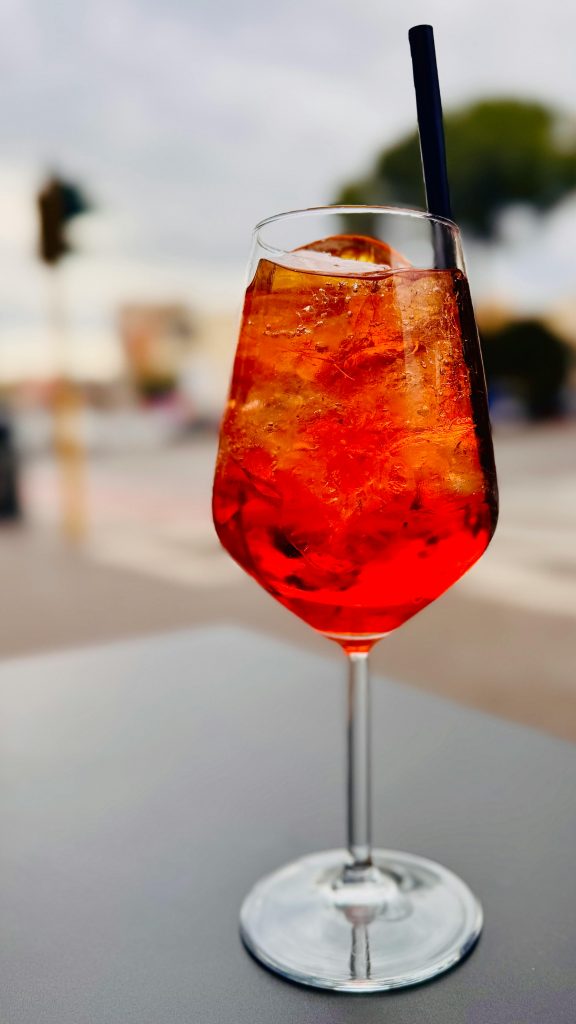
The Venetian (Select) Spritz
The Venetian Spritz is an Aperol Spritz that uses
I hope this is a safe space to admit that I do not understand the hype around Spritzes. Yes, they look pretty, but at the cost of my tastebuds. Having tried a few Select, Hugo, and Aperol Spritzes in Venice, its (somewhat contested) birthplace, I feel confident in saying it’s not just that I’ve had bad versions, it’s just a bad drink.
Prosecco
On the other hand, there’s Prosecco. True Prosecco, which can be labeled DOC, is from the Veneto and Friuli regions of Italy. There’s also DOCG Prosecco, which has stricter guidelines and is considered top-tier Prosecco. Both are widely available in Italy, and as my favorite sparkling wine, it’s a must-try.
Bellini
And of course it would be remiss to mention Prosecco without acknowledging the Bellini, also a Venice original (specifically by the owner of Harry’s Bar). Here’s a drink that’s both pretty and delicious. Definitely a don’t miss while in Venice, or anywhere for that matter.
Safety Info
Venice is considered extremely safe for tourists. It has a very low violent crime rate, and the main crimes to look out for are pickpockets and scams. As a solo female traveler, I was extremely comfortable walking around, even very late at night.
That said, of all the cities I’ve been around the world, Venice was the first where I felt threatened by its wildlife more than any strange man on the street.
Warning: The Seagulls Will Attack You
Don’t just take it from me, but from the official signs posted all over the city, as well as the numerous online posts from tourists and locals alike. If you carry food outside in Venice, make sure it’s well covered and concealed from the flying rats, as they absolutely will swoop down and snatch it from your hands.
This happened to me with a tramezzino. A seagull swooped from behind, and all I heard was someone shouting in Italian for me to look out before the sandwich was ripped from my grasp and my arm got decently scratched in the process. (Should I have gotten medical care for that? Probably.)
Lesser Warning: The Mosquitoes Will Bite You
This was at least my experience. Somehow, at no point did it occur to me prior to arriving in Venice that being in a city surrounded by a lagoon would naturally lead to a high concentration of blood-sucking gremlins, also known as mosquitoes.
I only realized the severity of the situation when I checked into my hostel and was given a set of sheets, a towel, and a plug-in mosquito repeller for my bunk.
By the time I left Venice, my legs were covered in bites. I had to go to the pharmacy for overpriced itch relief and bug spray, andI used multiple bottles during the trip.
Obviously, it was not unbearable or anything. I was in Venice, fully having the time of my life. But the experience was notable enough that if I ever get the change to go back to Venice, I’m bringing an arsenal of bug-fighting supplies.
LGBTQIA+ Info
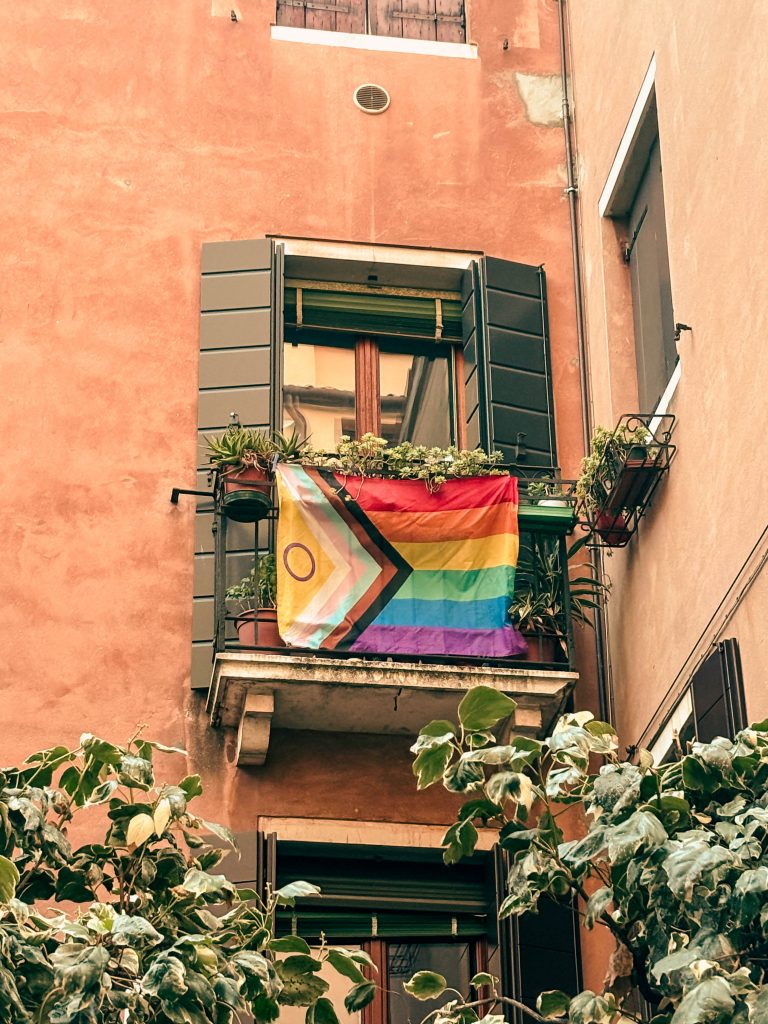
As a European city that gets a huge amount of foreign tourism, Venice is generally a safe, accepting place for queer people, though there aren’t many devoted queer spaces like in other major Italian cities. Queer travelers shouldn’t anticipate any major problems during their trip.
Must‑See Attractions
Squero di San Trovaso
Dorsoduro, 1097, 30123 Venezia VE, Italy
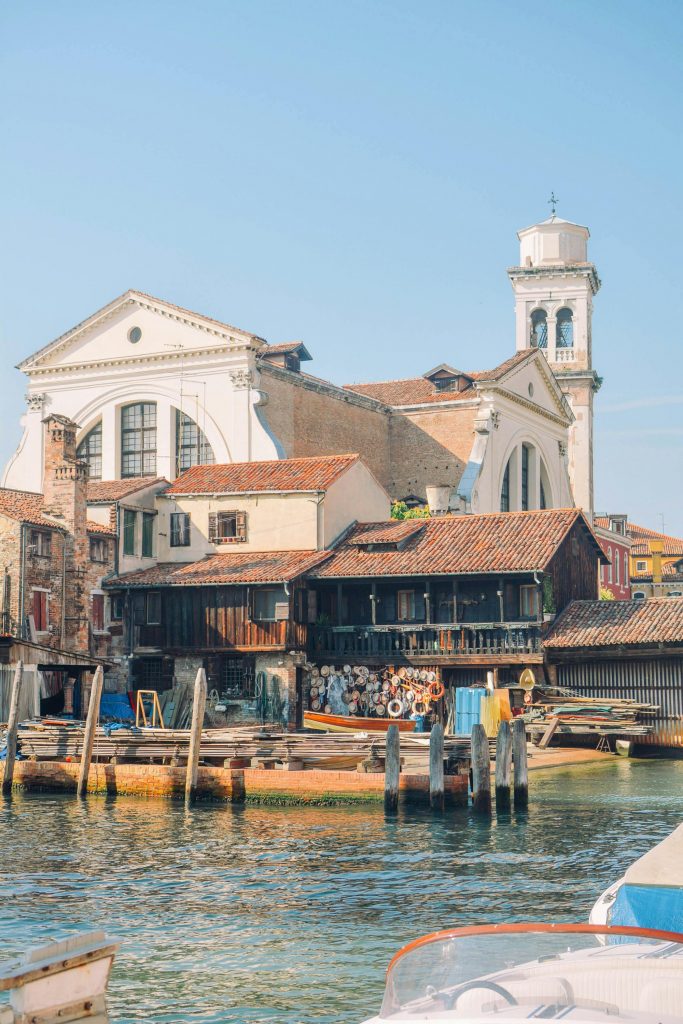
In a less-traveled part of the city, you can gather to watch boat builders repair gondolas in a small square. It’s very peaceful, and there are several local bars along the street where you can stop to grab a drink and some cichetti while you admire the artisans at work.
Note: To see the workers, you need to be on the opposite side of the canal (if you navigate to Osteria Al Squero, it’ll put you right in front of the square).
Piazza San Marco
P.za San Marco, 30100 Venezia VE, Italy
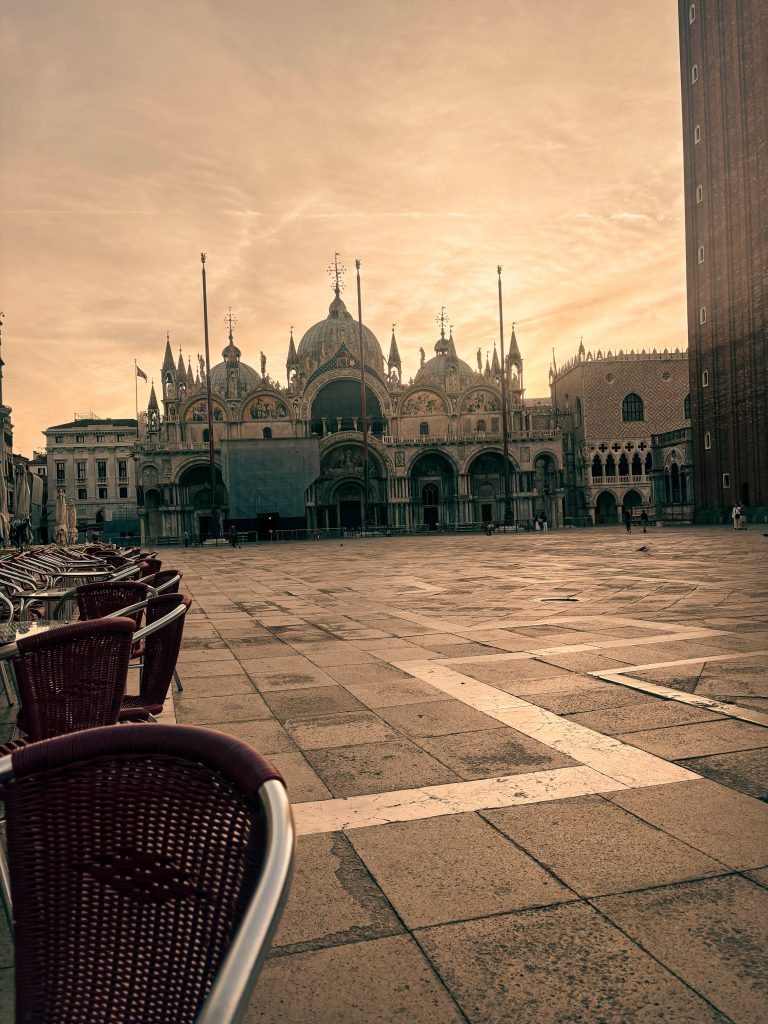
Perhaps the most famous spot in Venice, the Piazza San Marco is the city’s beating heart and soul. It also connects visitors to other famous landmarks in Venice: the Basilica di San Marco and Palazzo Ducale, the extravagant Caffe Florian, and access to the Alilaguna tour boat ticket office (for tours to the neighboring islands).
There’s something for everyone in Piazza San Marco, whether you want to spend a fortune dining in the Caffe while enjoying a live band or simply want to people watch. I highly recommend visiting at night, where the whole square is lit up by both the charming lights and the spirits of everyone enjoying themselves.
Murano
Fondamenta Andrea Navagero, 30141 Venezia VE, Italy
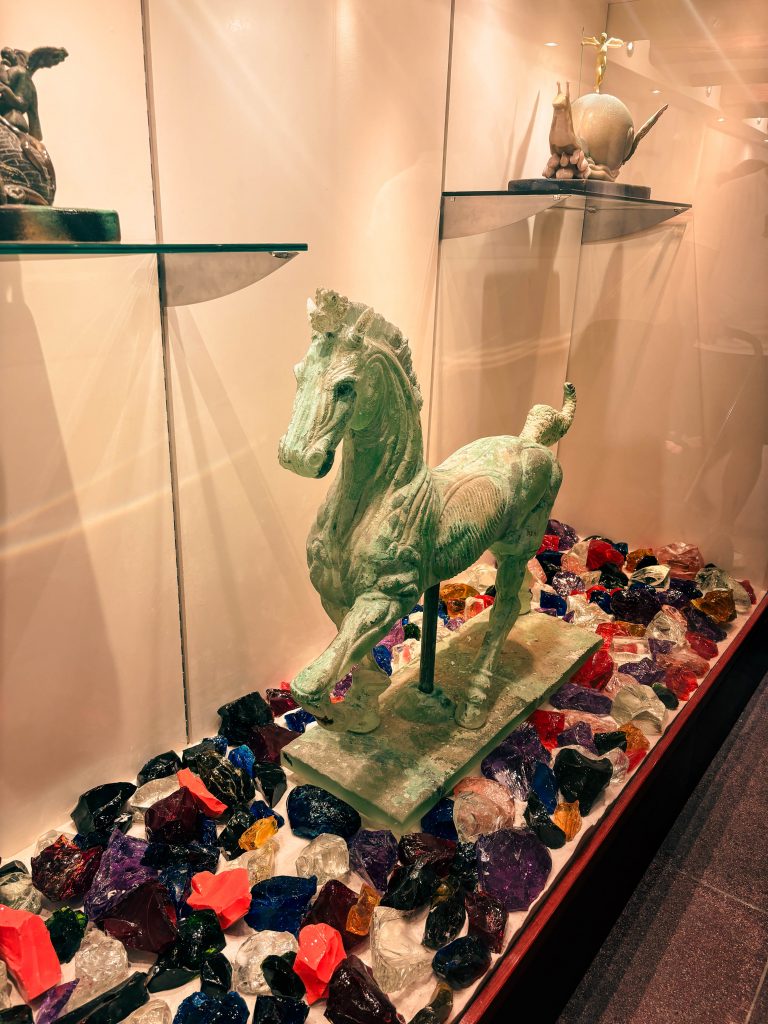
Possibly the most popular of Venice’s surrounding islands, Murano is famous for its artisan glassblowing. There are many shops on the island selling various glass art pieces and jewelry. There are also active workshops where you can visit for a glassblowing demonstration.
You can buy water boat tickets to the island or book a tour of Venice’s islands in order to visit Murano.
Burano
30142 Venice, Metropolitan City of Venice, Italy
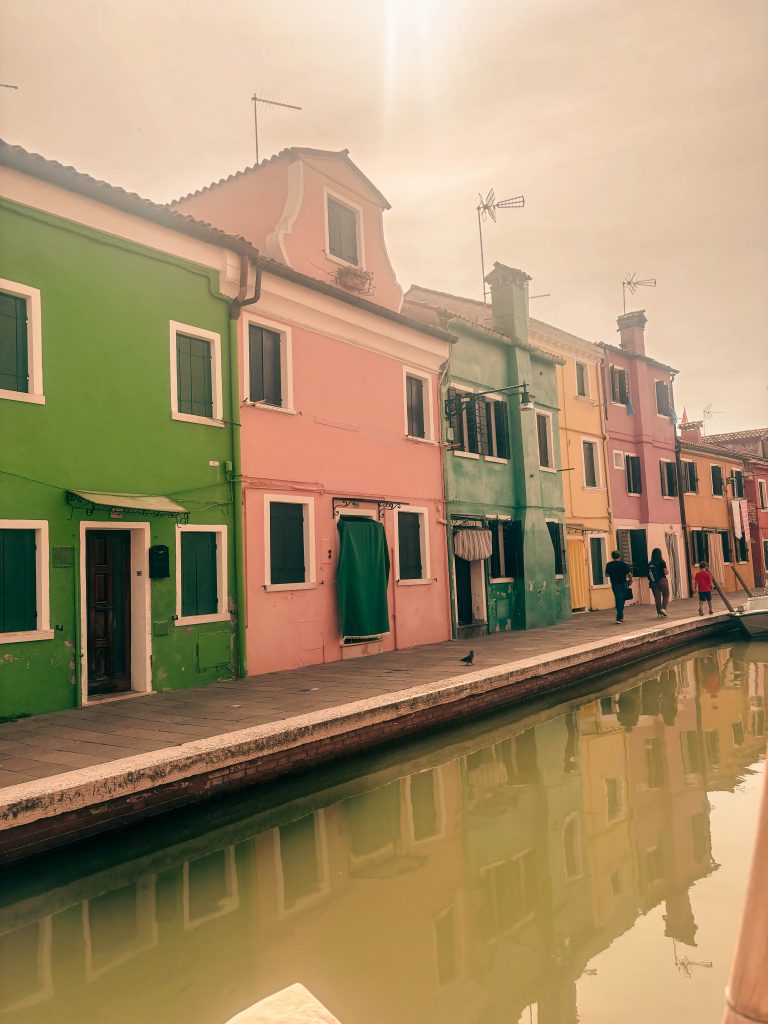
You might recognize Burano from its colorfully painted houses, Another of Venice’s charming islands, Burano is famous for hand-crafted lace-making as well as its delicious buranelli butter cookies. I found the town charming, but my favorite part was actually the fabulous cichetti I had from Laguna Bar.
You can buy water boat tickets to the island or book a tour of Venice’s islands to visit Burano.
Museums and Gardens
Venice has a number of outdoor green spaces worth exploring. For example, I enjoyed the Giardini della Marinaressa and Giardini della Biennale (note: entrance to the exhibit itself is pricey, but walking the outside is free), though both are a decent walk from the city’s center. The Giardini Reali is near Piazza San Marco and is a small, lovely park you can puruse while waiting for an island tour time (the main boat pick-up/drop-off location is across the street).
Libreria Acqua Alta
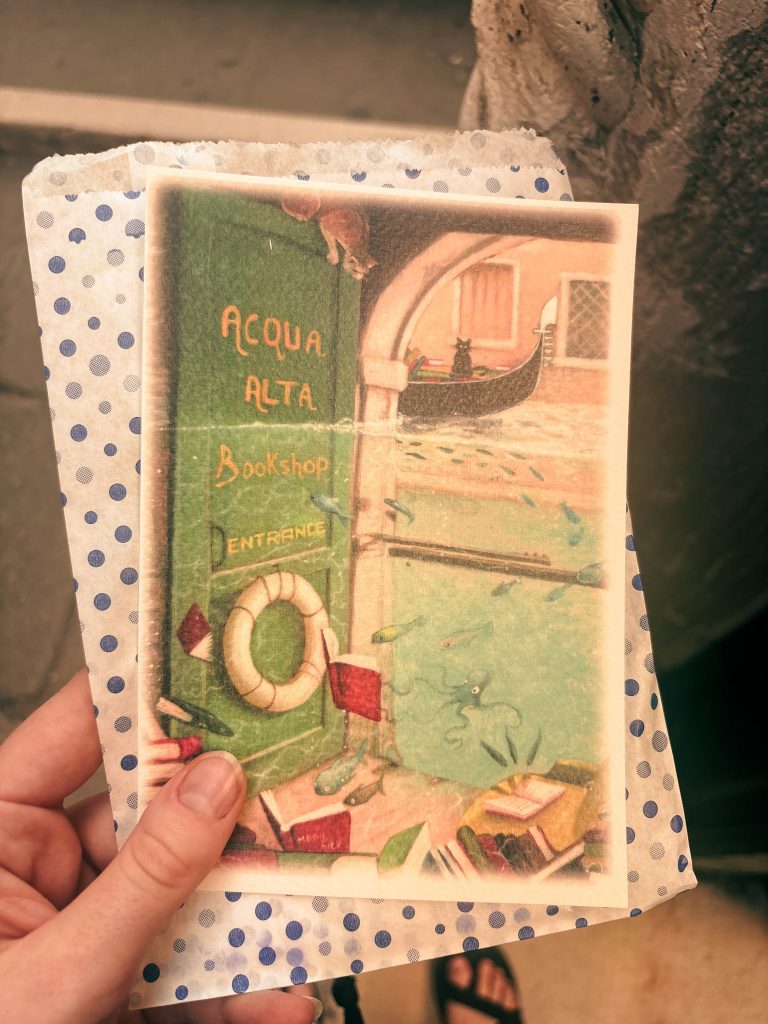
A beautiful bookstore tucked away on a Venice street, Libreria Acqua Alta is a must-see for any lovers of the written words. They have a great selection of books for sale, merch for the bookstore itself, and some very lovely cats roaming the shop at their leisure. There’s also a lovely view of the canal surrounded by books. Though it’s often crowded, it’s absolutely worth the checking out.
Restaurants
Worth noting, it’s truly difficult to find a bad meal in Venice. There were dozens of restaurants that I tried while exploring the city, and nearly all were excellent. So while I’ve curated this list to include my absolute favorites, I truly believe that even if you stray from this list entirely, you’ll still find equally wonderful restaurants while in Venice.
- Cantine del Vino già Schiavi (Fondamenta Nani, 992, 30123 Venezia VE, Italy) I did not know this place before I stumbled upon it while searching for the Squero di San Trovaso, but it is a well-known wine bar that serves delicious and affordable wines and cichetti. I recommend dining inside if possible (due to the seagulls, mainly), but it’s also a perfect place to grab a bite before watching the gondala repairing across the canal.
- Bar All’Arco (S. Polo, 436, 30125 Venezia VE, Italy) I tend to be extremely wary of restaurants widely hyped on the internet. When I went to Bar All’Arco, there was a line out the door, and the inside was packed with people fight for space to sip wine and eat cichetti. They are known for both the quality and creativity of their cichetti, and the place does not disappoint in the slightest.
- Trattoria Cea (great food, great service, waiter gave me free sarde in saor to try) My first dinner dining experience in Venice, this was also by far my favorite, for both the quality of the food and the incredible service. When I asked my waiter if he preferred either the sarde in saor or the baccalà mantecato for my appetizer, he recommended the baccalà, but he brought me a single, beautifully-plated sardine for me to try “because you must try in Venice.” The meal itself –sage ravioli– was phenomenal, and the sarde in saor was the best I had in Venice, but it was the kindness that I valued the most.

Breakfast/coffee
- sullaluna libreria & bistrot (Fondamenta de la Misericordia, 2535, 30121 Venezia VE, Italy) This little cafe / bookstore has delicious breakfast, coffee, and a lovely ambience. It’s in a quiet part of the city, and the servers were very kind. I definitely recommend stopping by for a slow, pleasant start to a day in Venice.
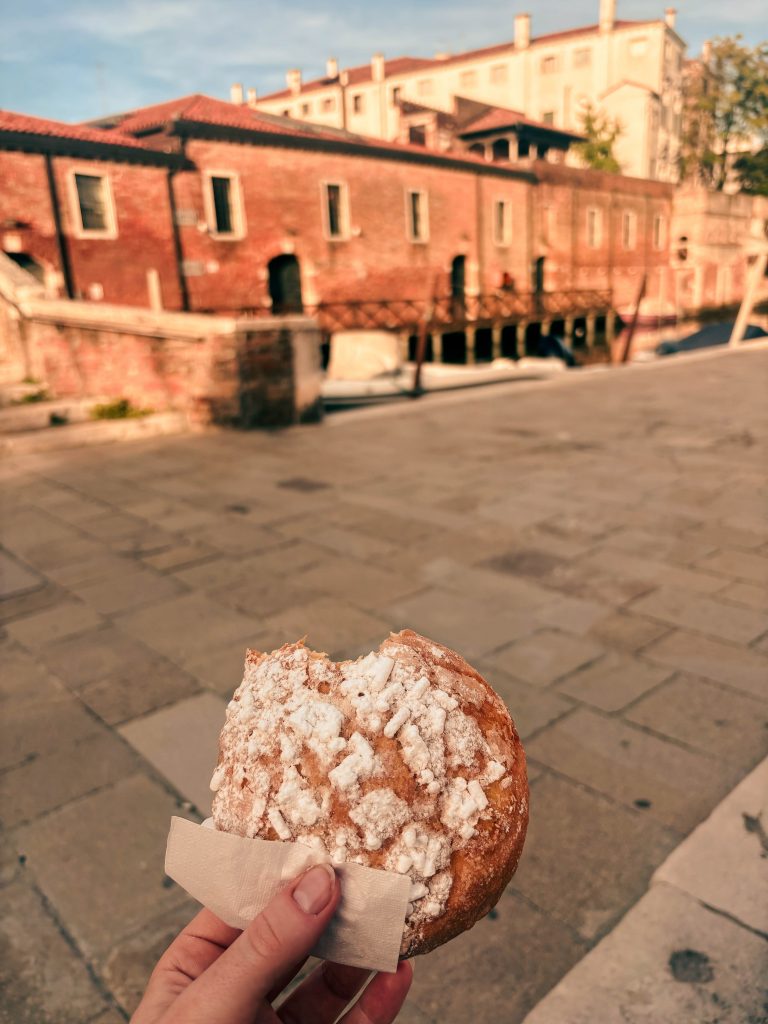
- Pasticceria Toletta (Sestiere Dorsoduro, 1192, 30123 Venezia VE, Italy) A lovely little bakery on the way to Squero di San Trovaso, I went here several times for breakfast or a sweet treat, and I enjoyed every pastry that I tried
Fast‑Food / Takeout Options
- Dal Marco’s Pasta Another place I feared for its line out the door (in fairness, it’s an extremely small space), Dal Marco’s is technically an Italian chain, but they serve high-quality pasta prepared fresh, and orders are highly customizable. It’s a great place for lunch, and while you aren’t strictly supposed to, there were plenty of people sitting nearby enjoying their meals outdoors.
How To Reach Venice
By Air
Venice Marco Polo Airport (VCE)
Marco Polo Airport is the main airport servicing the city. From VCE, there are two modes of public transport: buses (either the ATVO Express Bus or the ACTV bus #5 Aerobus) which take about 20-30 minutes and are 8 euros one-way, 15 euros round-trip. Both bus stops are just outside of the arrivals terminal, and you can buy tickets online or in-person either from kiosks inside the airport or from the bus attendants directly.
There’s also the Alilaguna Water Bus lines. The water bus ride to San Marco takes about an hour, and tickets are 15 euros one-way, 27 euros roundtrip (plus an additional 3 euros for any extra luggage).
There’s also private land and water taxis available. Land taxis can take you to the bridge connecting to the island before you’ll have to continue on foot (there are no cars in Venice proper).
Private water taxis are by far the most expensive option, from 100+ euros (with somewhat-cheaper options available for shared taxis), but can often take you right to the door of your accomodations. You can book these taxis online or from the water taxi desk in the arrivals terminal.
Bologna Guglielmo Marconi Airport (BLQ)
A popular airport for reaching Venice, flights to Marconi airport can often be cheaper than flying to Venice directly. I personally flew into Bologna, stayed overnight, and then took the Marconi Express train to Venice. The train was about 2 hours travel time and cost 12 euros (note that there are discounts for certain riders and prices are lower when booking online early).
Treviso Airport (TSF)
This smaller airport services budget airlines like Ryanair. The most affordable options for getting from this airport to Venice are buses (ex. Flixbus, Barzi, ATVO, etc.). You can purchase tickets online in advance or from a ticket machine in the arrivals terminal. There is also an airport transfer train to the Treviso Centrale station, where you can catch a train to Venice.
You can also order a private car service or taxi to Piazzale Roma, which takes about 40-45 minutes from Treviso. The taxi stand is just outside of the arrivals terminal.
By Train
Venezia Santa Lucia is the central train station in Venice, which is connected to most major Italian cities through their awesome train system. From Santa Lucia, it’s about a 25-minute walk to the Piazza San Marco, so most so depending on where your accommodations are located, you can either walk from the station or hire a water taxi.
By Bus
Buses will arrive at Piazzale Roma, where you can travel into Venice proper either on foot or by water taxi.
By Boat
There are several international passenger ferries that dock in Venice from countries like Croatia and Greece. The San Basilio Passenger Terminal is about a 15-minute walk to the city center, so you can either walk or hire a water taxi.
Fusina Ferry Terminal, which mainly services car ferries in and out of Greece, is outside of the city center. Either the Terminal Fusina water taxi or the #16 Bus can take you to central Venice, as well as private transport.
Accommodation
Ostello Santa Fosca
30121 Venice, Metropolitan City of Venice, Italy
This is the hostel where I stayed during my time in Venice. It was a well-priced budget option that had shared kitchen access and a nice courtyard and lounge area where you could chat with other travelers during your stay.
I will say, I don’t love when a hostel makes you pay extra for towels, and the shower in my dorm often leaked, but for a city where hotels can be very pricey, having this bare bones option was great.
Getting Around Venice
Public Transport
Public transport in Venice is unique in that it’s largely a walkable city (unless you’re heading to the islands of Burano, Murano, etc.) and the only ‘public transport’ available is of the water-variety.
Traghetti
These are traditional gondolas used for short pedestrians crossings at the Grand Canal when there aren’t bridges nearby. You’ll see yellow signs with a word ‘traghetto’ leading to the dock. They cost 2 euros (in cash) and you wait in line to board with other passengers. These primarily serve local commuters, and therefore run only during the day (roughly 9am – 6pm, though it varies by station).
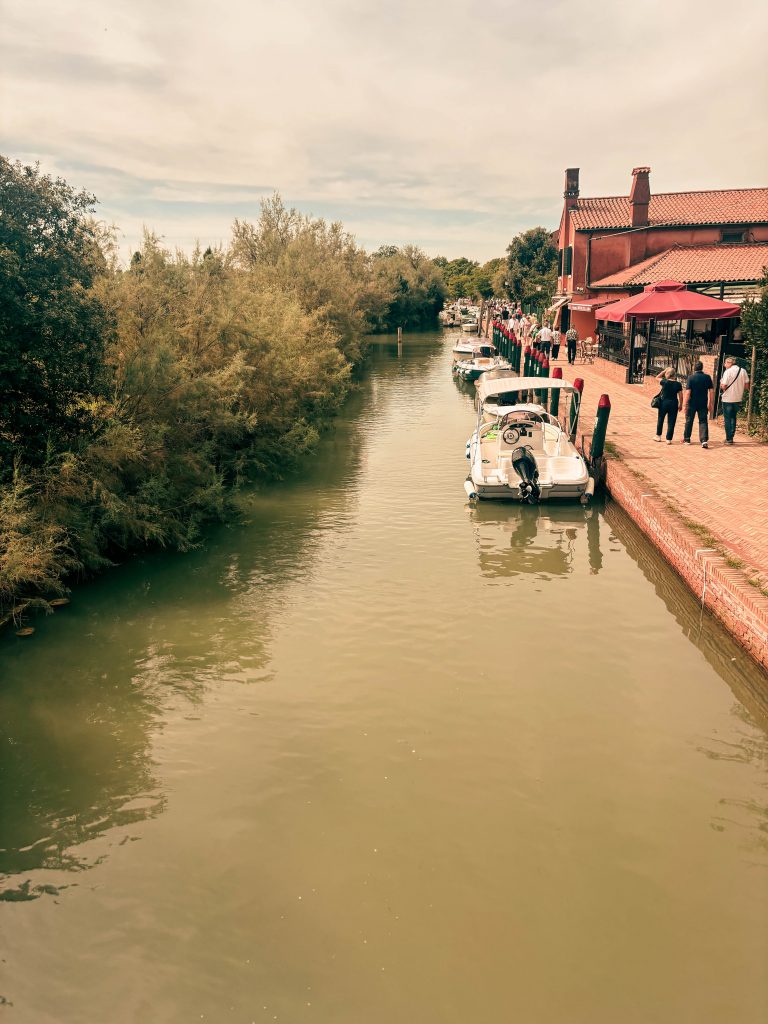
ACTV Vaporettos
Vaporettos are used to travel around the Venice canals between the outer islands (like Murano, Burano, and Torcello). You can purchase tickets online or at Venezia Unica offices, local shops or newsstands with the ACTV logo is displayed, or using tap-to-pay at the docks. You can purchase single-ride 75-minute tickets or day/multi-day passes (a better deal if you plan to use the ACTV system more than twice per day).
Note that travel to and from the Marco Polo Airport (Alilaguna) requires a separate ticket.
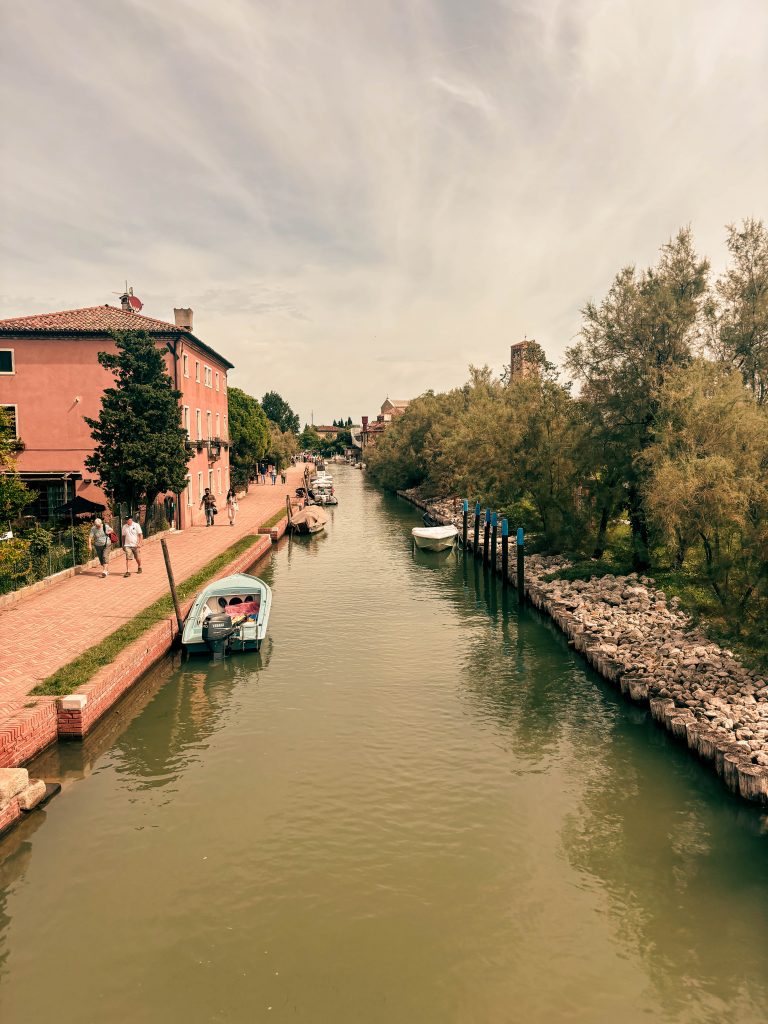
Private Transport
There are private water taxis as well as gondolas for hire in Venice. Water taxis within the city can be between 70 and 100 euros for a short trip, with additional fees often charge for late night service and extra luggage.
There are also the famous gondola rides. You can book a private, 30-minute ride for 90 euros (or 110 euros after 7pm), with additional charges for extra time. You can book these online or by walking up to any gondola station throughout the city.
Shared gonolas are also available through online tour operators for a lower price.
Alternatively, using the large traghetto to cross the Grand Canal is a way to experience a Venetian gondola ride without the hefty price tag.
Walking
Outside of traveling to the outer islands and the airport, I would argue that Venice is entirely walkable, as I believe you could walk from one end of the island to another in under an hour. It’s the main method of transport for most people in the city, and while your feet might ache by the end of your trip, I do recommend it as a way to see most of the city.
Survival Language
Below are some basic greetings and useful phrases in Italian. Most locals don’t expect foreign visitors to speak the language at all, but a little effort goes a long way and is always appreciated.
| English Phrase | Pronunciation |
|---|---|
| Hello | Ciao (informal) / Salve (formal) |
| Goodbye | Arrivederci / Ciao (informal) |
| Yes | Si |
| No | No |
| Thanks | Grazie |
| Please | Per favore |
| Excuse me | Mi scusi (formal) / Scusa (informal) |
| Can I have…? | Posso avere…? |
| The bill | Il conto |
| Where is the bathroom? | Dov’è il bagno? |
| How much is it? | Quanto costa? |
FAQs
When is the best time to visit Venice?
It really depends on what you’re hoping to get out of your trip to the Floating City. If there is a specific festival you’re hoping to see, and you’re able to tolerate large crowds, then go for it.
Otherwise, if you’re looking for best weather and manageable crowds, early spring and fall (between April-June and September-October) are best. I went in September and found that the weather was perfect.
How much cash should I carry, and can I use cards?
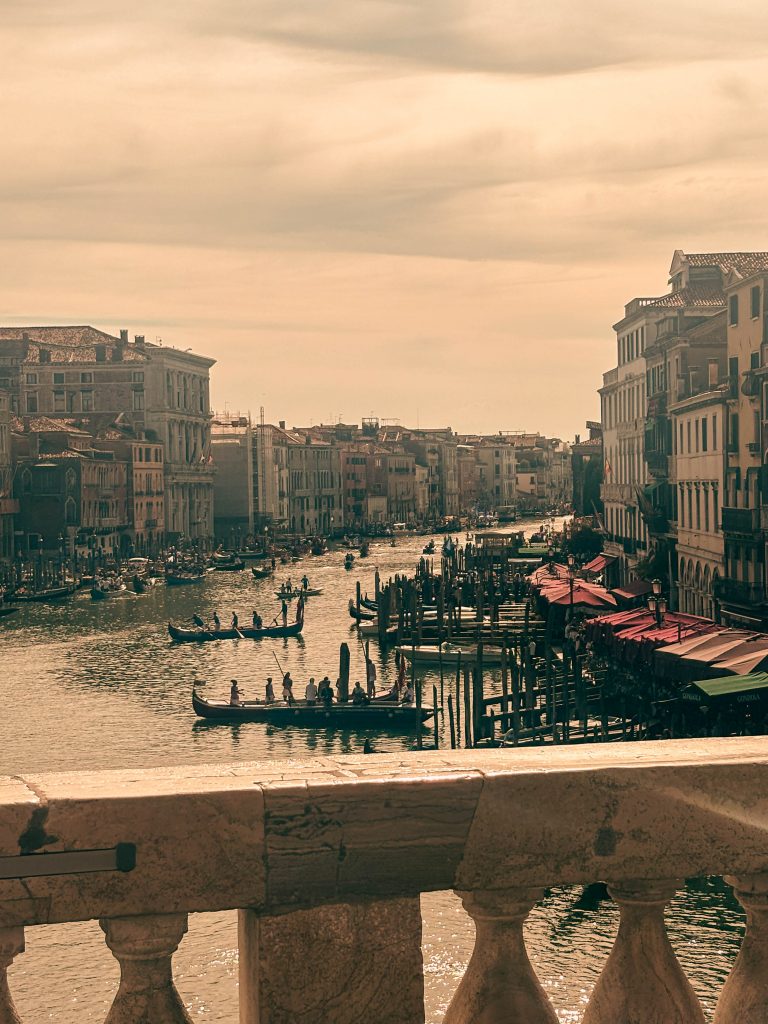
Aside from small street vendors and boarding traghetti (which costs 2 euros, cash), I paid with a card my entire stay in Venice. So while it’s helpful to have a small amount of cash on you, you could easily stay in Venice without having any euros.
What’s the best way to get around Venice?
Frankly, walking. Aside from using a traghetto, walking is generally the fastest travel option in the city proper (unless you’re paying for private water taxis, and even then there are limitations).
Unfortunately, I would imagine people with mobility issues will have a difficult time traversing the city. It’s typically crowded, and the narrow alleyways and uneven streets make it challenging to maneuver with luggage, strollers, or any mobility aids.
What should I pack for Venice?
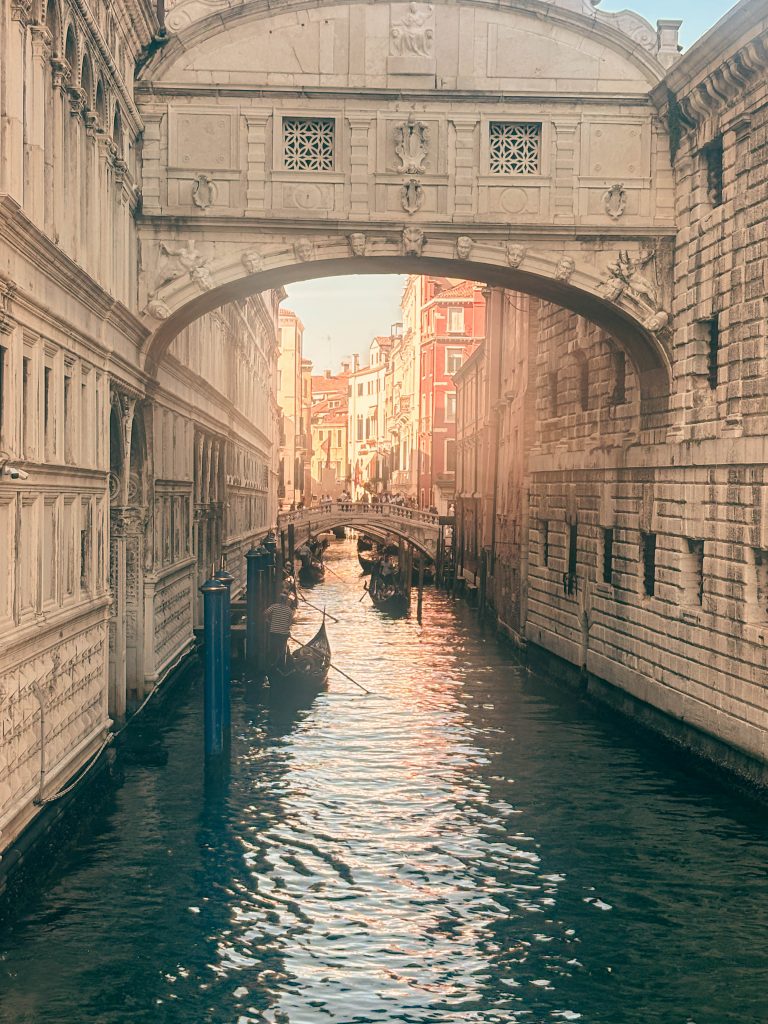
Bug spray. After-bite/anti-itch cream. Comfortable clothes and shoes (you will be walking a lot). Otherwise, I’d say whatever you normally bring for a trip is fine, just remember that whatever you bring, you might very well be carrying up and down the bridges and narrow alleys, so pack as light as you can.
Can I drink tap water in Venice?
Yes, the water is safe and clean, and in fact Venice has public drinking fountains all across the city. You can find a map of all of the available drinking fountains in the city on the Venice Tap Water website.
What souvenirs are unique to Venice?
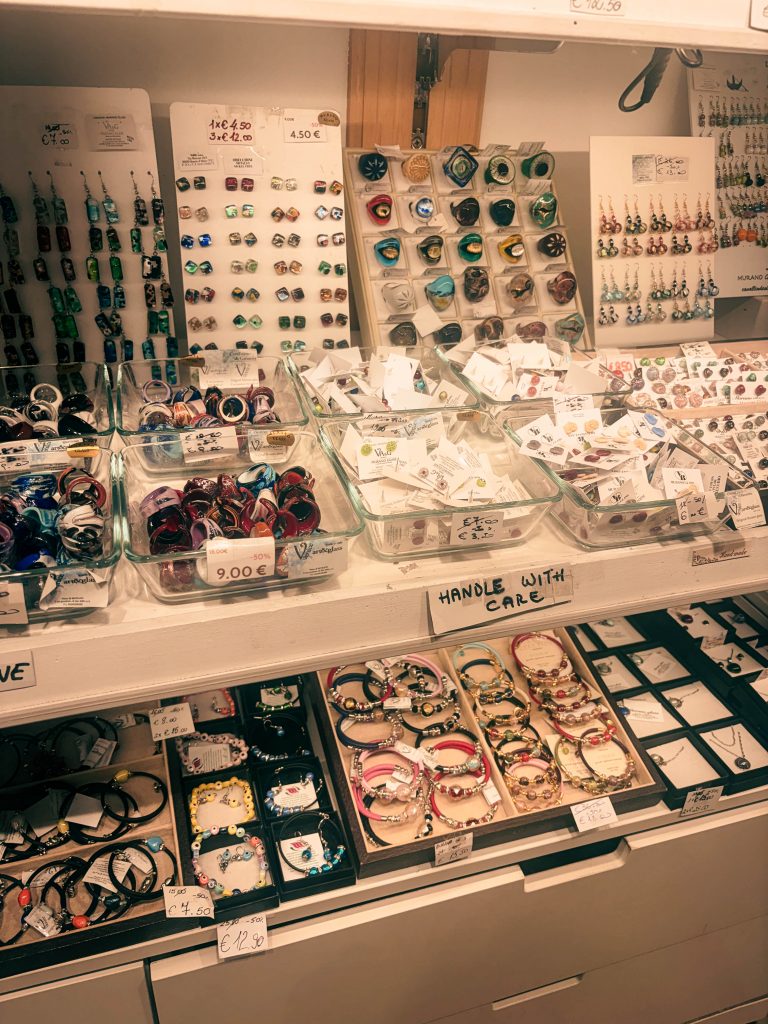
Murano glass, made on the nearby island of Murano, is a popular souvenir special to Venice (I have several jewelry pieces from the island). Burano lace is also a famous souvenir, special to the Burano island. Venetian masks are also a stunning and highly-coveted souvenir, but they can be harder to find among the many cheap imported masks sold in most gift shops.
Is tipping expected in restaurants or Cafes?
Tipping is not mandatory in either, although small tips (5-10% or rounding up your bill) is greatly appreciated. Note that many restaurants and cafes in Italy charge a service or table fee, which essentially covers your tip, so check your bill to see if it’s already included.